MRI diagnostics

MRI diagnostics hub: indications, preparation, contraindications, contrast safety, and how findings are interpreted.

MRI cholangiography: what does a bile duct examination show, when is it prescribed, and how is it better than invasive diagnostics?

Magnetic resonance cholangiography is a special type of magnetic resonance imaging (MRI) that is designed to provide detailed images of the liver, gallbladder, bile ducts, pancreas, and pancreatic duct.

MRI of the lungs and bronchi: what it shows, when it is prescribed, and how it differs from CT scanning

Magnetic resonance imaging of the lungs and bronchi has long been considered a method of limited value for the chest because lung tissue has few protons, the signal attenuates quickly, and respiratory and cardiac movements create artifacts.

Renal MRI: What does the test show, when is it prescribed, and is contrast magnetic resonance imaging necessary?

Renal magnetic resonance imaging is a noninvasive test that produces detailed images of kidney tissue, blood vessels, and surrounding structures without the use of X-rays.

MRI under anesthesia: when is it needed, how is it performed, and how safe is it?

In everyday speech, the expression "magnetic resonance imaging under anesthesia" is often used very broadly, but in medical practice it can conceal variants that vary in depth and risk.

MRI of the patella: what it shows, when it's needed, and how to prepare

From a clinical perspective, "patellar magnetic resonance imaging" almost always does not mean an isolated examination of the kneecap alone, but rather an MRI of the knee joint with a targeted assessment of the patellofemoral region, i.e., the patella, femoral trochlea, articular cartilage, retaining ligaments, tendons, and bone marrow.

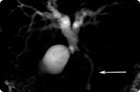
MRI of the intestines: indications, preparation, capabilities, and interpretation

When people talk about “magnetic resonance imaging of the intestine,” this name actually covers a variety of different tests.

MRI of the brain without contrast: indications, preparation, and capabilities of the method

Magnetic resonance imaging of the brain without contrast is a layered imaging technique that produces images using a powerful magnetic field, radio waves, and computer signal processing.

MRI of the hand: what the test shows, when it is prescribed, and how to prepare

Magnetic resonance imaging of the hand is a layered imaging technique that is particularly good at showing soft tissues, joint structures, bone marrow, and small anatomical elements that are difficult to see on conventional radiography.

MRI of the gallbladder: indications, preparation, capabilities, and interpretation

MRI, magnetic resonance imaging, of the gallbladder is a non-invasive examination that produces detailed images of the gallbladder itself, bile ducts, liver, and adjacent structures without the need for instruments to penetrate the bile ducts.

MRI of the lower extremities: what it shows, when it's needed, and how to prepare

Magnetic resonance imaging is a noninvasive imaging technique that uses a strong magnetic field, radiofrequency pulses, and computer signal processing to create layer-by-layer images of tissue.

Pages