Treatment of diabetes

Treatment Diabetes: clear overview, key topics, and practical navigation to related guides.

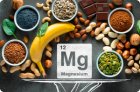
Magnesium for diabetes: is it necessary, how to take it, and when is it dangerous?

Magnesium is not a “fancy supplement”, but one of the body’s key minerals.

Vitamins for diabetes: who benefits, and for whom they only add unnecessary costs

Diabetes mellitus remains one of the most common chronic diseases in the world, with type 2 diabetes accounting for more than 95% of cases.

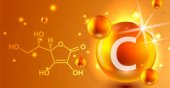
Ascorbic acid for diabetes: benefits, dosage, risks, evidence

Ascorbic acid is of particular interest for obvious reasons. It's not an exotic supplement, but a vital water-soluble vitamin that plays a role in collagen synthesis, antioxidant function, protein metabolism, and the formation of carnitine and certain neurotransmitters.

Succinic acid for diabetes: does it help, risks, and evidence

Modern clinical standards do not consider succinic acid as a standard treatment for diabetes.

Nicotinic acid for diabetes: benefits, risks, and place in modern therapy

Nicotinic acid is a form of vitamin B3. The body requires vitamin B3 in normal dietary amounts, and for adults, the recommended intake levels are 16 milligrams of niacin equivalents per day for men and 14 milligrams for women; the requirement is higher during pregnancy.

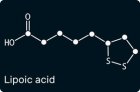
Thioctic acid in diabetes: efficacy, safety, and place in the treatment of diabetic polyneuropathy

Thioctic acid, also known as alpha-lipoic acid, has long been discussed in diabetology, but almost always in one specific context: not as a primary treatment for diabetes itself, but as a possible adjunctive therapy for diabetic polyneuropathy.

Types of insulin for diabetes: a detailed overview of modern types, differences, modes of administration, and choice of therapy

Insulin remains the mainstay of treatment for type 1 diabetes and an important part of therapy for type 2 diabetes, when the body's own secretion of the hormone no longer covers the body's needs or when a rapid and reliable reduction in glucose levels is required.

Herbs for Type 1 and Type 2 Diabetes: What to Use

Many diabetics use herbs for their diabetes. They are used both as medicines to alleviate the condition and as sugar substitutes and dietary supplements.

Metformin for diabetes: types 1 and 2, how it is used

Metformin is a frequently prescribed medication for diabetes. It can be taken either alone or as part of a comprehensive treatment plan. It primarily aims to normalize metabolic processes and stabilize and harmonize hormonal levels.

Trophic ulcers in diabetes: treatment and wound care

General treatment involves medications that improve blood rheology, as well as antispasmodics. Alprostadil significantly improves microcirculation, especially when used in combination with lipoic acid and Mydocalm.

Pages