Neck, throat, mouth

Review common neck throat mouth symptoms, what they can mean, urgent warning signs, and which tests may be used.

Why does my throat feel sore and dry after a long conversation?

If after a long conversation you experience a sore throat, dryness, a feeling of being "rubbed," or a constant urge to cough, the cause is most often related to vocal strain, dry mucous membranes, and tension in the laryngeal muscles.

Why does dry mouth occur at night and what to do about it?

Dry mouth at night most often occurs because natural saliva production decreases during sleep, and breathing through the mouth further accelerates the drying out of the mucous membrane.

Why does my neck get stiff while using a computer and what can I do about it?

Neck stiffness at the computer is most often caused by a combination of prolonged immobility, static muscle activity, and the position of the head relative to the screen. While staring at a monitor, the muscles of the neck and shoulder girdle hold the head in virtually the same position for hours.

Why do you feel thirsty after sleep and when is it not normal?

Mild thirst or dry mouth after a night's sleep usually doesn't indicate illness. A person may not drink for several hours, but they continue to lose water through breathing, through the skin, and in urine.

Why is my mouth dry in the morning? Causes after sleep and what to do.

Dry mouth upon waking is most often associated not with a salivary gland disorder, but with sleep patterns. During sleep, saliva production naturally decreases sharply, and if a person breathes through the mouth due to nasal congestion, snoring, or sleeping with their mouth open, the mucous membrane dries out even more.

Why do people constantly yawn? Causes of frequent yawning.

Constant yawning is most often associated with drowsiness, sleep deprivation, or poor sleep quality, rather than oxygen deprivation. If a person sleeps less than usual for several days, works at night, wakes up frequently, or has a condition that disrupts sleep structure, the brain remains in states of decreased alertness for longer, which makes yawning more frequent.

Burning Mouth: Causes, Diagnosis, Treatment, and When to See a Doctor

A burning sensation in the mouth is a sensation of burning, tingling, stinging, or painful heat on the tongue, lips, roof of the mouth, gums, inner cheeks, or several areas of the mouth at once. Sometimes a person describes it as "like burning their tongue with hot tea," even though there is no visible wound, ulcer, or burn upon examination.


Trismus: Causes, Symptoms, Diagnosis, Treatment, and Prevention

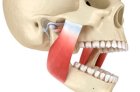
Trismus is a limitation of mouth opening that has historically been associated primarily with tetanus, but in modern medicine the term is used much more broadly.

Tongue Muscle Atrophy: Causes, Symptoms, Diagnosis, and Treatment

Tongue muscle atrophy is a decrease in the volume, strength, and mobility of the tongue due to loss of muscle tissue or a prolonged denervation process in which the muscle loses normal nerve stimulation.

Swollen Cervical Lymph Nodes: Causes, Diagnosis, and Treatment

Enlarged cervical lymph nodes, or cervical lymphadenopathy, is not an independent disease, but a clinical sign.

Pages