
Medical expert of the article

New publications
Diet for hemorrhoids: foods that relieve symptoms
Last updated: 27.10.2025

All iLive content is medically reviewed or fact checked to ensure as much factual accuracy as possible.
We have strict sourcing guidelines and only link to reputable media sites, academic research institutions and, whenever possible, medically peer reviewed studies. Note that the numbers in parentheses ([1], [2], etc.) are clickable links to these studies.
If you feel that any of our content is inaccurate, out-of-date, or otherwise questionable, please select it and press Ctrl + Enter.
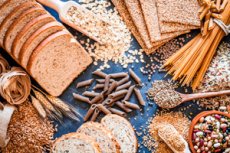
The main goal of nutrition for hemorrhoids is to achieve soft, formed stools without straining. When stools are sufficiently voluminous and elastic, the anal mucosa is less traumatized, pressure on the hemorrhoidal pads is reduced, and episodes of scarlet blood "on paper" become less frequent. This is why professional guides begin treatment with a discussion of diet, fiber, water, and toilet habits, and only then move on to "procedures." [1]
The American Society of Colorectal Surgeons (ASCRS) emphasizes: adjusting diet and bowel habits is the foundation of conservative therapy for hemorrhoids. If bleeding persists, despite an "ideal" baseline, the next step is in-office procedures (latex ring ligation, infrared coagulation, sclerotherapy). But even when procedures are necessary, nutrition remains a support system that reduces the risk of exacerbations and improves healing. [2]
In practice, the problem isn't a lack of "superfoods," but a chronic fiber deficiency: the average adult gets about half the recommended amount. National dietary guidelines provide a simple guideline: at least 14 grams of dietary fiber for every 1,000 kilocalories (that's about 28 grams per day for a 2,000-kilocalorie diet). It's important to increase fiber gradually and drink plenty of fluids. [3]
Another practical point: soluble fiber and polyethylene glycol (PEG) have been studied most extensively in the treatment of constipation, which often accompanies hemorrhoids. The joint AGA/ACG 2023 guideline recommends PEG as a first-line treatment for chronic constipation, with fiber supplements as a beneficial, but gentler, option. These findings are also directly relevant for managing hemorrhoid symptoms, as stool quality determines mucosal trauma. [4]
Table 1. Nutritional goals for hemorrhoids - briefly
| Target | Why is this important? | How to achieve |
|---|---|---|
| Soft decorated chair | Less friction and straining | 28-35 g fiber/day + water, PEG for constipation. [5] |
| Fecal volume | "Unloads" the pillows, reduces pressure | Soluble fiber (psyllium, oats) |
| Regularity | Prevents the build-up of hard stool | Daily routine, response to urge, activity |
| Minimum irritants | Less itching/maceration of the skin | Be careful with alcohol, very spicy food, and coffee in excess. |
How Diet Affects the Pathophysiology of Hemorrhoids
Hemorrhoidal "cushions" are a normal part of the anal canal. They help retain gas and loose stools. The problem begins when they are chronically pressed by prolonged bowel movements, straining, and hard, dry stools. Repeated microtrauma and venous congestion lead to enlargement and displacement of the hemorrhoidal cushions, and the thin mucosa bleeds easily. Therefore, a diet that promotes bulky, flexible stools essentially counteracts the cause of the symptoms. [6]
Soluble fiber (psyllium, oat beta-glucans, pectin) absorbs water and turns into a gel, making stool soft. Insoluble fiber (wheat, bran, vegetable peels) increases the bulk of the stool and speeds transit. The balance of both fractions is ideal: more soluble for softness, enough insoluble for bulk. Water is necessary for the fiber to really "work": without it, fiber can "bind" water and, conversely, worsen constipation. [7]
When basic measures fail to achieve regular bowel movements, PEG (an osmotic laxative) can be added to the diet. It retains water within the intestinal lumen and improves stool frequency and consistency, and demonstrates a more consistent effect compared to alternatives (such as lactulose). It's not a "hemorrhoid pill," but a tool for achieving the desired consistency—and thus, reducing bleeding. [8]
Finally, phlebotonics (flavonoids) aren't about consistency, but can moderately reduce bleeding and discomfort as an addition to the base regimen. A Cochrane review notes benefits during both exacerbations and post-operatively. They aren't a direct replacement for dietary changes, but they are sometimes useful during the "transition period" while you refine your diet and routine. [9]
Table 2. Fibers: What and How They Do
| Type of fiber | Sources | What does it give? | Comments |
|---|---|---|---|
| Soluble | Psyllium, oats, legumes, flax seeds | Softness, gelation | Excellent tolerance with gradual increase |
| Insoluble | Bran, cabbage, whole wheat | Volume, acceleration of transit | In its pure form without water it can be “rough” |
| Mixture | Most vegetables/fruits | Balance of effects | Ideal - variety |
How much fiber and water do you need in practice?
The easiest way to get a good idea of what fiber to eat is by following the NIDDK formula: 14 grams of fiber per 1,000 calories. For most adults, that's 28-35 grams per day. If you're currently eating about 15 grams (typical), add 3-5 grams per day every 3-4 days to avoid gas. Try to meet your needs with food (whole grains, legumes, vegetables, fruits) and supplements (psyllium) only when needed. [10]
Water is the second pillar. There's no hard and fast "8 glasses for everyone" rule, but a simple rule: every additional fiber intake = 1 more glass of water that day, plus 1-2 glasses during hot weather and activity. Too little fluid with high fiber intake is a common cause of hard stools, "stones," and skin maceration, which directly worsens hemorrhoids. ASCRS patient guidelines also emphasize the importance of adequate fluid intake. [11]
Keep track of your target – Bristol stool scale type 3-4 (cracked sausage or smooth, soft sausage). Types 1-2 – "sheepish" or lumpy – indicate constipation; types 6-7 – too loose. This scale is surprisingly practical: record your stool type and link it to your menu – you'll quickly see what really works for you. [12]
Fiber supplements: If food isn't an option, psyllium (a mixture of soluble and slightly insoluble fractions) is often the first choice. It's gentler on the brain than wheat bran and less likely to cause bloating. Start with 1 teaspoon per day, increasing every 3-4 days to a tolerable dose (usually 1-2 tablespoons). Always add water. [13]
Table 3. How much fiber is in a serving - mini-guide
| Product (standard serving) | Fiber, g |
|---|---|
| Oat flakes 60 g (dry) | 6-7 |
| Whole grain bread, 2 slices | 6 |
| Boiled lentils 150 g | 7-8 |
| Boiled chickpeas/beans 150 g | 8-10 |
| 1 apple with peel | 3-4 |
| 1 pear | 5-6 |
| Chia seeds 1 tbsp. l. | 4-5 |
| Psyllium 1 tbsp. | 5-6 |
Supporting Products: What to Include Every Day
The base is whole grains: oatmeal, pearl barley, quinoa, brown rice, whole-grain bread and pasta. They provide long-lasting carbohydrates plus a combination of fiber. Start by replacing half your grain intake with whole grains – this alone adds 5-10 grams of fiber per day. Additionally, include legumes 3-5 times a week: soups, hummus, stews, salads. [14]
Vegetables and fruits – at least 400-500 g per day; combine softer ones (pumpkin, zucchini) with coarser ones (carrots, cabbage), focusing on tolerance. The peel is a source of insoluble fiber, so if possible, eat them with the peel, after washing them thoroughly. If you experience bloating, temporarily reduce your insoluble fiber intake and increase your soluble fiber intake. [15]
Seeds and nuts add both fiber and healthy fats: chia, flax, almonds, and hazelnuts. Flax can be ground and added to porridge and yogurt. Fermented milk products (sugar-free yogurt, kefir) support the microbiome and often improve fiber tolerance. Replace sweets with fruits and dried fruits (apricots, figs) – but be mindful of the dose to avoid overdosing on diarrhea.
If you have low tolerance for legumes and whole grains, try culinary techniques such as soaking, simmering, smaller portions, and fermented foods (tempeh, miso). This reduces the amount of fermentable sugars (FODMAPs) and reduces gas.
Table 4. Example of a “pillow day”
| Meal | Example |
|---|---|
| Breakfast | Oatmeal with water, berries, and a spoonful of chia seeds; a glass of water |
| Snack | Pear; a handful of almonds; a glass of water |
| Dinner | Lentil soup, quinoa and vegetable salad, whole grain bread; water |
| Afternoon snack | Natural yogurt + a spoon of ground flaxseed |
| Dinner | Salmon/tofu + buckwheat + stewed vegetables; water |
What to restrict and when: not "prohibitions," but common sense
Alcohol and high-proof drinks increase dehydration and can trigger diarrhea/constipation and itchy skin—a classic irritant to the perianal area. Very spicy foods, excess coffee, and chocolate can increase the urge to urinate and itching in some people. If you notice a connection, reduce your intake for a couple of weeks and notice the difference. These aren't strict restrictions, but rather a personal "elimination trial."
Low-fiber "white" grains (white bread/rice, baked goods) and highly processed sweets add almost no bulk to stool and displace healthy foods. Limit them to occasional consumption. Sugary sodas and "sugar" juices are a common cause of diarrhea and skin maceration, which worsens itching.
Be careful with excessive doses of bran "from scratch": without adequate water, it can increase bloating and stool hardness. It's better to start with soluble fiber (psyllium, oats) and gradually mix in insoluble fiber.
If you have frequent loose stools (for example, due to irritable bowel syndrome), the logic is different: temporarily reduce coarse insoluble fiber (peeled grains, bran), while maintaining a moderate amount of soluble fiber (oats, bananas, carrots) – this will "glue" the stool together and reduce maceration. Then return to your usual balance.
Table 5. “If… then…” – adjusting the diet to the stool
| Situation | What to do |
|---|---|
| Type 1-2 (very hard) | + Soluble fiber (psyllium), + water, consider PEG according to AGA/ACG. [16] |
| Type 6-7 (too soft) | - Insoluble fiber, + oats/banana/rice, watch milk/sugars |
| Itching/maceration of the skin | - Alcohol/very spicy foods/excessive caffeine, + barrier care (outside of the dietary topic) |
| Bloating from legumes | Soaking, gradualism, fermented foods |
Dietary supplements and "hemorrhoid pills": When are they appropriate?
Phlebotonics (flavonoids) such as diosmin/hesperidin and others have been shown in reviews to moderately reduce pain, itching, and bleeding, as well as provide relief in the postoperative period. They are not a substitute for diet and bowel movement, but may be useful as an adjuvant for 2-4 weeks in cases of frequent bleeding. Choose standardized medications and evaluate the effect. [17]
Psyllium is the most "diet-friendly" supplement: it's essentially a soluble fiber concentrate. It's well-tolerated if you drink water and gradually increase the dose. Wheat bran is a viable option, but it more often causes gas and requires even more careful titration.
Polyethylene glycol (PEG) is a drug, not a "food," but is appropriate in the context of hemorrhoids when diet does not result in regular bowel movements. The AGA/ACG recommend PEG as a first-line treatment for chronic constipation; lactulose is a reasonable alternative if PEG is not appropriate. Discuss dosage with your doctor/pharmacist, especially if you have other medical conditions. [18]
"Detoxes," harsh enemas, and exotic supplements don't improve outcomes and can irritate the mucous membrane. For hemorrhoids, the primary "medication" is one that gently alters bowel movements; everything else is secondary.
Table 6. Supplements and preparations: a brief analysis
| Means | For what | Evidence base |
|---|---|---|
| Psyllium | Stool softness and volume | Yes (as part of constipation therapy) |
| Wheat bran | Volume, acceleration of transit | They work, but more often they cause gas formation. |
| PEG | Against constipation (priority) | Strong recommendation by AGA/ACG 2023. [19] |
| Lactulose | Alternative to PEG | Conditional recommendation AGA/ACG. [20] |
| Phlebotonics | Moderate ↓ blood/itching | Cochrane review 2022. [21] |
How to tell if your diet has worked: using the Bristol Diet Scale
Your main indicator is the Bristol Stool Chart. Types 3-4 are the target for therapy. Keep a short diary: date, stool type, what you ate, how much you drank, and whether there was blood or itching. Within 1-2 weeks, you'll see which foods and amounts of water are beneficial for you. This is more practical than any complicated formula. [22]
If, after 7-14 days of eating a diet with 28-35 g of fiber and adequate fluid intake, your stool remains type 1-2, discuss with your doctor the use of PEG: this is not a "last resort" but a first-line standard for chronic constipation. If blood recurs despite soft stool, this is a sign that it's time to discuss office-based methods, as the problem is not only with stool consistency but also with the condition of the internal cushions. [23]
For types 6-7, over the long term, review your diet: are you overindulging in fruit juices, sugary drinks, sweets, and artificial sweeteners? Temporarily shift the emphasis to "binding" foods (rice, bananas, oats) and reduce coarse insoluble fiber. [24]
Remember: nutrition is about habits, not a one-time salad. Reinforce patterns that work: one whole grain a day, legumes every other day, vegetables/fruits at every meal, and water at your table.
Table 7. Bristol scale and actions
| Bristol type | What is this | Action |
|---|---|---|
| 1-2 (very hard) | Constipation | + Psyllium/fiber food + water; consider PEG. [25] |
| 3-4 (ideal) | Soft decorated | Maintain diet/water |
| 5 (soft lumps) | Mild tendency to diarrhea | Slightly less roughage, more oats/banana |
| 6-7 (too soft) | Diarrhea | Antidiarrheal diet in brief; look for causes |
Special cases: pregnancy, lactation, office work, sports
Pregnancy. Focus on whole grains, vegetables/fruits, and legumes as tolerated. Drink more water, in small portions throughout the day. For constipation in pregnant women, PEG or lactulose is often chosen (subject to doctor's approval). Office work requires short bathroom breaks and exercise breaks. [26]
Breastfeeding. Same principle. Topical skin treatments and warm baths are compatible with breastfeeding; nutrition is the key. It's important to monitor whether specific legumes or cabbage-based foods trigger gas in your baby. If so, reduce the serving size rather than eliminating them completely.
Sedentary work. Add "movement rituals": 3-5 minutes every hour, water "at the table," salads and whole grains for lunch. Plan "bean days" without important meetings (to calmly test your tolerance).
Sports. During intense training, your water requirements increase. Be sure to adjust your drinking, especially if you're increasing your fiber intake. Before a long run, don't experiment with new servings of legumes and bran—test your tolerance beforehand.
Table 8. Quick settings for the situation
| Situation | What to add | What to avoid |
|---|---|---|
| Pregnancy | Oats/psyllium + water; PEG for constipation | Sharp "jumps" in fiber |
| Lactation | The same, fractionally; fermented milk | Experiments on the day of vaccinations/colic |
| Office | Breaks every 60 minutes; water on the table | "Long sessions" with a smartphone |
| Sport | + Water for each fiber intake | New coarse fibers before the start |
When nutrition is no substitute for treatment and you need to move on
If bleeding from internal nodes recurs within 1-2 weeks with soft stools (3-4 on the Bristol scale), this is not a dietary failure—that's what the anatomy "says." According to ASCRS, the treatment of choice in such cases is latex ring ligation (for grades I-II and part of III), with infrared coagulation and sclerotherapy being alternatives. Diet remains a background measure, which reduces recurrence after the procedure. [27]
See a doctor immediately if you experience heavy bleeding, clots, increasing weakness, signs of anemia, fever, and pain (suspected abscess), as well as unusual blood (dark, tarry) and any red flags. Nutrition is only supportive, not curative.
If the primary complaint is a "glass-like" pain during bowel movements and 1-2 hours afterward, an anal fissure is likely. In this case, a course of sphincterotropic ointments (nitrates/diltiazem/nifedipine) and behavioral measures are essential in addition to the diet. Fiber alone does not relieve sphincter spasms.
If you experience sharp lumps and severe pain at the anal margin, consider thrombosis of the external node: diet will not quickly relieve the pain; excision is sometimes indicated within the first 48-72 hours. Diet will help reduce the risk of recurrence.
FAQ - short answers
How much water should you drink when adding fiber? The calculation is simple: for every additional fiber, add a glass of water, plus another 1-2 in hot weather or during exercise. Follow the Bristol guidelines. [28]
Which is better for constipation: lactulose or PEG? The AGA/ACG 2023 guidelines strongly support PEG; lactulose is an alternative if PEG is not suitable. [29]
Do flavonoids help? They moderately reduce blood flow and symptoms as an adjunct to diet and regimen. In case of recurrent blood flow, in-office methods are more beneficial. [30]
Should I avoid spicy foods and coffee? Only if I see a connection with itching or diarrhea: do a two-week elimination trial, record the results, and then decide.
How long does it take to see results from the diet? Many notice a difference in 3-7 days, but a stable pattern develops within 2-4 weeks. If blood persists with soft stools, discuss ligation. [31]