
Medical expert of the article

New publications
Dry skin on feet: care, causes, and treatment of cracks
Last updated: 27.10.2025

All iLive content is medically reviewed or fact checked to ensure as much factual accuracy as possible.
We have strict sourcing guidelines and only link to reputable media sites, academic research institutions and, whenever possible, medically peer reviewed studies. Note that the numbers in parentheses ([1], [2], etc.) are clickable links to these studies.
If you feel that any of our content is inaccurate, out-of-date, or otherwise questionable, please select it and press Ctrl + Enter.
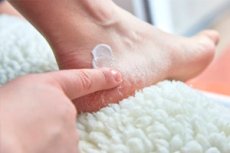
Dry skin on the feet, or xerosis, is a condition in which the stratum corneum loses water and lipids, disrupting the skin's barrier function. The surface becomes rough, and tightness, itching, cracking, and sometimes pain develop. Xerosis is especially common on the shins because they have few sebaceous glands, a thin stratum corneum, and significant fluctuations in temperature and humidity. [1]
It's important to distinguish between normal dry skin and conditions where xerosis is just the tip of the iceberg. Dry skin on the legs often occurs with atopic dermatitis, psoriasis, ichthyosis, diabetes, chronic venous insufficiency, and thyroid, kidney, and liver diseases. In older people, xerosis is more common and more severe due to age-related decline in the natural moisturizing factor and lipids in the stratum corneum. [2]
The key to managing dryness is regular basic care and the right choice of emollients. Scientific reviews and clinical guidelines emphasize that consistent use of emollients and moisturizers with proven ingredients can restore the barrier, reduce itching, and prevent cracked skin from becoming infected. The choice of texture and composition depends on the severity of symptoms, the season, and any associated medical conditions. [3]
Left untreated, dry skin increases the risk of eczematous inflammation, impetigo, and chronic cracks, especially on the shins and heels. Therefore, xerosis is considered not a "cosmetic trifle," but a medical problem requiring systematic home care and, if necessary, consultation with a dermatologist. [4]
Why does the skin on my feet become dry?
The first mechanism is water loss through a damaged barrier of the stratum corneum. The barrier is affected by cold or dry air, frequent hot baths, hard water, harsh detergents, and friction from clothing. The greater the transepidermal water loss, the more intense the tightness and itching. [5]
The second mechanism is a deficiency of natural moisturizing factor (NMF) and lipids, including ceramides, cholesterol, and free fatty acids. This is more common in older people and in atopic dermatitis, when levels of filaggrin and NMF components decrease. [6]
The third mechanism is comorbidities. Dry feet are often associated with diabetes, hypothyroidism, chronic kidney disease, liver disease, and chronic venous insufficiency, which causes congestion, inflammation, and eczema of the lower extremities. In ichthyosis and psoriasis, xerosis is part of the disease and requires a separate approach. [7]
The fourth mechanism involves medication and behavioral factors. Retinoids, some diuretics, and frequent use of alcohol-containing products increase xerosis. Long, hot baths and rough toweling also impair the barrier. [8]
Risk factors
Age-related factors include a natural decline in lipid synthesis and natural moisturizing factor after age 50. This makes the skin of the shins particularly vulnerable, even if a normal lifestyle is maintained. [9]
External factors include cold and low humidity, wind, temperature fluctuations, prolonged exposure to air conditioners and heaters, frequent hot baths, and contact with detergents. All of these accelerate water evaporation and wash out lipids. [10]
Medical risk factors include atopic dermatitis, ichthyosis, psoriasis, diabetes, thyroid disease, renal and hepatic failure, chronic venous insufficiency, as well as neuropathy and diabetic foot. In these conditions, dryness more quickly leads to cracks and infections. [11]
Behavioral factors include infrequent or irregular use of emollients, choosing inappropriate textures, harsh exfoliation and scrubbing, synthetic and rough clothing fabrics, and inadequate fluid intake in the absence of contraindications. Habit modification is a fundamental part of prevention. [12]
Pathogenesis: What happens to the skin barrier?
The stratum corneum consists of "building blocks" of corneocytes and a "cement" of lipids. When water and lipids are deficient, the "masonry" becomes loose, microcracks appear, allowing moisture to escape and irritants and microbes to penetrate more easily. This is how itching and inflammation occur. [13]
A decrease in the natural moisturizing factor and disruption of lipid organization increase transepidermal water loss. A lack of ceramides and cholesterol impairs barrier restoration after routine exercise, such as a shower. Therefore, lipid replenishment and moisture retention are the number one therapeutic goals. [14]
With prolonged xerosis, asteatotic eczema develops, especially on the shins: map-like cracks appear, itching increases, oozing occurs, and secondary infection occurs. At this stage, cosmetics alone are insufficient; treatment and inflammation control are required. [15]
If dryness is combined with diabetes or venous insufficiency, cracks heal more slowly, increasing the risk of cellulite and ulcers. Therefore, xerosis on the legs in such patients should be considered a risk factor for complications, not just a comfort issue. [16]
Symptoms and clinical signs
The typical symptoms include roughness, flaking, tightness, and itching. Whitish scales are often visible on the anterior surface of the shins, heels, and dorsum of the feet. With moderate xerosis, symptoms worsen after showering and in the evening. [17]
With severe xerosis, painful cracks appear on the heels and shins, petechial hemorrhages, and irritant erythema. Itching provokes scratching, which increases the risk of impetigo. In the elderly, the picture is more often one of asteatotic eczema. [18]
Subjectively, people experience crawling, tingling, burning, and pain from the cracks when walking. Severe dryness interferes with sleep and physical activity, reducing quality of life. [19]
The doctor pays attention to the localization, symmetry, presence of cracks, signs of venous congestion, edema, varicose veins, foot deformities and calluses, changes in the nails and interdigital spaces in order to exclude a fungal infection. [20]
When to see a doctor
If dryness doesn't resolve within 2-4 weeks with proper care, or if cracks, oozing, pustules, or increasing itching or pain appear, an in-person consultation is necessary. This could be asteatotic eczema or an underlying infection. [21]
Patients with diabetes, chronic venous insufficiency, thyroid, kidney and liver disease should seek treatment early and be monitored regularly, as the risk of complications and slow healing is higher.[22]
If there are signs of a fungal infection of the feet or nails, an unpleasant odor, or maceration of the interdigital folds, laboratory confirmation should be obtained and antifungal therapy prescribed. Self-medication can mask the symptoms and prolong the process. [23]
In cases of nocturnal itchy rashes, suspected atopic dermatitis, psoriasis or ichthyosis, a dermatological treatment plan is required, since an emollient regimen alone will not be sufficient. [24]
Diagnostics: what and how they check
During the appointment, a dermatological examination of the shins and feet is performed, assessing the degree of dryness, the presence of cracks, signs of eczema, venous congestion, and foot deformities. The doctor collects data on grooming habits, hygiene, water, detergents, medications, and lifestyle. [25]
If a fungal infection is suspected, a scraping is taken for microscopic examination and culture. In cases of severe inflammation and suspected allergy, skin testing and ruling out contact dermatitis from cosmetics and footwear components may be considered. [26]
If dryness is severe and prolonged, underlying medical conditions are assessed: blood glucose, glycated hemoglobin, thyroid function, liver and kidney function. If venous symptoms are present, an ultrasound examination of the veins may be necessary. [27]
Instrumental methods such as transepidermal water loss measurement and corneometry are used in research and specialized practice to evaluate the effectiveness of treatments and medications. In routine practice, clinical assessment and dynamic photographs are sufficient. [28]
Table 1. Common causes and triggers of dry skin on the feet
| Category | Examples |
|---|---|
| Climate | Cold, low humidity, wind |
| Everyday life | Hot baths, hard water, aggressive detergents |
| Diseases | Atopic dermatitis, ichthyosis, psoriasis, diabetes, hypothyroidism, chronic venous insufficiency |
| Behavior | Irregular care, rough peeling, synthetic clothing |
Treatment: evidence-based basic care and medications
The basis of therapy is daily emollients and moisturizers. The most studied are creams and ointments with urea (5% to 10%) for daily moisturizing and higher concentrations (up to 40%) for severe hyperkeratosis of the heels, as well as products with 12% ammonium lactate, glycerin, hyaluronic acid, and ceramides. Frequency is more important than brand: apply immediately after a shower and an additional 2-3 times a day as needed to relieve dryness. [29]
For cracked heels and coarse hyperkeratosis, creams containing 20-40% urea are applied locally in courses until healing occurs, then switching to maintenance treatments with 5-10% urea. In comparative studies, 40% urea cream was superior to 12% ammonium lactate in reducing roughness and cracking. For sensitive skin on the shins, softer textures are recommended. [30]
If itching and signs of eczema appear, short courses of anti-inflammatory therapy can quickly reduce the flare-up, after which emollient therapy can be resumed. At the same time, triggering factors are eliminated and skin care routines are adjusted. Long-term use of strong steroids without medical supervision is not recommended. [31]
In home care, non-pharmacological measures are important: warm rather than hot showers, mild cleansers without strong fragrances, blotting with a towel instead of rubbing, immediate application of cream to slightly damp skin, cotton clothing and socks, and humidification during the heating season. In the sun, use sunscreen and cover your skin. [32]
Table 2. Components of care products and their role
| Component | Role | Notes |
|---|---|---|
| Urea 5-10% | Humectant and mild keratolytic | For daily xerosis of the shins |
| Urea 20-40% | Pronounced keratolytic | Courses for heels and rough areas |
| Ammonium lactate 12% | Humectant and mild keratolytic | Effective for xerosis of the legs |
| Glycerin, hyaluronic acid | Water retention | Compatible with most circuits |
| Ceramides, cholesterol | Restoration of lipid "cement" | Useful for atopic dermatitis |
Table 3. Step-by-step algorithm for home care
| Step | What to do |
|---|---|
| Daily | Warm short shower, mild detergent |
| After the shower | Blot, apply cream or ointment within 3 minutes |
| During the day | Repeat application if dryness occurs. |
| On your heels | Cream with a higher concentration of urea in a course |
| Prevention | Humidifier, cotton socks, soft fabrics |
Table 4. What helps with itchy xerosis
| Situation | Measures |
|---|---|
| Mild itching | Moisturizer, creams with low concentration urea, glycerin |
| Moderate itching | A short course of anti-inflammatory topical therapy as prescribed by a doctor |
| Night itching | Thick ointment texture in the evening, cotton socks at night |
| Cracks | High concentration urea products as a course, then maintenance |
Table 5. Comparison of frequently prescribed medications for xerosis of the legs
| Parameter | Urea 10% | Ammonium lactate 12% | Urea 40% |
|---|---|---|---|
| Main effect | Moisturizing and gentle peeling | Moisturizing and gentle peeling | Pronounced keratolytic |
| Where to apply | Shins, dorsum of the foot | Shins, dorsum of the foot | Heels, rough areas |
| Performance data | Confirmed by clinical studies | Confirmed by clinical studies | More effective for cracked heels |
| Sensitivity | Good tolerability | A slight tingling effect may occur. | It may sting on cracks, so start carefully. |
Prevention and lifestyle
Try to keep the water temperature moderate and the duration of your hygiene procedures short. Use mild cleansers and apply cream within the first few minutes of contact with water to lock in moisture. This is the most effective and affordable method. [33]
During the heating season, a room humidifier and regular ventilation are helpful. Cotton clothing and socks reduce friction and irritation. Shoes should be comfortable and well-ventilated to prevent maceration and subsequent dryness. [34]
Avoid frequent use of harsh scrubs on your shins and heels. If exfoliation is necessary, choose creams with a controlled urea concentration and use them in courses. Regular gentle care is preferable to infrequent "harsh" treatments. [35]
For chronic diseases affecting the skin of the feet, prevention includes monitoring the underlying condition, choosing comfortable footwear, regular foot examinations, and early treatment of microtraumas and cracks. This is especially important for diabetes and venous insufficiency. [36]
Table 6. Selecting the texture of the product depending on the situation
| Situation | Texture |
|---|---|
| Slight dryness during the day | Lotion or light cream |
| Common xerosis of the shins | Medium density cream |
| Cold season and itching | Thick cream-ointment for the night |
| Cracked heels | Thick ointment plus a keratolytic course |
Frequently asked questions
Do "natural" oils work better than drugstore creams?
Not always. Oils create a film, but they don't contain the balanced blend of moisturizers and lipids needed to restore the barrier. Products containing urea, ammonium lactate, glycerin, and ceramides have a more robust evidence base. Combinations are possible, but the base should be proven emollients. [37]
How important is consistency?
It's key. Research and recommendations emphasize that consistent use of emollients is often more important than a specific brand. Apply immediately after showering and additionally whenever dryness occurs. [38]
When should you see a doctor and medication?
If you have itching, oozing, cracking, suspected eczema or a fungal infection, if xerosis doesn't resolve within 2-4 weeks of proper care, or if you have diabetes, venous insufficiency, thyroid disease, kidney disease, or liver disease, your doctor will add anti-inflammatory medication and adjust your care. [39]
What evidence supports urea and ammonium lactate?
There are clinical studies and reviews. Urea 10% moisturizes well, while 40% is more effective for coarse hyperkeratosis and cracks. Ammonium lactate 12% also reduces dryness, but for severe hyperkeratosis of the heels, high-concentration urea has shown superiority. [40]