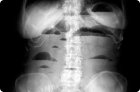
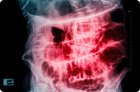
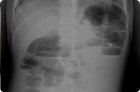
The treatment of intestinal obstruction begins not with the choice of "surgery or IVs," but with answering three questions: is there an obstruction, where is the blockage located, and are there any signs of a threat to the viability of the intestine.
Abdominal pain associated with intestinal obstruction is one of the main symptoms, but it cannot be assessed separately from vomiting, bloating, stool and gas retention, temperature, pulse, blood pressure, and imaging data.
Spastic intestinal obstruction is a rare and, in modern clinical practice, not the most accurate term that has historically been used to describe a functional disorder in which a section of the intestine suddenly contracts, is in a state of persistent spasm, and temporarily interferes with the passage of contents without a true mechanical obstruction.
Partial intestinal obstruction is a condition in which the lumen of the intestine is narrowed or partially blocked, but some gas, fluid, or intestinal contents can still pass below the obstruction.
A siphon enema is a type of lower intestinal lavage in which fluid is introduced and then expelled through the rectum using an alternating inflow and outflow principle.
Intestinal obstruction is not a single disease, but a syndrome in which intestinal contents are unable to move forward normally. The cause may lie within the intestinal lumen, in its wall, outside the intestine, or in a motility disorder without a physical obstruction.
Low bowel obstruction is a practical clinical term that typically describes a blockage of intestinal contents in the lower portions of the intestine: most commonly the colon, rectum, or distal small intestine.
High intestinal obstruction is a clinical term that usually describes an obstruction in the upper gastrointestinal tract: at the level of the duodenum, the first part of the jejunum, or another proximal part of the small intestine.
Intestinal obstruction in appendicitis is a rare but clinically important complication in which inflammation of the appendix impairs the movement of contents through the intestine.
Paralytic ileus, or paralytic ileus, is a functional disorder in which the intestine temporarily loses normal motor activity and stops moving its contents forward, although there is no physical obstruction in the intestinal lumen.