
Medical expert of the article

New publications
Gouty Arthritis: Diet and Attack Prevention
Last updated: 27.10.2025

All iLive content is medically reviewed or fact checked to ensure as much factual accuracy as possible.
We have strict sourcing guidelines and only link to reputable media sites, academic research institutions and, whenever possible, medically peer reviewed studies. Note that the numbers in parentheses ([1], [2], etc.) are clickable links to these studies.
If you feel that any of our content is inaccurate, out-of-date, or otherwise questionable, please select it and press Ctrl + Enter.
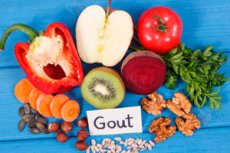
A gout diet helps reduce the frequency of flare-ups and maintains uric acid levels, but is rarely sufficient on its own for long-term disease control. Current clinical guidelines emphasize that most people require long-term treatment with urate-lowering medications to achieve target uric acid levels, with diet and lifestyle as important adjuncts rather than substitutes for medication. This is called the "treat to target" strategy. [1]
The key treatment goal is to achieve and maintain uric acid levels below 360 micromoles per liter (or below 300 micromoles per liter in cases of frequent attacks, tophi, and chronic arthritis). This will gradually dissolve the crystals, and flare-ups will become less frequent and eventually cease. Diet helps achieve this goal with smaller doses of medication and provides benefits for the heart and metabolism. [2]
Even the ideal "gout" diet doesn't eliminate the need for medications once a diagnosis has been established and recurring. Therefore, the plan is simple: medications to remove excess uric acid, and nutrition to avoid adding fuel to the fire and maintain overall health. This approach is reflected in the recommendations of the American College of Rheumatology and the British NICE Institute. [3]
The diet works best when combined with weight management, smoking cessation, exercise, and moderate alcohol and sugar consumption. Individual foods may slightly increase or decrease uric acid levels, but it's the overall dietary pattern that makes the difference. The Mediterranean and DASH eating patterns have been the most studied. [4]
Basic principles of nutrition for gout
Limit foods very high in purines (organ meats, game, some types of fish and seafood), as well as sugary drinks containing sucrose and fructose. These are the two most reliable dietary triggers for uric acid elevations and flare-ups, according to research. However, completely avoiding purines is neither possible nor necessary—it's more important to reduce the peaks in their intake. [5]
Shift your diet toward vegetables, fruits without added sugar, whole grains, legumes in moderation, nuts, olive oil, and low-fat dairy products. This "plant-based dairy" profile is associated with a reduced risk of gout and a modest reduction in uric acid, especially within the DASH and Mediterranean dietary patterns. [6]
Watch your protein intake: low-purine fish, skinless chicken, eggs, tofu, and other soy products are preferred, as are dairy products as primary sources. Randomized and observational data suggest a protective effect of low-fat dairy; some studies have even examined peptide-enriched skim milk for its reduced flare-up rate. [7]
Avoid starving yourself or cutting too much: Strict low-calorie or ketogenic diets and long periods without eating can temporarily increase uric acid levels. The strategy is slow weight loss and a consistent eating schedule. This is beneficial for joints, metabolism, and blood pressure. [8]
What to eat: basic "helpers" against gout
The DASH diet (high in vegetables, fruits, whole grains, legumes, low-fat dairy, and moderate amounts of fish and poultry) modestly reduced uric acid in a randomized trial, especially in people with preexisting hyperuricemia. It's not a cure, but it has made a consistently positive impact. [9]
Low-fat dairy products—yogurt, kefir, cottage cheese, and milk—are associated with a lower risk of flare-ups; in a small randomized trial, fortified skim milk reduced attack frequency more than the control. It's an affordable and safe part of the diet for most people. [10]
Coffee has been associated with a lower risk of gout in large cohort studies (the effect was also noted for decaffeinated coffee). If coffee is healthy for you, you can drink it in moderation, avoiding sweet syrups and sugar. [11]
Cherries and cherry products: An epidemiological study found that taking cherries or cherry extract was associated with an approximately 35 percent reduction in the risk of attacks within the next two days, especially when taking allopurinol. This is an observational association, but it is consistent with patient experience. [12]
What to avoid or limit as much as possible
Alcohol. Even small amounts increase the risk of an imminent attack; beer and spirits are the worst options. During an exacerbation, alcohol is completely eliminated; during remission, it is limited to a minimum if possible. [13]
Sweetened beverages containing sucrose or fructose (including "natural" juices). Regular consumption of these beverages is consistently associated with hyperuricemia and an increased risk of gout. Sugar-free diet drinks do not show this effect. Water is the best choice. [14]
Highly purine-rich foods include liver and other organ meats, game, anchovies, sardines, herring, mackerel, caviar, mussels, and some other shellfish. These foods should be reserved for rare occasions or avoided, especially if you experience frequent flare-ups. [15]
The cornerstone is portions and frequency. One or two "imperfect" meals a week, within an overall healthy diet, are usually safer than constant "minor" indiscretions every day. Keep a food diary and note personal triggers. [16]
Protein, Legumes, and Vegetables with Purines: Where is the Line?
Legumes, spinach, cauliflower, and other plant-based sources of purines are not associated with the same increased risk of gout as animal sources. They can be included in the diet, depending on how you feel, your overall calorie intake, and your protein balance. This conclusion is reflected in educational materials from leading rheumatology organizations. [17]
Soy products and tofu are good alternatives to animal protein for gout. They are rich in protein but don't raise uric acid levels as much as red meat and organ meats. Introduce them gradually, monitoring your tolerance. [18]
Vegetables and fruits are generally the basis of the diet; caution is needed only with fruit juices and large quantities of very sweet fruits due to the fructose. Whole fruits in reasonable portions are easily incorporated and provide fiber, potassium, and vitamin C. [19]
If a particular vegetable or legume subjectively causes you discomfort, note it in your diary and discuss it with your doctor or nutritionist - individual reactions are possible, but the general rules remain the same: more plants, less sugars and "purine peaks." [20]
Weight, physical activity and uric acid
Gradual weight loss in obese individuals helps reduce uric acid levels and the frequency of attacks. Systematic reviews and clinical studies show that weight loss reduces insulin resistance and can improve renal urate excretion. The key is to avoid drastic diets. [21]
Even moderate weight loss, plus regular walking, bodyweight strength training, and endurance training, improve metabolic rates and cardiovascular risk, while gout often coexists with hypertension, diabetes, and dyslipidemia. The DASH diet is convenient: it also comes in a "reduced calorie" version. [22]
Randomized data on "strict" weight loss programs and uric acid levels are mixed, but the overall trend is positive for sustained rather than extreme changes. If you're taking urate-lowering therapy, weight loss helps you reach your target level more often with smaller doses. [23]
Avoid dry fasts and long periods without food, as they can trigger a short-term increase in uric acid and exacerbations. A regular diet and balanced meals with sufficient protein and fiber are better. [24]
Beverages, coffee, vitamin C and "natural supplements"
Water is the best everyday choice. Stay well hydrated, especially in hot weather, during physical activity, and while taking diuretics. This reduces the risk of urate crystallization and supports kidney function. [25]
Coffee (no sugar added) is acceptable and may be moderately protective against gout risk, based on large cohorts; tea is neutral. If coffee is contraindicated due to blood pressure, arrhythmia, or stomach problems, it's not for the sake of "gout," but for general medical reasons. [26]
Vitamin C supplements have a very small, clinically modest effect on uric acid, so they are not considered a treatment for gout. It is better to get vitamin C from regular foods—vegetables and fruits. [27]
Cherries and concentrates are a positive option, but not a panacea: an association with a lower risk of an imminent attack was shown in an observational study, while randomized evidence is limited. If you like them and there are no contraindications, you can include them. [28]
Special situations: medications, kidneys, blood pressure, diuretics
If you're taking diuretics, cyclosporine, low-dose aspirin, or other medications that affect urate, discuss your options with your doctor. Sometimes, adjusting your medication can reduce the frequency of attacks as significantly as diet. However, any changes should only be discussed with your doctor. [29]
In chronic kidney disease, nutrition is especially important: control salt intake, limit sugar and alcohol, and maintain protein levels at the level agreed upon with a nephrologist or nutritionist. Urate-lowering therapy is selected based on kidney function. [30]
For hypertension, the DASH diet is an excellent support—it simultaneously lowers blood pressure and moderately reduces uric acid. This way, you achieve two goals in one fell swoop. [31]
Remember: with established gout, the goal is not "diet instead of medication," but "diet plus treatment, to achieve target uric acid levels." This is directly related to a reduction in attacks and regression of tophi. [32]
Table 1. What to eat more often (helps)
| Group | Examples | Explanation |
|---|---|---|
| Vegetables, fruits | Any juices except sweetened ones | Dietary base, fiber, potassium. [33] |
| Whole grains and legumes | Buckwheat, oats, lentils, chickpeas | Plant protein and fiber; "plant" purines are not as critical. [34] |
| Low-fat dairy | Yogurt, kefir, cottage cheese, milk | Associated with a lower risk of exacerbations. [35] |
| Healthy fats | Olive oil, nuts | Fits into the DASH/Mediterranean model. [36] |
| Coffee without sugar | Filter/espresso | Associated with a lower risk of gout.[37] |
Table 2. What to avoid and strictly limit
| Group | Examples | Why |
|---|---|---|
| Alcohol (especially beer and spirits) | Beer, whiskey, vodka | Increases the risk of an attack; exclude during exacerbation. [38] |
| Sweet drinks | Lemonades, energy drinks, juices with sugar | Fructose increases the risk of gout. [39] |
| Highly purine foods | Liver, kidneys, game, anchovies, sardines, mussels | Gives spikes of urate and provokes attacks. [40] |
Table 3. Drinks for gout
| Drink | "Green light" | Comment |
|---|---|---|
| Water | Yes | Hydration base. [41] |
| Coffee without sugar | Yes, if there are no contraindications | Association with reduced risk.[42] |
| Tea | Neutral | Yes, without sugar. [43] |
| Alcohol | No during an attack; maximum - rare small doses | Beer and strong drinks are unfavorable. [44] |
| Sweet drinks/juices | If possible, exclude | Fructose increases urate. [45] |
Table 4. "Gouty" plate for the day (example)
| Meal | Sample portions | Why does this work? |
|---|---|---|
| Breakfast | Oatmeal with skim milk + berries; coffee without sugar | Whole grains + dairy "support" urate. [46] |
| Dinner | A bowl of salad + lentil soup + a slice of whole grain bread | Plant protein and fiber, low in purines from animal sources. [47] |
| Snack | Yogurt 1.5% + a handful of nuts | Low-fat dairy and healthy fats. [48] |
| Dinner | Baked chicken breast/tofu + bulgur + steamed vegetables; water | Moderate animal/soy protein, low sugars. [49] |
| As desired | A small portion of cherries/cherry concentrate | Acceptable supplement; not a substitute for treatment. [50] |
A short checklist
- If gout has already been diagnosed, discuss urate-lowering therapy and target uric acid levels with your doctor; diet is a supplement. [51]
- Daily: Water, vegetables, whole grains, low-fat dairy; avoid sugary drinks and frequent alcohol. [52]
- Limit organ meats, game, anchovies/sardines/mussels; choose chicken, white fish, eggs, tofu, and legumes. [53]
- Lose weight gradually, without starving yourself; focus on sustainable habits and the DASH/Mediterranean model. [54]