
Medical expert of the article

New publications
Allergy to household chemicals: symptoms, causes, diagnosis and treatment of contact dermatitis
Last updated: 01.05.2026

All iLive content is medically reviewed or fact checked to ensure as much factual accuracy as possible.
We have strict sourcing guidelines and only link to reputable media sites, academic research institutions and, whenever possible, medically peer reviewed studies. Note that the numbers in parentheses ([1], [2], etc.) are clickable links to these studies.
If you feel that any of our content is inaccurate, out-of-date, or otherwise questionable, please select it and press Ctrl + Enter.
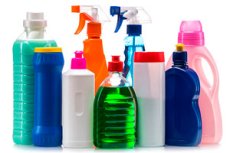
The term "allergy to household chemicals" typically refers to more than one illness, but several different reactions to detergents, cleaning products, disinfectants, laundry detergents, and fragrances. The most common form is irritant contact dermatitis, in which the skin is directly damaged by soap, detergents, solvents, acids, alkalis, frequent contact with water, and friction. Allergic contact dermatitis is less common but has a different nature: the immune system has already "remembered" a specific substance, so repeated contact triggers a delayed-type inflammatory reaction. [1]
It's important to distinguish between allergies and irritations, as treatment and prevention will differ. With irritant dermatitis, reducing contact with the aggressive product, restoring the skin barrier, and protecting your hands are crucial. With allergic dermatitis, the key step is to identify the specific allergen and eliminate it, as even minor repeated exposure can trigger inflammation again. [2]
Household chemicals can cause more than just skin symptoms. Aerosol sprays, disinfectants, bleaches, ammonia, acids, alkaline agents, and quaternary ammonium compounds can irritate the mucous membranes of the eyes, nose, throat, and bronchi. In people with asthma or hypersensitive airways, such substances can trigger coughing, wheezing, shortness of breath, and worsening asthma control. [3]
The term "hypoallergenic" on packaging does not mean it is completely safe for a specific individual. A product may not contain one known allergen, but may contain another preservative, fragrance, dye, enzyme, solvent, or disinfectant. Therefore, when recurring reactions occur, the ingredients, the relationship of symptoms to a specific product, and the results of a medical diagnosis are more important than the labeling. [4]
Hands are particularly susceptible because they come into contact with water, detergents, powders, wipes, gloves, and surfaces after cleaning. Over the long term, the skin becomes dry, thickened, painful, cracked, and can bleed and become re-infected. This can interfere with daily life, but for cleaners, healthcare workers, hairdressers, kitchen workers, and food production workers, it can become a professional problem. [5]
| What does a person call an "allergy to household chemicals"? | What could this be from a medical point of view? | Typical mechanism | What helps to confirm |
|---|---|---|---|
| My hands turn red after cleaning. | Irritant contact dermatitis | Damage to the skin barrier | Reaction with water, detergents, alkalis, improvement after skin protection |
| The rash returns after the same remedy | Allergic contact dermatitis | Delayed immune response | Allergen patch tests |
| Itching and blisters immediately after contact | Contact urticaria | Fast skin reaction | Examination, allergological assessment |
| Cough from spray or bleach | Respiratory irritation or worsening of asthma | Inhalation of irritants | Anamnesis, assessment of respiratory function |
| Burning eyes and nose when cleaning | Irritation of the mucous membranes | Vapors, aerosols, volatile substances | Communication with the use of the product and ventilation |
What is this called in medical classification?
The International Classification of Diseases, 10th revision, does not have a separate universal code for "allergy to household chemicals," because the physician codes not the household name, but the specific clinical form. For irritant contact dermatitis due to detergents, the code L24.0 is used, and for allergic contact dermatitis, codes from the L23 group are used depending on the substance and circumstances. [8]
In the International Classification of Diseases, 11th revision, allergic contact dermatitis is classified as EK00, while irritant contact dermatitis is classified as EK02. This is important because the allergic form is associated with immune sensitization, while the irritant form is associated with direct damage to the skin by a substance that can cause inflammation even in a person without allergies. [9] [10]
If the reaction is caused by fragrances, cosmetic fragrances, or personal care products, the 11th revision of the classification includes a separate category for allergic contact dermatitis associated with cosmetics or fragrances. If the reaction involves industrial biocides, disinfectants, and similar substances, the classification also allows for clarification of the source of the allergen. [11]
In practice, a diagnosis isn't made solely by the name of the product. The doctor evaluates the location of the rash, the time of symptom onset, the frequency of the reaction, occupation, household habits, and the use of gloves, laundry detergent, fabric softener, cleaning sprays, disinfectant wipes, and cosmetics. Therefore, two people with the same diagnosis of "allergy to household chemicals" may receive different diagnoses and different recommendations. [12]
Coding does not replace medical diagnosis. Coding is needed for documentation, statistics, insurance, and clinical purposes, but for the patient, it is more important to understand the specific trigger, the degree of inflammation, the need for treatment, and safe alternatives. The World Health Organization states that the International Classification of Diseases is used for recording and statistical analysis of the causes of disease, but is not an independent clinical examination. [13]
| Clinical situation | Possible category in the International Classification of Diseases, 10th revision | Possible category in the International Classification of Diseases, 11th revision | Comment |
|---|---|---|---|
| Dermatitis from detergents | L24.0 | EK02 | More often the irritant mechanism |
| Allergic dermatitis from a chemical product | L23.5 or similar codes of the L23 group | EK00 | Requires a search for a specific allergen |
| Reaction to fragrance | Codes of group L23 | EK00.1 | Often confirmed by patch tests |
| Reaction to disinfectant | Group codes L23 or L24 | EK00.5 or EK02 | Allergic and irritant variants are possible. |
| Non-specific rash after cleaning | Needs clarification | Needs clarification | The mere fact of contact does not prove an allergy. |
Causes and most common triggers
The main household triggers of skin reactions are dishwashing detergents, laundry detergents, laundry gels, fabric softeners, all-purpose cleaners, bathroom and kitchen cleaners, bleaches, degreasers, glass cleaners, air fresheners, and disinfectant wipes. Not only are "strong chemicals" harmful to the skin, but repeated exposure to mild irritants is also harmful, especially if hands are frequently wet. [17]
Detergents and surfactants strip lipids from the skin's surface, disrupt the protective layer, and increase moisture loss. The more frequently a person washes their hands, works with water, uses alkaline products, and fails to restore the skin with emollients, the higher the risk of dryness, cracking, and inflammation. This process can develop without a true allergy, but outwardly appear as an "allergic rash." [18]
Allergic contact dermatitis is most often associated with specific low-molecular-weight substances that become allergens after contact with skin proteins. In household chemicals, important substances include fragrances, preservatives, isothiazolinones, formaldehyde and formaldehyde-releasing substances, rubber additives in gloves, dyes, enzymes, and some disinfectant components. [19]
Fragrances are one of the most common groups of allergens in everyday products. They can be found in laundry detergents, fabric softeners, cleaning fluids, air fresheners, liquid soaps, floor cleaners, and cosmetics. Importantly, a "natural" fragrance or essential oil does not mean there is no allergy risk, as plant-based aromatic blends can also contain sensitizing substances. [20]
Isothiazolinone preservatives remain a significant current concern. According to a 2014–2023 trend study, contact allergy to methylisothiazolinone and a mixture of methylchloroisothiazolinone and methylisothiazolinone decreased following regulatory restrictions in cosmetics, but allergy to benzisothiazolinone increased, with detergents and dyes among the most common sources of exposure.[21] [22]
| Group of substances | Where it is found | What type of reaction is likely? | Practical conclusion |
|---|---|---|---|
| Detergents | Detergents for dishes, laundry, floors | More often skin irritation | Reduce contact, use gloves, restore barrier |
| Fragrances | Fragranced products, fabric softeners, air fresheners | Allergic contact dermatitis | Choose fragrance-free products and check the ingredients |
| Isothiazolinones | Gels, liquids, wipes, paints, some detergents | Allergic contact dermatitis | If allergy is confirmed, exclude the specific preservative. |
| Bleach | Disinfection, stain removal | Skin and respiratory irritation | Do not mix, ventilate, use protection |
| Quaternary ammonium compounds | Disinfectants, sprays, wipes | Dermatitis, respiratory irritation, possible worsening of asthma | Do not use unless necessary, avoid aerosols |
Risk factors
The most significant household risk factor is frequent wet work: dishwashing, cleaning, hand-washing, mopping floors, frequent hand washing, contact with wet cloths, and wearing gloves for long periods without breaks. A humid environment softens the stratum corneum, and detergents and friction more easily damage the protective barrier. [26]
Those at increased risk include those with atopic dermatitis, dry skin, a history of hand eczema, allergic rhinitis, asthma, and a hereditary predisposition to skin barrier dysfunction. These individuals experience a more rapid and severe skin reaction, even if the product is not a strong allergen. [27]
Occupational risk is particularly noticeable among cleaners, healthcare workers, food service workers, hairdressers, manicurists, laundry workers, and people who regularly use disinfectants. In a study of 860 female cleaners with occupational dermatosis, 84.8% had hand dermatitis, and the most common final diagnoses were irritant contact dermatitis and allergic contact dermatitis. [28]
Gloves are helpful, but they can also be a problem. Latex, rubber vulcanization accelerators, thiurams, carbamates, and other additives in rubber products can cause allergic contact dermatitis, and sweat under thick gloves can increase irritation. Therefore, for chronic hand eczema, it's important to evaluate not only the cleaning product but also the type of gloves, the duration of wear, and the presence of cotton undergloves. [29]
The risk is higher when cleaning products are used as sprays, in small, unventilated spaces, with hot water, in high concentrations, or when mixing different products. Mixing bleach with ammonia, vinegar, or other cleaning products is especially dangerous because it can produce irritating and toxic gases that can damage the respiratory tract. [30]
| Risk factor | Why does it increase the risk? | What can be done |
|---|---|---|
| Frequent wet work | Destroys the skin barrier | Take breaks, dry your hands, apply an emollient |
| Atopic dermatitis | The skin loses moisture more easily and becomes inflamed. | Use gentle products and regular care |
| Working with disinfectants | More contact with irritants and sensitizers | Reduce unnecessary disinfection, use protection |
| Aerosol sprays | Increases inhalation of particles and vapors | Choose liquids applied to fabric, ventilate |
| Rubber gloves | Allergy to additives and increased sweating are possible. | Choose nitrile gloves and cotton undergloves. |
Pathogenesis: What happens in the skin and respiratory tract
In irritant contact dermatitis, the substance acts as a direct damaging factor. Detergents, solvents, alkalis, and acids disrupt the lipid layer, alter the skin's acidity, damage the proteins of the stratum corneum, and increase barrier permeability. This causes water to evaporate more quickly, resulting in dryness, microcracks, burning, and inflammation. [34]
In allergic contact dermatitis, sensitization initially occurs. A small molecule from a household product binds to skin proteins, the immune system recognizes this complex as foreign, and then T-cell memory is formed. With repeated contact, inflammation does not develop immediately, but usually over hours or days, making it difficult for a person to immediately identify the product as the cause. [35]
It's the delay in symptoms that explains the typical diagnostic pitfall. A person might clean their apartment on Saturday and notice severe itching and redness on Sunday or Monday. If soap, detergent, gloves, hand cream, and cosmetics were used during this time, it can be difficult to distinguish the true allergen from a coincidence without patch testing. [36]
Respiratory reactions are more often associated with irritation than with classic skin allergies. Chlorine-containing products, acids, alkalis, ammonia, volatile organic compounds, and aerosols can irritate the respiratory tract mucosa, causing coughing and bronchospasm. In people with bronchial asthma, cleaning and disinfecting agents can worsen disease control, especially with regular occupational exposure. [37]
Quaternary ammonium compounds deserve special attention because they are widely used in disinfectants and wipes. Recent reviews indicate a link between these compounds and dermatological and respiratory adverse effects, and studies of aerosol exposure indicate that the inhalation route of exposure should also be considered, although these substances are often perceived primarily as a dermal factor. [38] [39]
| Mechanism | Time of appearance | Typical signs | Example of a household source |
|---|---|---|---|
| Direct skin irritation | Minutes, hours or days | Dryness, burning, cracking, redness | Dishwashing liquid, powder, alkaline cleaner |
| Delayed-type allergic reaction | Usually hours or days | Itching, swelling, blisters, recurrence after a specific substance | Fragrance, preservative, rubber additive |
| Contact urticaria | Minutes | Blisters, itching, swelling | Less often household chemicals, more often protein allergens or individual chemical agents |
| Respiratory tract irritation | During cleaning or shortly after | Cough, sore throat, wheezing | Sprays, bleach, ammonia |
| Toxic effects when mixed | Fast | Burning eyes, cough, shortness of breath, weakness | Bleach with ammonia or acid |
Symptoms
Skin symptoms often begin with dryness, tightness, tingling, burning, or itching. These are followed by redness, swelling, flaking, soreness, cracking, small blisters, or oozing. In chronic cases, the skin thickens, becomes rough, and may darken or lighten after inflammation. [42]
Irritant dermatitis is usually limited to the area of direct contact: the fingers, the back of the hands, the spaces between the fingers, and the wrists. Allergic dermatitis also often begins at the contact area but can spread more widely, especially if the allergen is transferred from the hands to the face, eyelids, neck, or other areas. [43]
The eyelids are a common site for contact allergies, even if the product isn't applied directly to the eyes. The allergen can be introduced from fingers, shampoo, pillowcase detergent, nail polish, scented sprays, or aerosols. Because the skin on the eyelids is thin, inflammation there often appears more intense than on the hands. [44]
Respiratory symptoms may include a sore throat, sneezing, nasal congestion, coughing, shortness of breath, wheezing, and asthma attacks. These symptoms are especially concerning if they occur while cleaning the bathroom, kitchen, or toilet, or when using sprays, bleach, or disinfectant wipes. [45]
Warning signs requiring immediate medical attention include rapidly worsening shortness of breath, wheezing, swelling of the lips, tongue, or face, generalized urticaria, weakness, dizziness, a drop in blood pressure, confusion, or a chemical burn to the eyes or skin. Anaphylaxis from household chemicals is uncommon, but a severe systemic allergic reaction is always treated as an emergency. [46]
| Symptom | A more likely option | What's alarming |
|---|---|---|
| Dry and cracked hands | Irritant dermatitis | Doesn't go away after care and protection |
| Itchy blisters after one remedy | Allergic contact dermatitis | Repeats with each contact |
| Redness of the eyelids | Transfer of allergen by hand or aerosol | Returns after washing, cleaning, cosmetics |
| Coughing with cleaning sprays | Respiratory tract irritation | Do you have asthma or wheezing? |
| Rapid swelling of the face and shortness of breath | Emergency allergic reaction or toxic exposure | Urgent help needed |
Diagnostics
The first step in diagnosis is a detailed contact history. The doctor will determine what products were used, when symptoms began, where the rash appeared, whether gloves were worn, and whether the detergent, fabric softener, liquid soap, disinfectant, floor cleaner, bathroom cleaner, or air freshener was changed. A diary is helpful: the date of cleaning, the name of the product, the ingredients from the label, the duration of exposure, and symptoms after 1 hour, 12 hours, 24 hours, and 48 hours. [49]
The second step is to examine the skin and assess the distribution of the rash. The dermatologist looks to see if the hands, fingers, interdigital folds, wrists, eyelids, face, neck, folds, feet, or areas under clothing are affected. The location helps determine whether there was direct contact, manual handling, a reaction to washed fabric, or airborne exposure to an aerosol. [50]
The third step is to rule out similar conditions. Atopic dermatitis, fungal infection of the hands, scabies, psoriasis, dyshidrotic eczema, bacterial infection, cold irritation, photodermatitis, and a reaction to medicinal creams can all masquerade as a "chemical allergy." If there is oozing, crusting, pain, pus, a unilateral lesion, or no improvement, the doctor may order further testing. [51]
The primary method for confirming allergic contact dermatitis is patch testing. Standard and additional allergens are applied to the skin of the back under special cameras, and the reaction is then assessed at specific intervals. DermNet and the American Academy of Allergy, Asthma, and Immunology indicate that patch testing is a key method for identifying the cause of allergic contact dermatitis. [52]
It's important not to confuse patch tests with skin prick tests for immediate allergies. Prick tests and blood tests for specific immunoglobulin E are useful for some rapid allergic reactions, but they generally don't address the cause of allergic contact dermatitis. If the problem is specifically eczema caused by household chemicals, a dermatological or allergological approach with patch testing is more often needed. [53]
| Diagnostic step | Why is it needed? | What does it give to the patient? |
|---|---|---|
| Contact diary | Find a connection with a specific remedy | Helps narrow down the range of suspected substances |
| Skin examination | Distinguishing dermatitis from similar diseases | Determines the severity and treatment tactics |
| Analysis of the composition of funds | Find fragrances, preservatives, and disinfectants | Helps prepare for patch tests |
| Patch tests | Confirm allergic contact dermatitis | Shows specific allergens to exclude |
| Respiratory assessment | Needed for cough, shortness of breath, asthma | Helps to identify worsening bronchial asthma |
Treatment
The mainstay of treatment is to stop or drastically reduce contact with the substance that caused the reaction. If it's irritant dermatitis, it's often enough to temporarily eliminate harsh products, switch to gentle washing, protect your hands, and regularly restore the skin barrier. If it's allergic contact dermatitis, it's important to identify the specific allergen, as replacing a "strong" product with a "gentle" one that contains the same allergen will not solve the problem. [57]
For mild skin irritation, emollients are important—products that reduce dryness, support the skin barrier, and reduce the risk of recurrence. They should be applied not only "when the skin feels irritated," but regularly: after washing your hands, after cleaning, before bed, and throughout the day. It's best to choose products without fragrances, dyes, or potentially irritating additives. [58]
For severe inflammation, a doctor may prescribe topical glucocorticosteroids of appropriate strength for a limited period. For the thin skin of the eyelids, face, folds, and sensitive areas, non-hormonal anti-inflammatory agents, such as calcineurin inhibitors, are sometimes used if the doctor deems them appropriate. Long-term use of strong hormonal ointments on your own is contraindicated, as this increases the risk of skin thinning, vascular changes, and other complications. [59]
If a large area of skin is affected, there is severe swelling, oozing, pain, or significant sleep disturbance due to itching, an in-person medical evaluation is necessary. In some cases, a doctor may prescribe systemic anti-inflammatory medications, treatment for secondary infections, special dressings, or testing for concomitant skin conditions. With chronic hand eczema, treatment often takes weeks because the skin barrier recovers slowly. [60]
Antihistamines may reduce itching in some people, but they do not address the underlying mechanism of allergic contact dermatitis, which is a delayed-type reaction. Therefore, relying solely on allergy pills often leads to a protracted course: the person continues to come into contact with the allergen, and the inflammation returns. The main therapeutic goal is to eliminate the causative factor and restore the skin. [61]
For respiratory symptoms, treatment depends on the cause and severity. If coughing or wheezing occurs while cleaning, stop working, get fresh air, ventilate the area, and discuss the situation with a doctor, especially if asthma is known. Severe shortness of breath, chest pain, severe irritation after mixing products, or suspected toxic inhalation require immediate medical attention. [62]
| Situation | What do they usually do? | What to avoid |
|---|---|---|
| Slight dryness after cleaning | Emollients, gloves, reducing contact with water | Frequent washing with hot water and harsh soap |
| Itchy rash after a specific product | Elimination of the drug, medical evaluation, patch testing | Re-testing on yourself without need |
| Inflammation of the hands with cracks | External treatment as prescribed by a doctor, barrier restoration | Long-term self-medication with strong ointments |
| Cough from spray | Stop using, ventilate, choose non-aerosol forms | Cleaning in closed spaces |
| Reaction after mixing the products | Fresh air, urgent help for severe symptoms | Reusing the mixture |
Prevention and safe living
The main rule of prevention is to reduce unnecessary chemical exposure. For routine household cleaning, mechanical removal of dirt, water, and a mild detergent are often sufficient, but disinfection is not always necessary. The more frequently strong disinfectants are used unnecessarily, the greater the overall impact on the skin and respiratory tract. [65]
It's best to choose fragrance-free products with simple ingredients, no aerosol spray, and clear instructions. If the product needs to be applied to a surface, it's safer to spray it on fabric or use a liquid form than to create a cloud of fine particles in the air. This is especially important for people with asthma, chronic cough, or eye irritation. [66]
Gloves should protect but not aggravate the skin. Impermeable gloves are generally suitable for wet cleaning, but for prolonged work, it is advisable to use cotton undergloves, take breaks, dry your hands, and change gloves if damaged. If you suspect an allergy to rubber additives, discuss switching to a different material with your doctor. [67]
Do not mix cleaning products. Mixing bleach with ammonia, acids, vinegar, and other cleaning products is especially dangerous because it can produce chlorine, chloramines, and other irritating gases. The Centers for Disease Control and Prevention (CDC) specifically recommends not mixing bleach with ammonia or other cleaning products, using eye and skin protection, and opening windows and doors when working indoors. [68]
After cleaning, the skin should not be "disinfected" but rather restored. Wash your hands with a mild cleanser, gently pat dry with a towel, and apply an emollient. If symptoms recur, it's helpful to keep photos of labels and ingredients so your doctor can assess common ingredients in different products. [69]
| Preventive measure | Why is it needed? | Practical example |
|---|---|---|
| Fragrance-free products | Reduces the risk of allergies to aromatic components | Unscented powder and soap |
| Non-aerosol form | Reduces inhalation of particles | Gel or liquid instead of spray |
| Gloves with breaks | Protects skin and reduces sweating | 15-20 minutes of work, then a break |
| Emollient after contact with water | Restores the barrier | Fragrance-free hand cream after washing |
| Prohibition of mixing of products | Prevents toxic fumes | Do not mix bleach with vinegar and ammonia. |
When to see a doctor
You should consult a doctor if the rash persists for more than 1-2 weeks, returns after each contact with household chemicals, spreads to the face or eyelids, is accompanied by cracking, oozing, pain, or interferes with work and sleep. Chronic hand eczema is often caused by several factors, so simply "changing your detergent" isn't always enough. [72]
A dermatologist is needed if allergic contact dermatitis is suspected and patch testing is required. This is especially important when a person has already ruled out obvious irritants but the rash persists, or when the reaction recurs to different products with similar preservatives or fragrances. [73]
An allergist or pulmonologist is needed if coughing, wheezing, asthma attacks, shortness of breath, or a noticeable decrease in exercise tolerance occur during cleaning. Cleaning and disinfecting agents are recognized as important occupational and household factors that can worsen respiratory conditions in sensitive individuals. [74]
Immediate assistance is required in the event of a chemical burn, contact with the eyes, severe shortness of breath, chest pain, severe dizziness, loss of consciousness, generalized hives, or swelling of the face and throat. If bleach is accidentally mixed with acid or ammonia, do not continue cleaning; leave the area and provide fresh air. [75]
If symptoms are work-related, it's important to seek medical attention immediately. Occupational contact dermatitis can become chronic, leading to sick leave, job changes, and job loss. The sooner irritants and allergens are identified, the better the chance of preserving the skin and continuing to work with safe changes. [76]
| Reason for appeal | Who to contact | Why is it important? |
|---|---|---|
| The rash lasts more than 1-2 weeks | Dermatologist | Diagnosis of dermatitis and similar diseases is needed. |
| The reaction is repeated to one remedy | Dermatologist or allergist | Patch tests are possible |
| The eyelids or face are affected | Dermatologist | Often it is necessary to search for a tolerated allergen |
| Coughing and wheezing while cleaning | Allergist or pulmonologist | It is necessary to exclude worsening of asthma |
| Shortness of breath, swelling, chemical burn | Urgent Care | Severe reaction or toxic damage may occur. |
FAQ
Is it possible to completely cure an allergy to household chemicals?
If it's irritant dermatitis, the condition can often be well controlled by protecting the skin, reducing wet work, and regular care. If a true contact allergy to a specific substance has developed, the tendency to react to it usually persists for a long time, so the main strategy is to accurately identify the allergen and consistently avoid it. [80]
Why did the reaction appear suddenly, even though the product had been used for many years?
Allergic sensitization can develop gradually, so a person may tolerate a product for a long time, only to develop a reaction upon repeated exposure. Furthermore, the manufacturer may have changed the composition, microcracks in the skin may have appeared, cleaning and hand washing may have become more frequent, or a new factor, such as gloves, disinfectant, or cream, may have been added. [81]
Is baby powder safer for allergy sufferers?
Not always. Children's labeling doesn't guarantee the absence of all allergens and irritants. For sensitive skin, the most important factors are the absence of fragrances, dyes, and harsh flavors, a clear list of ingredients, good rinsing, and the absence of a recurrence of a reaction in the individual. [82]
Can I use natural cleaning products?
A natural product is not necessarily hypoallergenic. Essential oils, plant-based aromatic extracts, and some "eco" fragrances can cause allergic contact dermatitis just like synthetic fragrances. If an allergy is confirmed, it's not the marketing term that matters, but the specific chemical composition. [83]
Which gloves are best for a reaction to household chemicals?
The choice depends on the cause of the reaction. If irritation occurs from water and detergents, impermeable gloves are needed for cleaning, but not for too long without breaks. If an allergy to latex or rubber additives is suspected, a doctor may recommend a different material, such as nitrile, and cotton undergloves to reduce sweat and friction. [84]
Is it necessary to have a blood test for allergies?
For typical allergic contact dermatitis, a blood test for specific IgE is usually not the primary method. An examination and patch testing are more often needed, as contact dermatitis is associated with a delayed-type reaction, rather than the classic immediate mechanism sought for many food and respiratory allergies. [85]
Is it possible to simply take antihistamines?
Antihistamines sometimes reduce itching, but they don't repair damage to the skin barrier or eliminate contact with the allergen. If a person continues to use the product that causes dermatitis, symptoms may return again and again, even with medication. [86]
What should you do if you experience difficulty breathing after cleaning?
Stop contact with the product, get fresh air, open windows, and do not resume cleaning until symptoms subside. If you experience wheezing, severe shortness of breath, chest pain, weakness, or symptoms develop after mixing the products, seek immediate medical attention. [87]
Key points from experts
Professor Luz S. Fonacier, MD, an allergist-immunologist, professor in the Department of Medicine at NYU Grossman Long Island School of Medicine, and co-author of the papers on contact dermatitis, emphasizes the central role of proper diagnosis and patch testing when allergic contact dermatitis is suspected. The practical takeaway for patients: chronic hand rashes should not be treated indefinitely with "allergy cream" unless the causative allergen is found. [88] [89]
Professor Jeanne Duus Johansen, a clinical professor at the University of Copenhagen and a specialist in skin allergies, has spent many years studying contact allergies, eczema, epidemiology, and prevention. Her research is important for household chemicals, as many reactions are not caused by a single product, but by repeated, low-dose exposure to preservatives, fragrances, and other sensitizers in the everyday environment. [90] [91]
Anton C. de Groot, MD, PhD, author of major reviews on contact allergy to fragrances, shows that fragrances are not a "harmless odor," but a large group of potential allergens. The practical conclusion: for dermatitis from household chemicals and personal care products, it is often wise to start by completely eliminating scented products, rather than simply changing brands. [92] [93]
Professor Thomas Rustemeyer, professor of dermatology at Amsterdam University Medical Center and a researcher in skin immunology, is involved in the modern understanding of contact dermatitis. Important for clinical practice is the idea that contact dermatitis is not simply a "local irritation," but an interaction between the skin barrier, the immune system, repeated exposures, and work or living conditions. [94] [95]
A modern, general expert approach can be formulated as follows: first, distinguish irritation from allergy, then identify the recurring trigger, then restore the skin barrier, and only then develop long-term prevention. For someone with a reaction to household chemicals, this means three practical steps: eliminating unnecessary sprays and fragrances, protecting hands from overheating and sweating, and, if a rash recurres, undergo patch testing. [96] [97]