
Medical expert of the article

New publications
Scintillation scotoma: causes, symptoms, differences from stroke and eye diseases, diagnosis and treatment
Last updated: 09.05.2026

All iLive content is medically reviewed or fact checked to ensure as much factual accuracy as possible.
We have strict sourcing guidelines and only link to reputable media sites, academic research institutions and, whenever possible, medically peer reviewed studies. Note that the numbers in parentheses ([1], [2], etc.) are clickable links to these studies.
If you feel that any of our content is inaccurate, out-of-date, or otherwise questionable, please select it and press Ctrl + Enter.
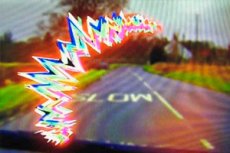
A scintillating scotoma is a temporary area of impaired vision that a person often describes as a "blind spot," "sparkles," "zigzags," "flickering arc," "flashing lightning," "mosaic," or "shaking area" in the visual field. This phenomenon is most often associated with the visual aura of migraine, but similar complaints can occur with diseases of the retina, optic nerve, blood vessels, brain, and certain emergency conditions. [1]
A typical attack begins with a small, flickering or distorted area that gradually expands, shifts to the side, and then disappears completely. Brigham and Women's Hospital describes visual migraine as a temporary visual disturbance that often begins with a small, sparkling or flickering area, slowly expands outward, and typically lasts about 20 to 30 minutes. [2]
The word "scotoma" refers to an area of visual loss or diminution in the visual field. If this area is not simply dark, but is surrounded by shimmering, luminous edges, zigzags, or a "fortress wall," it is called a flickering scotoma or scintillating scotoma. [3]
In most cases, scintillating scotoma is a benign manifestation of migraine aura, especially if attacks are recurring, last 5-60 minutes, develop gradually, and resolve completely. However, a first-time attack, sudden vision loss, one-sided blindness, new neurological symptoms, or an attack after age 50 require medical evaluation, as the "aura" can sometimes mask vascular and ocular diseases. [4]
The main practical task is to understand the origin of the symptom: the visual cortex, the retina or optic nerve, the vascular system, or another cause. To do this, it is important to describe the duration, gradual development, presence of headache, nausea, photophobia, speech impairment, weakness, numbness, and also to check whether the phenomenon is visible in one eye or both eyes. [5]
| Sign | What is typical for scintillating scotoma in migraine? | What's alarming |
|---|---|---|
| Start | Gradual, with expansion of the flickering zone | Sudden loss of vision without gradual progression |
| Duration | Usually 5-60 minutes | Seconds, many hours or a permanent defect |
| Painting | Zigzags, sparks, flickering arc, "fortress wall" | "Curtain", shadow, complete blindness of one eye |
| Headache | May appear during or after an aura | A new, severe headache |
| Neurological symptoms | Sometimes brief sensory or speech symptoms with migraine | Weakness of an arm or leg, facial distortion, slurred speech |
| Exodus | Complete restoration of vision | Incomplete recovery or deterioration |
Sources for the table: International Classification of Headache Disorders, American Migraine Foundation, Merck Manual. [6] [7] [8]
What does a seizure look like and why does it occur?
A classic scintillating scotoma often appears as a luminous broken line, semicircle, arc, or "fortress wall" that trembles, shimmers, and gradually expands. A person may notice that part of the text, face, or object disappears, but bright sparks or zigzag outlines appear around this area. [9]
In migraines, this visual aura is usually associated not with eye damage, but with a temporary change in electrical activity in the visual cortex. In the neurological literature, this is associated with cortical spreading depression—a wave of altered nerve cell activity that ripples through areas of the cortex and temporarily alters visual information processing. [10]
This is why visual auras often develop gradually. The symptom does not appear immediately at its peak, but rather "grows," shifts, or changes shape over the course of several minutes. This gradual progression helps differentiate migraine auras from certain vascular events, although the final diagnosis always depends on the clinical context. [11]
A scintillating scotoma can be both a positive and a negative visual symptom. A positive symptom is something additional a person sees, such as flashes, sparks, or zigzags; a negative symptom is something missing, such as a dark spot, missing letters, or a "blank" area in the visual field. [12]
Sometimes a visual aura occurs without a headache. The American Migraine Foundation emphasizes that aura can be a warning sign of a migraine attack, but in some people, it occurs without a subsequent headache, especially in older people; therefore, new attacks without headache after age 50 should not be automatically considered "common migraine." [13]
| Patient description | Possible medical significance |
|---|---|
| "The sparkling zigzag expands to the side" | Typical visual aura of migraine |
| "Letters fall out when I read, and there's a glow all around." | Scotoma with positive visual phenomenon |
| "The flickering arc lasted 20 minutes and then passed." | Often corresponds to migraine aura |
| "The vision in one eye disappeared like a curtain." | Requires exclusion of vascular or retinal cause |
| Flashes and new spots after injury | Requires exclusion of retinal tear or detachment |
| "The scotoma remained after the attack." | Urgent ophthalmologic or neurologic evaluation is needed. |
Sources for the table: Brigham and Women's Hospital, Practical Neurology, Merck Manual. [14] [15] [16]
Scintillating scotoma and migraine with aura
Migraine with aura is the most common clinical context in which scintillating scotoma is encountered. According to the International Classification of Headache Disorders, aura consists of completely reversible visual, sensory, speech, or other central nervous system symptoms that typically develop gradually and last for minutes. [17]
Migraine aura is characterized by several features: the symptom spreads gradually over at least 5 minutes, different symptoms may occur sequentially, each individual symptom usually lasts 5-60 minutes, although with a motor symptom the duration may be longer, and the headache appears during the aura or within 60 minutes after it. [18]
Visual aura is the most common type of aura. The American Migraine Foundation describes it as temporary disturbances that may include sparks, bright spots, zigzags, temporary loss of part of vision, and changes that often develop and change over 5 to 60 minutes.[19]
With a typical migraine aura, a person often sees the phenomenon in both eyes, although it may subjectively appear to be "on one side." This can be verified during an attack: close one eye, then the other; if the image persists when either eye is closed, the source is often not in one eye, but in the visual pathways or cerebral cortex. [20]
Migraine with aura may be accompanied by nausea, photophobia, phonophobia, a throbbing headache, increased pain with movement, and the need to lie down in a dark room. However, the absence of headache does not rule out a migraine aura if the visual phenomenon is typical, reversible, and recurring in a similar pattern. [21]
| Criterion | Typical migraine aura |
|---|---|
| Start | Gradual |
| Development | Expansion or distribution in 5 minutes or more |
| Duration | Usually 5-60 minutes |
| Type of symptom | Often positive: sparks, zigzags, flickering |
| Vision | Often perceived by both eyes |
| Headache | Often during the aura or within 60 minutes after it |
| Exodus | Full recovery |
Sources for the table: International Classification of Headache Disorders, American Migraine Foundation, North American Neuro-Ophthalmology Society. [22] [23] [24]
How does scintillating scotoma differ from retinal migraine and eye diseases?
Retinal migraine is a rare diagnosis in which visual symptoms occur in only one eye. The International Classification of Headache Disorders defines retinal migraine as recurrent attacks of completely reversible uniocular visual phenomena, including flickering, scotomas, or blindness, confirmed during an attack by visual field testing or by the patient drawing after explicit instructions. [25]
It's important not to label any visual aura as a "retinal migraine." Most flickering scotomas associated with migraine are associated with the visual cortex and are perceived in both eyes, even if the symptom appears to be "in one eye." A true uniocular disorder requires ruling out diseases of the retina, optic nerve, and blood vessels. [26]
Unilateral transient visual loss may be a manifestation of amaurosis, embolism, carotid artery stenosis, vascular inflammation, retinal disease, or optic nerve disease. The RACGP emphasizes that transient visual loss may indicate disease of the eye, optic nerve, orbit, brain, or heart, so a detailed history, ophthalmological, and neurological examination are crucial. [27]
Retinal detachment and retinal tear more often cause flashes, new floaters, a "curtain" or shadow in the visual field, rather than the typical slowly widening arc of flickering light. These symptoms require an urgent fundus examination, as delay can lead to permanent vision loss. [28]
In the elderly, sudden visual impairment, especially with temple pain, scalp tenderness, pain when chewing, weakness, or elevated inflammatory markers, requires the exclusion of giant cell arteritis. This is an emergency, as vascular inflammation can lead to irreversible vision loss. [29]
| State | Typical signs | Why is it important to distinguish |
|---|---|---|
| Migraine visual aura | Gradual flickering arc, 5-60 minutes, full recovery | Usually benign, but requires evaluation if new symptoms occur |
| Retinal migraine | Reversible impairment in only one eye | Diagnosis of exclusion |
| Retinal tear or detachment | Flashes, new spots, curtain or shadow | Emergency ophthalmological care |
| Amaurosis | Temporary one-eye vision loss | Potential vascular risk |
| Giant cell arteritis | Visual impairment in an elderly patient, pain in the temple, pain when chewing | Risk of irreversible blindness |
| Optic neuritis | Pain when moving the eye, decreased vision, impaired color perception | Neurological and ophthalmological evaluation is needed. |
Sources for the table: International Classification of Headache Disorders, Merck Manual, RACGP. [30] [31] [32]
When to seek urgent medical attention
Urgent care is needed if a scintillating scotoma appears for the first time, especially if it develops suddenly, without gradual expansion, and is accompanied by weakness in an arm or leg, slurred speech, facial distortion, loss of consciousness, severe headache, or persistent visual impairment. Such symptoms may mimic a stroke, transient ischemic attack, hemorrhage, seizure, or other emergency. [33]
Particularly dangerous are unilateral blindness, a sensation of a "curtain" in front of one eye, new flashes with numerous floaters, decreased vision after an injury, or incomplete visual recovery after an attack. In these cases, vascular occlusion, retinal tear, retinal detachment, and other eye diseases must be ruled out. [34]
A medical evaluation is necessary if attacks become more frequent, change their usual pattern, begin after age 50, last longer than 60 minutes, occur in only one eye, or are accompanied by new neurological symptoms. Even in a person with a history of migraines, a new aura type should not automatically be considered a previous migraine. [35]
Visual aura is also possible in children and adolescents, but new visual symptoms with headache, morning vomiting, impaired coordination, altered consciousness, or progressive deterioration require careful evaluation. In children, it is more difficult to accurately describe the visual field, so the doctor especially values the parents' story, a drawing of the symptom, and an ophthalmological examination. [36]
If a person over 50 years of age first describes scintillating scotoma without a typical history of migraine, the physician should consider not only migraine but also vascular causes. This does not mean that all such patients will have a stroke or tumor, but the age of the first attack changes the level of suspicion. [37]
| Red flag | What should be excluded? |
|---|---|
| First attack after 50 years | Vascular causes, vascular inflammation, eye diseases |
| Sudden complete loss of vision | Vascular occlusion or retinal disease |
| Symptom in only one eye | Retinal or vascular cause |
| Weakness, speech impairment, facial distortion | Stroke or transient ischemic attack |
| "Curtain" and new flies | Retinal tear or detachment |
| Symptom lasting longer than 60 minutes | Atypical aura or other cause |
| Vision has not been fully restored. | Urgent ophthalmologic or neurologic evaluation |
Sources for the table: Retina Today, Merck Manual, RACGP. [38] [39] [40]
Diagnostics: what tests are prescribed?
Diagnosis begins with a detailed description of the attack. The doctor specifies how the symptom began, how many minutes it lasted, whether there was a gradual migration, whether there were zigzags or a dark spot, whether the phenomenon was seen in one eye or both, whether headache, nausea, photophobia, speech impairment, numbness, or weakness developed. [41]
The simplest practical question to ask during an attack is "what happens when one eye is closed?" If flickering persists when either eye is closed, this most often indicates a cerebral origin for the visual phenomenon; if the symptom is fully present only when one eye is open, a more careful assessment of the retina, optic nerve, and blood vessels of that eye is necessary. [42]
An ophthalmologic examination may include testing visual acuity, pupillary responses, color perception, intraocular pressure, fundus examination, retina and optic nerve examination, and perimetry, or visual field testing. If new flashes, floaters, or "curtains" are observed, examination of the retinal periphery is especially important. [43]
A neurological evaluation is necessary in cases of atypical presentation, new symptoms, or suspected transient ischemic attack, stroke, epileptic aura, tumor, inflammation, or demyelinating disease. In such cases, magnetic resonance imaging of the brain, vascular imaging, blood tests, and additional clinically indicated tests may be ordered. [44]
In a typical, recurring migraine aura in a young patient with a normal physical examination, the scope of workup may be minimal. However, in the case of a first attack, a change in the usual pattern, one-eyed symptoms, a prolonged aura, or red flags, skimping on diagnostics is dangerous. [45]
| Diagnostic step | What clarifies |
|---|---|
| Detailed history of the attack | Typical migraine aura or atypical presentation |
| Checking one eye | One-eyed or two-eyed perception of the symptom |
| Ophthalmological examination | Retina, optic nerve, eye pressure, visual fields |
| Perimetry | Documents a scotoma or other visual field defect |
| Neurological examination | Looks for signs of damage to the brain or nervous system |
| Magnetic resonance imaging | Search for a structural or vascular cause based on indications |
| Vascular studies | If transient ischemia or vascular risk is suspected |
Sources for the table: RACGP, Merck Manual, ICHD-3. [46] [47] [48]
Treatment and prevention of attacks
Treatment for scintillating scotoma depends on the cause. If it's a typical migraine aura, the visual phase itself usually resolves on its own, and treatment is aimed at the subsequent headache, reducing the frequency of attacks, and controlling triggers. If the cause is ocular or vascular, a completely different approach is required. [49]
During a visual aura, it's best to stop, sit or lie down, avoid driving, or operating machinery, and wait until your vision recovers. This is especially important because the scotoma can temporarily obscure part of the road, text, a screen, or a person's face. [50]
For the treatment of migraine headache attacks, NICE recommends taking into account patient preferences, comorbidities and risks of side effects; acute treatment options include analgesics, non-steroidal anti-inflammatory drugs, triptans and antiemetics.[51]
Triptans are generally more effective when taken at the onset of a headache rather than during the aura alone. Some clinical guidelines suggest that nonsteroidal anti-inflammatory drugs and antiemetics can be taken during the aura in anticipation of a headache, but triptans are best used at the onset of the pain phase.[52]
Preventive treatment is considered if attacks are frequent, prolonged, severe, disrupt work and sleep, or if acute medications must be taken too frequently. The American Headache Society in 2024 indicated that calcitonin gene-related peptide (CGRP)-targeted drugs could be considered as a first-line option for migraine prevention, along with existing first-line medications.[53]
| Situation | Possible tactics |
|---|---|
| Single typical aura | Safety during an attack, observation, diary |
| Aura with headache | Treatment of migraine headaches by prescription |
| Frequent attacks | Preventive therapy and identification of triggers |
| Aura without headache after 50 years | Exclusion of vascular and ocular causes |
| One-eyed symptoms | Ophthalmologic and vascular evaluation |
| New flashes and flies | Urgent retinal examination |
| Neurological red flags | Emergency diagnostics |
Sources for the table: NICE, American Headache Society, Merck Manual. [54] [55] [56]
Code according to ICD 10 and ICD 11
In the International Classification of Diseases, 10th revision, scintillating scotoma is not always coded with a single universal code because it is a symptom, not an independent disease. If it is a manifestation of migraine with aura, the category G43.1 "migraine with aura" is usually used; if the physician codes specifically for visual impairment, the categories H53.1 "subjective visual disturbances" or H53.4 "visual field defects" may be used, with the type of scotoma specified according to local coding rules. [57] [58] [59]
In the International Classification of Diseases, 11th revision, migraine with aura is coded as 8A80.1. If a specific pattern of visual field defect is to be described, section 9D42, "patterns of visual field impairment," is used, which contains separate categories for central scotoma, paracentral scotoma, hemianopic or quadrant loss, and other variants. [60] [61]
The code is selected based on the clinical diagnosis. The same complaint of "flickering spot" may represent migraine with aura, retinal migraine, temporary vision loss, visual field defect, retinal disease, or vascular episode; therefore, coding should follow clarification of the cause and not replace the examination. [62]
If the scotoma is due to a disease of the retina, optic nerve, stroke, transient ischemic attack, or other established condition, the primary code will be the code for that disease, and the visual impairment may be additionally coded according to the rules of the specific health care system. [63]
In practice, it is useful to include not only the code but also the clinical formulation in the medical record: “typical visual aura of migraine with scintillating scotoma,” “uniocular transient visual loss,” “central scotoma of the right eye,” or “visual field defect of unknown cause.” Such detail helps avoid confusion between benign auras and dangerous conditions. [64]
| Clinical situation | International Classification of Diseases, 10th revision | International Classification of Diseases, 11th revision | Comment |
|---|---|---|---|
| Migraine with aura | G43.1 | 8A80.1 | Common context of scintillating scotoma |
| Subjective visual impairment | H53.1 | Coded according to the visual functions section | Used if the reason is not specified |
| Visual field defect | H53.4 | 9D42 | Details of the defect type are required. |
| Central scotoma | H53.41 in the US clinical modification | 9D42.4 | The code depends on the side and system |
| Paracentral scotoma | Within H53.4 with clarification | 9D42.5 | Requires perimetry or visual field description |
| Retinal migraine | In the migraine with aura group according to the clinical system | 8A80.1 with clarification on the rules | Diagnosis of exclusion |
Sources for the table: WHO ICD-10, ICD-10-CM, ICD-11 MMS, International Classification of Headache Disorders. [65] [66] [67] [68]
Lifestyle, triggers, and seizure diary
In people with migraines, scintillating scotoma can be triggered by lack of sleep, skipping meals, dehydration, stress after a period of tension, alcohol, bright, flickering lights, weather changes, hormonal fluctuations, and certain odors. However, triggers vary from person to person, and trying to ban everything often worsens quality of life. [69]
A seizure diary helps distinguish coincidences from genuine patterns. It records the date, time, and duration of the aura, the type of visual phenomenon, the presence of headaches, medications, sleep, diet, menstrual cycle, stress, alcohol, physical activity, and vision recovery. [70]
Regular sleep, adequate fluid intake, regular meals, moderate physical activity, and reduction of sudden changes in stress may reduce the frequency of migraine attacks in some patients. These measures do not replace medication for severe migraines, but they provide a foundation without which preventive therapy is often less effective. [71]
People with scintillating scotoma should think about safety in advance. If the aura begins while driving, it is important to stop safely; if the attack occurs while working with machinery, heights, tools, or a screen, it is necessary to stop the dangerous activity until vision is fully restored. [72]
If attacks become more frequent or require frequent painkiller use, discuss preventative measures with your doctor. International guidelines warn of the risk of drug-induced headaches with overuse of painkillers, so frequent attacks are best treated prophylactically rather than endlessly increasing the number of pills. [73]
| What to record in the diary | For what |
|---|---|
| Aura start time | Helps to assess patterns |
| Duration of the visual phenomenon | Distinguishes a typical aura from an atypical one |
| Form of scotoma | Helps the doctor understand the origin |
| The symptom was perceived by one or both eyes | Important to differentiate between ocular and cortical causes |
| Headache and nausea | Association with migraine attack |
| Medicines and their effects | Selection of therapy |
| Sleep, food, stress, hormonal factors | Finding individual triggers |
Sources for the table: American Migraine Foundation, North American Neuro-Ophthalmology Society, International Headache Society. [74] [75] [76]
Frequently asked questions
Is scintillating scotoma always a migraine? No. It's most often associated with the visual aura of migraine, but similar symptoms can occur with diseases of the retina, optic nerve, blood vessels, brain, and some emergency conditions. [77]
How long does a migraine scintillating scotoma typically last? A typical migraine aura typically lasts 5-60 minutes, often around 20-30 minutes, gradually widening and resolving completely. [78]
Can scintillating scotoma occur without headache? Yes. Visual aura can occur without subsequent headache, especially in older people, but a new first attack without headache requires careful evaluation. [79]
How can you tell if it's in one eye or both? During an attack, you can alternately close one eye, then the other; if the phenomenon persists with either eye closed, it's most often associated with the visual pathways or cortex, and if it's visible in only one eye, ocular and vascular causes must be ruled out. [80]
When is it necessary to see a doctor immediately? Seek immediate medical attention if you experience a first attack, sudden vision loss, symptoms in only one eye, weakness, slurred speech, facial distortion, severe headache, new flashing spots, a "curtain" in front of the eye, or incomplete vision recovery. [81]
Could this be a stroke? Sometimes the symptoms of migraine aura and transient ischemic attack are similar, especially with speech impairment, numbness, or weakness, so new or atypical attacks require medical evaluation. [82]
How does a scintillating scotoma differ from a retinal detachment? Migraine aura typically involves a gradual widening of the scintillating pattern and complete resolution, while a retinal tear or detachment often results in new flashes, multiple floaters, a shadow, or a "curtain," requiring an urgent fundus examination. [83]
Should an MRI be performed for every scintillating scotoma? Not always. For typical, recurring migraine auras and a normal examination, the physician may not order imaging, but for a first attack, a change in pattern, neurological symptoms, late onset, or a duration of more than 60 minutes, the examination is usually expanded. [84]
Can you continue driving during an aura? No. Even if the attack usually passes, the scotoma temporarily obscures part of your vision, so you should stop safely and wait until you fully recover. [85]
What medications help? The visual aura itself often resolves without treatment, and medications are chosen for migraine headaches and attack prevention; options include painkillers, nonsteroidal anti-inflammatory drugs, triptans, antiemetics, and preventative medications as prescribed by a doctor. [86]
Do new migraine prevention drugs help? For the prevention of frequent migraines, the American Headache Society in 2024 recommended that calcitonin gene-related peptide (CGRP)-targeted drugs be considered as a first-line option along with other first-line medications.[87]
Is it possible to cure scintillating scotoma permanently? If the cause is migraine, the goal of treatment is usually not to "remove the aura forever," but to reduce the frequency and severity of attacks, eliminate dangerous causes, and learn how to safely manage an episode. [88]
Key points from experts
International Headache Society, International Classification of Headache Disorders, 3rd edition. Key practice message: The typical migraine aura develops gradually, lasts minutes, is completely reversible, and should not be misdiagnosed; these features help distinguish it from vascular and other serious causes. [89]
Kathleen B. Digre, MD, a neuro-ophthalmologist and migraine expert with the American Migraine Foundation, emphasizes that visual auras often begin in the center of vision and radiate outward, and auras can occur even without headache, which is especially important when evaluating attacks in older adults. [90]
The North American Neuro-Ophthalmology Society's key practice thesis is that migraine visual aura is most often a transient neurological symptom, typically lasts about 30 minutes, may be without headache, and requires distinguishing bioptic perception from true uniocular vision loss.[91]
American Headache Society, 2024 Position Statement: For people with frequent migraines, a modern preventive approach is important: drugs targeting calcitonin gene-related peptide may be considered as first-line options for migraine prevention without necessarily causing prior failure of older preventive medications.[92]
Authors of the 2021 review Visual Phenomena Associated With Migraine. Their key thesis: visual aura in migraine should be distinguished from epileptic aura, retinal ischemia, cerebral ischemia, and other causes, so the form, duration, gradualness, and reversibility of the symptom are of diagnostic value. [93]
Result
Scintillating scotoma is most often a manifestation of the visual aura of migraine: it typically develops gradually, appears as a flickering arc, zigzag, or expanding blind spot, lasts 5-60 minutes, and resolves completely. However, it is not a standalone diagnosis, but a visual symptom that must be interpreted in context. [94]
Warning signs include a first attack, onset after age 50, symptoms in only one eye, sudden vision loss, "curtain vision," new spots with flashes, weakness, speech impairment, severe headache, or incomplete vision recovery. In these cases, retinal disease, optic nerve disease, vascular events, and other urgent causes must be ruled out. [95]
The correct strategy is to describe the attack in detail, check whether the symptom is uniocular or biocular, undergo ophthalmological and neurological evaluation if red flags are present, and if migraine is confirmed, select headache treatment and attack prevention. [96]