
Medical expert of the article

New publications
Platelet transfusion: indications, thresholds, risks, and patient preparation
Last updated: 23.05.2026

All iLive content is medically reviewed or fact checked to ensure as much factual accuracy as possible.
We have strict sourcing guidelines and only link to reputable media sites, academic research institutions and, whenever possible, medically peer reviewed studies. Note that the numbers in parentheses ([1], [2], etc.) are clickable links to these studies.
If you feel that any of our content is inaccurate, out-of-date, or otherwise questionable, please select it and press Ctrl + Enter.
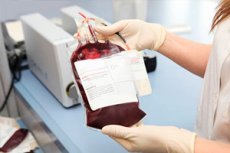
Platelet transfusion is the intravenous administration of a donor platelet component to a patient to temporarily increase the number of functional platelets or to help stop bleeding. Platelets participate in primary hemostasis: they attach to the damaged vessel, become activated, adhere to each other, and help form the primary "plug" without which proper blood clotting is impossible. [1]
The primary goal of the procedure is not to "normalize the blood count at any cost," but to reduce the risk of dangerous bleeding or stop bleeding that has already begun. Therefore, the decision to transfuse depends not only on the platelet count but also on the cause of thrombocytopenia, the presence of bleeding, the planned surgery, fever, infection, medications, clotting disorders, and the patient's overall condition. [2]
Current international guidelines for 2025, prepared by the Association for the Advancement of Blood and Biotherapies and the International Collaboration for Transfusion Medicine Guidelines, emphasize the general principle of a restrictive strategy: transfuse platelets when the expected benefit outweighs the risk, and not simply at every drop in platelet count. In a review of the evidence, restrictive approaches in various clinical situations generally did not increase mortality or bleeding compared with more liberal strategies. [3]
Platelet components are obtained either from whole donor blood or by apheresis, whereby platelets are mechanically removed from one donor and the remaining blood components are returned. A typical adult prophylactic dose often corresponds to 1 apheresis dose or 4-6 doses of platelets obtained from whole blood and contains approximately 3-4 × 10¹¹ platelets. [4]
It's important to understand the temporary nature of the effect. Transfused platelets do not treat the underlying disease that led to thrombocytopenia, but only temporarily increase hemostatic reserve. If the bone marrow does not produce platelets, there is immune destruction, sepsis, disseminated intravascular coagulation, or an enlarged spleen, the effect may be short-lived or weak. [5]
| Term | A simple explanation | Why is it important? |
|---|---|---|
| Platelets | Blood cell fragments involved in stopping bleeding | Their deficiency increases the risk of bleeding. |
| Thrombocytopenia | A decrease in the platelet count below normal | Does not always require transfusion |
| Prophylactic transfusion | Transfuse before bleeding to reduce the risk | Used only under certain thresholds and conditions |
| Therapeutic transfusion | Transfusion for active bleeding | The decision depends on the severity of the bleeding and the location of the blood loss. |
| Refractory | Weak platelet growth after transfusion | Requires a search for immune and non-immune causes |
When is platelet transfusion really indicated?
Indications are divided into two broad groups: therapeutic and prophylactic. Therapeutic transfusion is performed when a patient is bleeding and has a low platelet count or impaired platelet function; prophylactic transfusion is performed when bleeding has not yet occurred but the risk is considered high, such as with severe thrombocytopenia after chemotherapy or before certain invasive procedures. [6]
For patients without bleeding and without imminent surgery, the classic prophylactic threshold has long been considered to be a level of less than 10 × 10⁹ platelets per liter in hypoproliferative thrombocytopenia, such as after intensive chemotherapy or allogeneic hematopoietic stem cell transplantation. The 2025 international guidelines endorse this threshold for a range of patients with low platelet production, but also highlight situations where prophylactic transfusion is not automatically recommended. [7]
For clinically significant bleeding, thresholds are higher. The National Institute for Health and Care Excellence guidelines recommend offering platelet transfusions to patients with thrombocytopenia and clinically significant bleeding at levels below 30 × 10⁹ per liter, and for severe bleeding or bleeding in critical areas such as the central nervous system or eyes, using higher target levels up to 100 × 10⁹ per liter. [8]
Before procedures, the threshold depends on the risk of bleeding. According to the 2025 international guidelines, a central venous catheter in a compressible anatomical area generally requires transfusion at a level of less than 10 × 10⁹ per liter, a lumbar puncture at a level of less than 20 × 10⁹ per liter, low-risk interventional radiological procedures at a level of less than 20 × 10⁹ per liter, and high-risk interventions and major non-neuraxial surgery at a level of less than 50 × 10⁹ per liter. [9]
Transfusion is not a universal response to all thrombocytopenia. In immune thrombocytopenia, heparin-induced thrombocytopenia, and thrombotic thrombocytopenic purpura, prophylactic transfusions are generally avoided because platelets can be rapidly destroyed or theoretically increase thrombotic risks; exceptions may include life-threatening bleeding or urgent intervention at the discretion of a hematologist.[10]
| Clinical situation | Typical tactics | Approximate threshold |
|---|---|---|
| Patient without bleeding after chemotherapy | Prophylactic transfusion | Less than 10 × 10⁹ per liter |
| Clinically significant bleeding | Therapeutic transfusion | Less than 30 × 10⁹ per liter |
| Severe bleeding or critical area | Higher target level | Up to 100 × 10⁹ per liter depending on the situation |
| Lumbar puncture | Transfusion before the procedure if necessary | Less than 20 × 10⁹ per liter |
| Major non-neuraxial surgery | Preparing for the intervention | Less than 50 × 10⁹ per liter |
| Surgery in the central nervous system or posterior segment of the eye | A stricter threshold | About 100 × 10⁹ per liter |
How is the procedure performed?
Before transfusion, the physician evaluates the indications, diagnosis, bleeding risk, medications, previous transfusion reactions, blood type, need for special components, and the anticipated purpose of the procedure. It is important not only to prescribe platelets but also to determine in advance what result is considered sufficient: stopping bleeding, maintaining a safe pre-procedure level, or preventing spontaneous bleeding in patients with severe thrombocytopenia. [11]
The patient is typically placed into an intravenous line, and the platelet component is administered through a filtered system. In a standard system, the filter traps large particles and fibrin clots, and the medical team must have on-hand resources to manage an acute reaction, including saline, oxygen, and medications for the treatment of anaphylaxis according to local protocol. [12]
Before starting, the patient's identity, purpose, component labeling, blood type, expiration date, and container appearance must be checked. Platelets are stored at room temperature, so any signs of clots, unusual appearance, or suspected bacterial contamination require stopping the process and inspecting the component. [13]
Platelet group compatibility is structured differently than for red blood cells. Platelets themselves carry ABO antigens but do not carry Rh antigens; however, the platelet component may contain small amounts of red blood cells, so anti-D immunoglobulin is sometimes considered after RhD-positive platelets in RhD-negative children and people of reproductive age. [14]
After transfusion, the clinical effect and, when necessary, the increase in platelet count are assessed. In active bleeding, the main outcome is a reduction or cessation of bleeding; in prophylactic transfusions and before procedures, blood count monitoring may be necessary before the intervention or approximately 1 hour after transfusion, especially if a poor response is suspected. [15]
| Stage | What does the medical team do? | Why is this necessary? |
|---|---|---|
| Before the procedure | Checks indications, diagnosis, tests, medications and consent | To make the transfusion justified |
| Component selection | Takes into account blood type, special requirements, and risk of reactions | To reduce complications and improve the effect |
| Beginning of transfusion | Checks the patient and container at the bedside | To eliminate identification error |
| Observation | Monitors temperature, blood pressure, pulse, breathing, and complaints | To quickly recognize the reaction |
| After transfusion | Assesses bleeding and platelet growth | To understand whether the procedure helped |
What platelets may be needed: regular and special components
In most cases, standard leukoreduced platelets are used, meaning components from which most of the white blood cells have been removed. Leukoreduction reduces the risk of certain immune complications, including the formation of antibodies to human leukocyte antigens, and decreases the risk of cytomegalovirus transmission, although specific guidelines for component selection vary by country, laboratory, and patient risk group. [16]
Irradiated platelets are needed by patients at high risk of graft-versus-host disease, a transfusion-related condition in which donor lymphocytes can attack recipient tissue. These situations include, for example, components from family members, human leukocyte antigen-compatible platelets, and certain severe immunodeficiency states; irradiation damages lymphocyte DNA and prevents their proliferation. [17]
Washed platelets or components from IgA-deficient donors may be needed for patients with severe recurrent allergic reactions or confirmed IgA antibodies. This modification reduces the amount of plasma proteins, but requires special conditions and is not used without indications. [18]
Human leukocyte antigen-matched or human platelet antigen-matched platelets are used in cases of immune refractoriness, when conventional donor platelets are rapidly destroyed by the patient's antibodies. This is more common in people with multiple previous transfusions, pregnancies, or long-term treatment for hematological diseases. [19]
Pathogen-reduced platelets undergo processing to reduce the risk of transmitting certain infectious agents. However, even modern technology does not eliminate the risk, so donor screening, laboratory testing, bacterial control, proper storage, and clinical monitoring during transfusion are required. [20]
| Component type | When might it be needed? | Peculiarity |
|---|---|---|
| Standard leukoreduced platelets | Most common indications | The basic modern variant in many blood systems |
| Irradiated platelets | Immunodeficiency, donor relative, human leukocyte antigen-matched components | Prevention of graft-versus-host disease |
| Washed platelets | Severe recurrent allergic reactions | Less plasma proteins |
| Human leukocyte antigen-matched platelets | Immune refractoriness | Require special selection |
| Pathogen-reduced platelets | Reducing infectious risks | Clinical observation is not cancelled |
Risks and side effects
Platelet transfusions are often life-saving, but they are not a "harmless drip." Allergic reactions, febrile nonhemolytic reactions, circulatory overload, acute lung injury, bacterial infection, hemolytic reaction with plasma incompatibility, anaphylaxis, post-transfusion purpura, and refractoriness to subsequent transfusions are possible.[21]
The most common reactions are usually less serious: itching, hives, skin redness, chills, or fever. However, even fever during transfusion should not automatically be considered a "normal reaction," as it may be the first sign of bacterial contamination of the component, a hemolytic reaction, or another serious complication. [22]
Bacterial contamination is particularly important for platelets because they are stored at room temperature, which creates more opportunities for bacterial growth than when red blood cells are refrigerated. The US Centers for Disease Control and Prevention lists bacterial contamination of platelet components as the second leading cause of death from transfusion infections in the United States and emphasizes that no single test detects all bacteria in all platelet units. [23]
Circulatory overload is particularly dangerous in patients with heart failure, kidney disease, advanced age, or high transfusion volumes. It manifests as shortness of breath, difficulty breathing when supine, decreased blood oxygen saturation, increased blood pressure, tachycardia, and signs of fluid overload. Treatment includes transfusion interruption, oxygen, diuretics, and respiratory support as indicated. [24]
Transfusion-associated acute lung injury (TALI) occurs during or within 6 hours of transfusion and presents with hypoxemia and bilateral pulmonary infiltrates without signs of fluid overload. This is a rare but potentially life-threatening complication that requires immediate recognition, cessation of the transfusion, and aggressive respiratory support. [25]
| Reaction | Possible signs | What is important to do |
|---|---|---|
| Mild allergic reaction | Itching, hives, redness | Notify staff, assess severity |
| Feverish reaction | Temperature, chills | Rule out infection and serious reactions |
| Bacterial infection | Fever, chills, drop in blood pressure, nausea, shock | Stop transfusion immediately and take cultures. |
| Circulatory overload | Dyspnea, orthopnea, hypertension | Stop transfusion, oxygen, diuretics as indicated |
| Acute lung injury | Hypoxemia, respiratory failure | Emergency care and prevention of fluid overload |
| Anaphylaxis | Drop in pressure, bronchospasm, edema | Emergency treatment according to protocol |
Who does not usually receive platelet transfusions prophylactically?
Prophylactic transfusion is not routinely recommended for chronic bone marrow failure, autoimmune thrombocytopenia, heparin-induced thrombocytopenia, and thrombotic thrombocytopenic purpura, unless there is bleeding or a special situation. The National Institute for Health and Care Excellence explains this by a combination of insufficient evidence of benefit, the availability of other treatments, and potential harm. [26]
In immune thrombocytopenia, the problem is often not that platelets are not being supplied, but that the immune system is rapidly destroying them. Therefore, in the absence of threatening bleeding, treatments targeting the immune mechanism usually become the mainstay of treatment, and platelet transfusions may have a weak and short-lived effect. [27]
In thrombotic thrombocytopenic purpura, low platelet counts are combined with microvascular thrombosis, so prophylactic transfusion may be unsafe. In such cases, the therapeutic approach differs: specialized treatments for the underlying process are prioritized, and platelets are considered only in cases of life-threatening bleeding or at the discretion of the specialized team. [28]
In heparin-induced thrombocytopenia, the primary risk is not so much bleeding as thrombosis. Therefore, prophylactic platelet transfusions are not usually used, and in cases of severe bleeding or urgent surgery, the decision is made individually with the participation of a hematologist and a transfusion medicine specialist. [29]
In dengue fever-associated thrombocytopenia, the 2025 international guidelines do not recommend platelet transfusions without major bleeding, despite low platelet counts. This is an important example of how the risk of bleeding is not determined solely by platelet counts, and transfusions may be futile or inadvisable in a particular disease. [30]
| State | Why platelet prophylaxis is questionable | When might a transfusion be considered? |
|---|---|---|
| Immune thrombocytopenia | Platelets are quickly destroyed by the immune system. | Life-threatening bleeding |
| Thrombotic thrombocytopenic purpura | Risk of microthrombosis and the specific mechanism of the disease | Only exceptional situations |
| Heparin-induced thrombocytopenia | The main risk is thrombosis. | Severe bleeding or emergency procedure |
| Chronic bone marrow failure without bleeding | Limited benefit and accumulation of risks | Individually depending on bleeding or procedure |
| Dengue without massive bleeding | Guidelines do not support prophylactic transfusion. | Only in case of significant bleeding depending on the situation |
How is effectiveness assessed and what is refractoriness?
The expected effect after a standard adult dose is a significant increase in platelet count, but the magnitude of the increase depends on body weight, baseline condition, bleeding activity, infection, temperature, enlarged spleen, disseminated intravascular coagulation, and medications. Therefore, the same component may produce a good result in a stable patient and a poor result in a critically ill patient in the intensive care unit. [31]
Refractory platelet transfusion means that platelet counts show little or no increase after repeated transfusions. According to Canadian Blood Services, approximately 80% of cases are due to non-immune causes, such as infection, fever, medications, splenomegaly, and disseminated intravascular coagulation, while about 20% are due to immune-mediated destruction.[32]
To assess a poor response, the physician may order platelet count monitoring approximately 1 hour after transfusion. This early analysis helps distinguish immune-mediated rapid destruction from late platelet consumption or redistribution and determine whether additional testing for antibodies to human leukocyte antigens or human platelet antigens is needed. [33]
Immune refractoriness is most often associated with antibodies to human leukocyte antigen class I, which can appear after pregnancy, previous transfusions, or transplants. In such cases, normal platelets may be destroyed too quickly, and adequate replenishment is achieved only with the use of compatible or specially selected components. [34]
If the response is poor, it's not always necessary to simply "give more platelets." A proper approach includes searching for infection, bleeding, drug factors, an enlarged spleen, coagulation disorders, immune antibodies, and adjusting the indications, as repeated unnecessary transfusions increase the risk of reactions and waste limited donor resources. [35]
| Problem after transfusion | Possible cause | What do they usually do? |
|---|---|---|
| No growth after 1 hour | Immune refractoriness | They check antibodies and select compatible platelets. |
| There is growth, but it quickly disappears. | Consumption, infection, bleeding, spleen | They look for and treat the underlying cause |
| Recurrent febrile reactions | Reaction to a component or infectious risk | The procedure is stopped and the reaction is assessed. |
| Hives and itching | Allergic reaction | They assess the severity and decide on modified components. |
| Shortness of breath after transfusion | Circulatory overload or acute lung injury | Urgent assessment, transfusion arrest, respiratory support |
What should a patient know before the procedure?
Before a transfusion, it's important for the patient to ask the doctor why it's needed: prophylaxis, before a procedure, or to treat bleeding. This question isn't a sign of distrust; it helps them understand the purpose, the expected effect, and why this particular threshold was chosen, rather than monitoring or treating the underlying cause of thrombocytopenia. [36]
The healthcare team should be informed of previous transfusions, allergic reactions, previous pregnancies, transplants, immune thrombocytopenia, drug allergies, cardiac and renal disease, and the use of antiplatelet and anticoagulant medications. These data influence the choice of component, the rate of administration, monitoring, and the need for special modifications. [37]
During the procedure, new symptoms should not be tolerated. Any itching, hives, chills, fever, chest or back pain, shortness of breath, cough, nausea, dizziness, anxiety, sudden weakness, or a feeling of "something is wrong" should be reported immediately, as early transfusion termination and component check can prevent serious complications. [38]
Following a transfusion, it is important to follow recommendations for follow-up blood testing, especially if the procedure was performed before surgery or if there has been a history of low platelet counts. If fever, chills, rash, bleeding, severe weakness, shortness of breath, or dark urine develop at home after discharge, contact a medical facility immediately. [39]
A patient should not self-request a transfusion simply because their platelets are "below normal." Normal platelet counts are typically 150-450 × 10⁹ per liter, but prophylactic transfusions are used at much lower levels and only based on the clinical situation; premature transfusions may pose more risks than benefits. [40]
| Question for the doctor | Why ask? |
|---|---|
| What is the purpose of transfusion: prevention, surgery or bleeding? | To understand the expected benefit |
| What is the target platelet level? | The threshold depends on the procedure and risk. |
| Are irradiated, washed or matched platelets needed? | This is important for immune risks and past reactions. |
| When to check the test after transfusion? | This helps to evaluate the effectiveness |
| What reaction symptoms require immediate attention? | This improves patient safety. |
Frequently asked questions
Is a platelet transfusion the same as a blood transfusion?
It's a type of transfusion, but it's not whole blood that's administered, but the platelet component. It's not prescribed to treat anemia or increase hemoglobin, but to prevent or treat bleeding due to platelet deficiency or dysfunction. [41]
At what platelet level is transfusion typically performed?
In patients without bleeding after chemotherapy or allogeneic transplantation, a threshold of less than 10 × 10⁹ per liter is often used, but thresholds are higher before procedures and in cases of bleeding. For example, for major non-neuraxial surgery, the 2025 international guidelines specify a threshold of less than 50 × 10⁹ per liter. [42]
Why can't platelets be transfused in advance "for safety"?
Because every transfusion carries the risk of an allergic reaction, fever, bacterial contamination, circulatory overload, lung damage, and immune complications. Furthermore, platelets are a limited donor resource, so current guidelines support restrictive and clinically justified use. [43]
Is transfusion necessary for immune thrombocytopenia?
In immune thrombocytopenia, prophylactic transfusions are usually ineffective because the immune system rapidly destroys platelets. Transfusion may be considered for severe or life-threatening bleeding, usually in conjunction with treatment targeting the immune mechanism and with the involvement of a hematologist. [44]
Why do platelet counts drop rapidly again after a transfusion?
The cause may be ongoing bleeding, infection, fever, disseminated intravascular coagulation, an enlarged spleen, medications, or immune antibodies to the donor platelets. If the increase is weak again, the doctor evaluates refractoriness and may prescribe specific compatible components. [45]
Are platelet transfusion infections dangerous?
Modern systems of donor selection, testing, and bacterial control dramatically reduce the risks, but do not eliminate them completely. Platelets require special care because they are stored at room temperature, and bacterial contamination remains one of the main infectious problems in platelet transfusion. [46]
Is it possible to transfuse platelets from a different blood type?
Ideally, ABO-identical platelets are used, but if a component is deficient, non-ABO-identical variants are acceptable. However, the risk of decreased platelet growth, plasma incompatibility, and hemolysis must be taken into account, especially if the component contains high levels of anti-A or anti-B antibodies. [47]
What are irradiated platelets?
They are a platelet component treated with radiation to inactivate donor lymphocytes. They are not needed for everyone, but are reserved for patients at risk of transfusion-associated graft-versus-host disease, such as those with certain immunodeficiencies, those who have received transfusions from relatives, or those who have received human leukocyte antigen-compatible platelets. [48]
How long does the effect of a transfusion last?
In a stable patient, the increase may persist longer, but in cases of infection, bleeding, active platelet consumption, an enlarged spleen, or immune refractoriness, the effect may be short-lived. Therefore, it is sometimes more important to treat the cause of platelet consumption or destruction than to repeat the transfusion. [49]
Is hospitalization necessary after the procedure?
This depends on the reason for the transfusion, the severity of the condition, the risk of bleeding, and the presence of a reaction. Patients with hematological oncology, pre-operative patients, or those with active bleeding are usually monitored more closely, while for planned prophylactic transfusions, the treatment regimen is determined by the treating team. [50]
Key points from experts
Ryan A. Metcalf, MD, CQA, is chief of the Transfusion Medicine Section, an associate professor of pathology at the University of Utah Health and ARUP Laboratories, and chair of the Clinical Transfusion Medicine Committee of the Association for the Advancement of Blood and Biotherapies. He is a leading contributor to the 2025 international guidelines for platelet transfusion. His key practice position is reflected in the new guidelines: the strategy should be restrictive, contextual, and based on the benefit-risk ratio, rather than automatic transfusion at every test drop. [51] [52]
Lise J. Estcourt, MB BChir, MSc, DPhil, FRCP, FRCPath is Associate Professor of Haematology and Transfusion Medicine at the University of Oxford, a consultant haematologist at NHS Blood and Transplant, medical director of transfusion at NHS Blood and Transplant, and one of the authors of the British Society for Haematology's guidelines on the use of platelet transfusions. Her work highlights that the safe use of blood components requires not only knowledge of thresholds but also an assessment of bleeding risk, alternatives, and clinical need. [53] [54]
Richard M. Kaufman, MD, professor of pathology and laboratory medicine at the Geisel School of Medicine at Dartmouth, is a specialist in transfusion medicine and the first author of the 2015 Association for the Advancement of Blood and Biotherapies clinical practice guideline on platelet transfusion. This guideline reinforced an important principle: in hospitalized adults with therapy-induced hypoproliferative thrombocytopenia, prophylactic transfusion is generally indicated at levels of 10 × 10⁹ per liter or lower, and higher doses provide no additional benefit. [55] [56]
Jeannie Callum, MD, is a transfusion medicine specialist, professor at the University of Toronto, and researcher on the clinical validity of blood component transfusions. Her work and practice audits show that even with guidelines, a significant portion of transfusions may be performed imperfectly, so hospitals need protocols, monitoring of indications, staff training, and clinical feedback. [57]
The key takeaway for both patient and physician is that platelet transfusions are lifesaving when appropriately indicated, but should not be used as an automatic response to "low platelets." A modern approach requires assessing the cause of thrombocytopenia, the presence of bleeding, the risk of the procedure, contraindications, past reactions, the need for special components, and the anticipated purpose of the transfusion. [58]