
Medical expert of the article

New publications
Hemorrhoid prevention: how to reduce the risk of flare-ups, bleeding, and prolapse
Last updated: 24.04.2026

All iLive content is medically reviewed or fact checked to ensure as much factual accuracy as possible.
We have strict sourcing guidelines and only link to reputable media sites, academic research institutions and, whenever possible, medically peer reviewed studies. Note that the numbers in parentheses ([1], [2], etc.) are clickable links to these studies.
If you feel that any of our content is inaccurate, out-of-date, or otherwise questionable, please select it and press Ctrl + Enter.
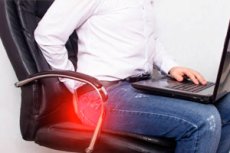
Hemorrhoid prevention in modern medicine is not based on "strengthening blood vessels" with random home remedies, but on reducing constipation, straining, and anal trauma during bowel movements. The American Society of Colon and Rectal Surgeons, in its 2024 clinical guidelines, lists dietary and behavioral changes as the first line of treatment, and the National Institute of Diabetes and Digestive and Kidney Diseases of the United States explicitly states that hemorrhoids can be prevented by consuming fiber, drinking water, avoiding straining, and limiting time spent on the toilet. [1] [2]
This is important from the outset, as many patients perceive prevention as a set of secondary tips "for the future," when in fact, it is precisely this that determines whether hemorrhoids will recur. If the stool remains hard, the person strains, spends a long time on the toilet, and frequently irritates the anal area, any topical remedies are less effective and provide only temporary relief. [3] [4]
Another principle of modern prevention is that it almost completely coincides with the basic treatment of early and mild forms of hemorrhoids. This means that prevention is necessary not only for those who "have nothing yet," but also for those who have already experienced bleeding, itching, prolapsed nodes, or painful flare-ups. In this sense, prevention is not a separate topic after treatment, but an ongoing part of disease management. [5] [6]
According to the UK National Health Service, hemorrhoids are most often associated with constipation, straining, heavy lifting, pregnancy, excess weight, and age. This doesn't mean all these factors are equally modifiable, but it does mean that a significant part of prevention lies in everyday habits, not just in the doctor's office. [7]
Therefore, the most useful practical formula is: hemorrhoid prevention begins with soft, regular bowel movements, continues with proper toilet habits, and is reinforced by a lifestyle that reduces the risk of increased pressure in the hemorrhoidal veins. Everything else builds on this foundation. [8] [9]
The basis of prevention: soft stools and minimal straining
The first and most important link in prevention is to prevent defecation from becoming a regular source of mechanical trauma. The 2024 recommendation emphasizes that constipation predisposes to hemorrhoidal disease, and defecation habits, including frequency, stool consistency, and ease of defecation, must be assessed. This effectively means that prevention without stool monitoring is impossible. [10]
The National Institute of Diabetes and Digestive and Kidney Diseases of the United States puts it very bluntly in its section on prevention: hemorrhoids can be prevented by eating more fiber-rich foods, drinking water and other non-alcoholic liquids, avoiding straining during bowel movements, not sitting on the toilet for too long, and avoiding regular heavy lifting. This formulation is important precisely because it combines diet and behavior into a single preventive strategy. [11]
The American Gastroenterological Association similarly advises patients: soft stools reduce pressure on the veins, thereby reducing the likelihood of symptoms. Clinically, this is one of the most logical and best-documented preventative mechanisms: the softer and easier the stool, the less vascular stress and the lower the risk of bleeding or prolapse. [12]
The National Health Service of Scotland adds an important detail: don't delay going to the toilet when the urge arises. Ignoring the urge makes stools drier and harder, which then increases straining. This seems like a small thing, but it is precisely these repeated small things that contribute to chronic exacerbations. [13] [14]
Therefore, prevention at this level seems very simple, but it requires discipline: stools should be regular, soft, without delays and without prolonged attempts to "squeeze" the intestines with force. If this is not the case, prevention has already been compromised, even if a person uses good suppositories or creams. [15] [16]
Table 1. Basic actions that really reduce the risk of hemorrhoids
| Measure | How does it help? |
|---|---|
| Soft, regular stools | Reduces trauma to nodes and mucous membranes |
| Refusal to strain | Reduces pressure in hemorrhoidal veins |
| Toilet time limit | Reduces venous congestion |
| Timely defecation | Prevents stool from becoming dry and hard |
| Adequate water and fiber | Makes prevention physiological and sustainable |
Sources for the table. [17]
Nutrition and fiber: the main dietary tool for prevention
In modern hemorrhoid prevention, diet is primarily considered through fiber. The National Institute of Diabetes and Digestive and Kidney Diseases of the United States writes that high-fiber foods make stool softer and easier to pass and can help treat and prevent hemorrhoids. This is one of the most clear and practical preventative guidelines on the entire topic. [18]
The same source points out that water and other fluids should be combined with fiber, as fluids help fiber function properly. However, fluid intake shouldn't be reduced to the casual advice "drink more." The National Institute of Diabetes and Digestive and Kidney Diseases of the United States specifically recommends discussing the right amount of fluid with a doctor, taking into account your health, activity level, and lifestyle. [19]
For a guide to fiber intake, the National Institute of Diabetes and Digestive and Kidney Diseases (NIDD) in the United States provides data on constipation: adults typically require 22-34 grams of fiber per day, depending on age and gender. This isn't a specific "hemorrhoid dose," but it is a useful guide for preventing hard stools, which contribute to hemorrhoid symptoms. [20]
The National Health Service in Scotland and Guy's and St. Thomas' Hospital in London recommend increasing fiber gradually. This is important, as a sudden increase in fiber can cause bloating and discomfort, leading people to stop taking preventative measures after a few days. Proper hemorrhoid prevention should be sustained, not heroic, two-day regimens. [21] [22]
The best foods for everyday prevention remain whole grains, vegetables, fruits, legumes, nuts, seeds, and oats. If you can't get enough fiber from your diet, the National Institute of Diabetes and Digestive and Kidney Diseases of the United States recommends fiber supplements, such as psyllium. In the context of hemorrhoid prevention, this isn't a "pharmacy trick," but a completely rational way to achieve soft stools. [23] [24]
Table 2. Products that are best suited for the prevention of hemorrhoids
| Product group | Why is it useful? |
|---|---|
| Oats and whole grain cereals | Provides soluble and insoluble fiber |
| Whole grain breads and cereals | Helps you get your daily fiber intake |
| Vegetables | Increases stool volume and softness |
| Fruits | Add fiber and fluid |
| Legumes | One of the richest sources of fiber |
| Seeds and nuts | They help diversify the diet and add fiber |
| Psyllium | Useful if nutrition is insufficient |
Sources for the table. [25]
Toilet Habits and Hygiene: An Underrated Part of Prevention
Hemorrhoid prevention almost always breaks down not in diet, but in toilet habits. The National Institute of Diabetes and Digestive and Kidney Diseases of the United States specifically recommends avoiding straining during bowel movements and not sitting on the toilet for too long. For many patients, these two habits prove crucial. [26]
Sitting on the toilet for too long seems harmless, but the clinical logic is clear: the longer a person sits and strains, the higher the pressure in the venous plexuses of the anal canal. Therefore, reading the phone, newspapers, or simply the habit of "sitting until the end" works against prevention. This is one of those everyday details that is worth changing first. [27] [28]
In their information on haemorrhoids during pregnancy, the National Health Service of Scotland and the UK National Health Service Medicines Information Service also emphasize the importance of not holding in stool and avoiding excessive straining. Even if a person eats properly, holding in or "pushing out" stool can reduce the preventive effect to almost nothing. [29] [30]
Anal hygiene is especially important. The UK National Health Service recommends gently cleaning the area after defecation and avoiding rubbing, and during pregnancy, it recommends using damp paper towels and blotting rather than rubbing. This may seem like a small thing, but excessive friction can increase itching, skin irritation, and a subjective feeling of "flare-up." [31] [32]
Therefore, effective prevention in a practical sense seems almost boring: a timely visit to the toilet, short bowel movements without straining, avoiding prolonged sitting, and gentle hygiene after bowel movements. It is precisely these simple measures that best align with clinical recommendations and the actual mechanism of the disease. [33] [34]
Table 3. Useful and harmful toilet habits for the prevention of hemorrhoids
| A useful habit | Bad habit |
|---|---|
| Go to the toilet at the first urge | To endure for a long time |
| Defecation without straining | Trying to force the stool out |
| A short stay on the toilet | Sitting for a long time with a phone or a book |
| Careful hygiene | Harsh rubbing and excessive cleaning |
| Gently pat dry the skin | Rub the skin with dry paper |
Sources for the table. [35]
Movement, weight, heavy loads and pregnancy
While the primary preventative measure for hemorrhoids is bowel movements, lifestyle also plays a significant role. The UK National Health Service lists constipation, straining, heavy lifting, pregnancy, age, and excess weight as factors that increase the likelihood of hemorrhoids. This isn't a list of "don'ts," but rather a list of areas where prevention can involve changing everyday behavior. [36]
Regular physical activity is beneficial primarily as a way to prevent constipation. The Centers for Disease Control and Prevention in the United States recommends that adults get at least 150 minutes of moderate physical activity per week and two days of muscle-strengthening exercise. For hemorrhoids, this is important not as a stand-alone "treatment" for the nodes, but as a contribution to regular bowel function and weight management. [37]
Heavy lifting requires a more cautious approach. The National Institute of Diabetes and Digestive and Kidney Diseases in the United States explicitly includes avoiding regular heavy lifting in its preventive recommendations, and the UK's National Health Service lists heavy lifting as a risk factor. This doesn't mean a complete ban on sports or strength training, but it does mean that regularly increasing intra-abdominal pressure can contribute to the disease. [38] [39]
During pregnancy, prevention is based on the same mechanisms, but with greater caution. The American College of Obstetricians and Gynecologists and the UK National Health Service recommend eating more fiber, drinking enough fluids, exercising regularly, avoiding constipation, and avoiding standing or sitting for long periods to prevent hemorrhoids during pregnancy. This is especially important for pregnant women, as pregnancy itself increases venous pressure and predisposes to constipation. [40] [41]
Excess weight also appears to be a significant factor. The UK's National Health Service specifically lists excess weight as a condition that increases the incidence of hemorrhoids. Therefore, long-term prevention for some patients logically includes weight management, but avoids extreme diets, which, on the contrary, can worsen constipation. [42]
Table 4. What lifestyle factors should be considered in prevention?
| Factor | Practical preventive meaning |
|---|---|
| Regular walking and general physical activity | Helps against constipation and physical inactivity |
| Avoiding regular heavy lifting | Reduces intra-abdominal pressure surges |
| Weight control | Removes 1 of the risk factors |
| Pregnancy | Requires more careful prevention of constipation |
| Long periods of sitting and standing | May increase congestion and discomfort |
| Sedentary lifestyle | Increases the likelihood of constipation |
Sources for the table. [43]
Prevention of relapses after treatment and after exacerbation
Once symptoms have subsided, prevention becomes even more important, as this is when patients most often give up. Guy's and St. Thomas' Hospital in London clearly states that plenty of fiber and fluids help make stools softer and easier to pass and can reduce the likelihood of hemorrhoids returning. This is a good clinical guideline: the absence of pain does not necessarily mean the risk of recurrence has disappeared. [44]
The American Society of Colon and Rectal Surgeons, in its 2024 guidelines, cites data showing that fiber reduces the risk of persistent symptoms and bleeding. This means that dietary and behavioral measures are needed not only during an exacerbation but also afterward, otherwise the disease quickly returns to the same cycle of "constipation, straining, bleeding, more treatment." [45]
After procedures and surgeries, the logic is the same, although the emphasis becomes even more stringent. Postoperative materials and reviews emphasize the importance of preventing constipation and soft stools, as straining after surgery increases pain, bleeding, and the risk of recurrence. Here, prevention is not just helpful, but also aids healing. [46]
The National Health Service in Scotland recommends gradually increasing fiber intake, drinking more water, reducing caffeine and alcohol, and not delaying toilet visits. This approach is especially helpful after treatment, as it shifts the patient from "fighting the flare-up" mode to "preventing the disease from returning." [47]
Good relapse prevention is always more boring than the patient would like. There's no "secret cure," but it does include a stable diet, normal bowel movements, moderate activity, proper hygiene, and the absence of a habit of holding in. These measures are the most widely supported by modern sources and are most effective over the long term. [48] [49]
Table 5. What helps reduce the risk of recurrence of symptoms
| Measure after exacerbation or treatment | Why is this important? |
|---|---|
| Maintain fiber in your diet daily | Prevents stools from becoming hard again |
| Drink water regularly, not occasionally | Supports fiber function |
| Don't sit on the toilet for a long time | Reduces congestion and straining |
| Don't put down your chair | Reduces the risk of dry stools |
| Maintain moderate physical activity | Helps keep bowels working regularly |
| Return to the doctor if bleeding or loss occurs again. | Helps to prevent the progression of the disease |
Sources for the table. [50]
FAQ
Is it possible to completely prevent hemorrhoids by following all recommendations?
There is no absolute guarantee, as risk is influenced by age, pregnancy, and individual tissue characteristics, but modern sources agree that fiber, water, soft stools, avoiding straining, and proper toilet habits significantly reduce the likelihood of symptoms and recurrence. [51] [52]
How much fiber do you need for prevention?
The National Institute of Diabetes and Digestive and Kidney Diseases recommends 22–34 grams of fiber per day for adults, depending on age and gender. But it's not just the amount that's important; it's also the gradual increase to avoid bloating and preventative measures. [53] [54]
Is it true that constipation is the main enemy of prevention?
Yes, it is one of the most well-documented factors. The 2024 clinical guidelines explicitly state that constipation predisposes to hemorrhoidal disease, and prevention is based on softening stools and reducing straining. [55]
Should you drink a lot of water?
It's not extreme, but enough fluid for fiber to function properly. The National Institute of Diabetes and Digestive and Kidney Diseases recommends following your doctor's recommendations based on your health, activity level, and lifestyle, rather than relying on random, universal figures from the internet. [56]
Can exercise help prevent hemorrhoids?
Yes, regular moderate physical activity is beneficial because it helps combat constipation and physical inactivity. However, regular heavy lifting can actually increase the risk of symptoms, so exercise should be assessed not only by its benefits to the muscles but also by its impact on intra-abdominal pressure. [57] [58]
What should a pregnant woman do to prevent hemorrhoids?
The key measures are fiber, adequate fluid intake, regular exercise, constipation prevention, and minimizing prolonged sitting or standing. These recommendations are supported by both the American College of Obstetricians and Gynecologists and the UK National Health Service. [59] [60]
If symptoms have already subsided, can prophylaxis be relaxed?
This is when it is often abandoned, increasing the risk of relapse. Modern sources show that measures to reduce constipation and straining are useful not only during an exacerbation but also afterward, to prevent symptoms from returning. [61] [62]
Key points from experts
Alexander T. Hawkins, MD, MPH, FACS, is an associate professor of surgery, vice chair of clinical research, and director of the Colorectal Research Center at Vanderbilt University Medical Center. His primary prevention thesis, reflected in the 2024 clinical guidelines, is that improving diet and bowel habits is paramount for hemorrhoid management. This makes fiber, fluids, and straining less of a general strategy and more of a central preventive strategy. [63] [64]
Bradley R. Davis, MD, MBA, a board-certified colorectal surgeon, is the director of colorectal surgery at Atrium Health and a co-author of the 2024 clinical guidelines. The practical implication, which aligns well with his work on the guidelines' writing committee, is that hemorrhoid prevention is impossible without reducing the causes of chronic anal stress, primarily constipation and straining. This is not a separate adjunct to treatment, but its foundation. [65] [66]
Satish S. C. Rao, MD, PhD, is a professor of medicine at Augusta University and an expert in constipation, bowel motility, and anorectal disorders. His expertise is particularly relevant to the topic of prevention: until constipation and bowel dysfunction are corrected, any local intervention will be of limited effectiveness. This is a conclusion drawn from his expertise and from current hemorrhoid guidelines, not a verbatim quote from a single document, but it best explains why prevention in patients with hemorrhoids almost always begins with the bowel, not with ointments. [67] [68]
Conclusion
Hemorrhoid prevention relies on five key pillars: fiber, fluids, soft stools, avoiding straining, and keeping toilet time short. Everything that is actually confirmed by modern sources boils down to these measures, one way or another. [69] [70]
The most helpful approach to prevention is not as a temporary diet or a set of random tips, but as a daily routine that reduces pressure on hemorrhoids and prevents the disease from relapsing into a cycle of flare-ups. The more consistent these habits are, the lower the risk of bleeding, pain, prolapse, and recurrence of hemorrhoids. [71] [72]