
Medical expert of the article

New publications
Dill for constipation: does it help the intestines and where are the limits of its benefits?
Last updated: 11.04.2026

All iLive content is medically reviewed or fact checked to ensure as much factual accuracy as possible.
We have strict sourcing guidelines and only link to reputable media sites, academic research institutions and, whenever possible, medically peer reviewed studies. Note that the numbers in parentheses ([1], [2], etc.) are clickable links to these studies.
If you feel that any of our content is inaccurate, out-of-date, or otherwise questionable, please select it and press Ctrl + Enter.
Constipation isn't just about infrequent bowel movements. Modern gastroenterological sources define it as a condition in which stool occurs less than three times a week, is hard, dry, painful, or is accompanied by a feeling of incomplete evacuation. This is important from the very beginning, because people often seek a "gentle home remedy" not for a single symptom, but for a whole range of unpleasant sensations. [1]
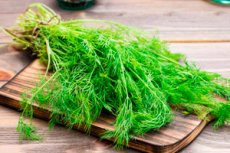
Interest in dill is no coincidence. Traditionally, dill and its seeds have long been associated primarily with the reduction of bloating, gas, cramps, and dyspepsia. In modern scientific literature, dill is also described as a plant traditionally used as a carminative and antispasmodic, that is, as a product that alleviates gas and intestinal discomfort. [2]
From this, common sense takes it a step further: if dill reduces gas and "soothes the stomach," then it must also help with constipation. But from a medical perspective, this is too bold a conclusion. Bloating, heaviness, and constipation often go together, but a remedy that relieves spasms or gas doesn't necessarily increase bowel frequency or significantly change stool consistency. [3]
Modern recommendations for chronic constipation take a completely different approach. They emphasize adequate dietary fiber intake, water, physical activity, bowel training, and, if necessary, laxatives or other medications with proven effectiveness. Dill is not listed as a standard treatment for constipation in these guidelines. [4]
Therefore, it's helpful to establish an honest position from the outset. Dill can be discussed as a food product and as a possible adjunctive measure for some people with mild functional intestinal discomfort. However, there is currently no basis for presenting it as a proven laxative at the clinical recommendation level. [5]
| Question | What is known today |
|---|---|
| Can dill improve intestinal comfort? | Yes, that's plausible. |
| Is dill proven to cure constipation? | No, there is little convincing data. |
| Does dill have traditional uses for gas and cramps? | Yes |
| Is dill included in modern standards for treating constipation? | No |
| Can it be considered only as a dietary supplement? | Yes |
The table summarizes the differences between traditional use of dill and modern standards of constipation management.[6]
What in dill could theoretically be beneficial for the intestines?
Dill is more than just an aromatic herb. Research publications consider its leaves and seeds a source of plant compounds, and dill essential oils are associated with antioxidant, antimicrobial, and antispasmodic properties. In one clinical study, the authors explicitly state that dill leaves contain dietary fiber, and the oils possess antimicrobial and antispasmodic properties. [7]
Translated into plain English, dill has at least two theoretically interesting effects. The first is dietary fiber, which essentially helps stool become bulkier and easier to pass through the intestines. The second is a possible antispasmodic and carminative effect, which can reduce feelings of distension, bloating, and internal tension in the abdomen. [8]
But there's a crucial caveat here. The presence of dietary fiber in a product is one thing, and the actual amount in a typical serving is quite another. The National Institute of Diabetes and Digestive and Kidney Diseases in the United States recommends adults get 22-34 grams of dietary fiber per day, while the World Gastroenterology Organization recommends gradually increasing the daily fiber intake to 20-30 grams. In typical culinary use, dill is more often used as a seasoning or additive to dishes, rather than as the primary source of daily fiber. [9]
Therefore, one shouldn't expect a small amount of fresh dill to produce the same effect as a full increase in vegetables, fruits, legumes, whole grains, or fiber supplements. Theoretically, dill contributes to the overall diet, but in practice, it rarely becomes the primary tool for constipation correction if the overall diet remains low in fiber. This is a logical conclusion from dill's role as a seasoning and the target fiber values in the recommendations. [10]
There's another side to the issue. Foods and herbs that promote intestinal comfort don't always affect the main criterion for constipation—regularity and ease of bowel movements. A person may experience less gas and less cramping, but this doesn't necessarily mean bowel movements will become regular. For dill, this distinction is crucial: theoretical benefits for intestinal comfort don't equate to proven laxative effects. [11]
| Component or property | What could this mean for the gut? |
|---|---|
| Dietary fiber in leaves | Theoretically maintains stool volume |
| Essential oils | May be associated with antispasmodic action |
| Carminative traditional use | May reduce gas and bloating |
| Antimicrobial and antioxidant properties | Interesting biologically, but no proven effect on constipation |
| Small culinary portion | Typically does not replace full fiber augmentation |
The table shows that dill has plausible mechanisms for relieving gastrointestinal discomfort, but no proven independent mechanism for treating constipation.[12]
What the research has shown and why the evidence is still scant
The most significant problem with the topic of "dill for constipation" is that there are almost no direct, high-quality clinical studies specifically in adults with functional constipation. Current constipation guidelines list specific evidence-based approaches—dietary fiber, polyethylene glycol, magnesium oxide, lactulose, bisacodyl, sodium picosulfate, senna, and a number of prescription medications—but dill is not included in these lists. This in itself indicates an insufficient clinical base. [13]
However, the literature is not entirely empty. In a 2020 randomized, double-blind, placebo-controlled study of 42 patients with type 2 diabetes who had gastrointestinal symptoms, 3 grams of dill powder daily for 8 weeks resulted in a statistically significant reduction in the incidence of colonic motility disorders. However, this study was not conducted in people with specifically diagnosed functional constipation, but in patients with diabetes and a broader range of complaints. [14]
This study is interesting because it provides at least an indirect clinical signal in favor of dill's effect on intestinal motility. However, it does not answer the main practical question for the average reader: will dill help a non-diabetic person with chronic idiopathic constipation, and will this effect be clinically significant in terms of stool frequency, consistency, and straining? Current data do not provide such an answer. [15]
Another randomized, double-blind, placebo-controlled study focused not on constipation, but on postoperative bloating and gas after cesarean section. In it, dill essential oil reduced flatulence and pain more than placebo. This demonstrates that dill can indeed influence intestinal comfort, but again does not prove its effectiveness as a treatment for constipation. [16]
That's why the most honest formulation is this: dill has limited indirect evidence for alleviating some gastrointestinal symptoms, but direct, large, and well-reproducible studies specifically on functional constipation are still lacking. In the language of evidence-based medicine, this means dill cannot be lumped in with approaches already included in guidelines. [17]
| Data type | What is shown | What does this mean in practice? |
|---|---|---|
| Guides to Constipation | Dill is not listed among the standard remedies. | There is no strong evidence base |
| A study in patients with diabetes mellitus | The incidence of colon motility disorders has decreased | There is a signal, but it is indirect. |
| Post-cesarean section examination | Gas formation and pain have decreased | This is about comfort, not a proven cure for constipation. |
| Traditional use | Dill has long been used for bloating and cramps. | Tradition does not equal clinical evidence |
| General conclusion | There is insufficient direct data on constipation | Dill can only be considered as an auxiliary measure |
The table helps to highlight the key distinction between interesting observations and the level of evidence sufficient for a clinical recommendation.[18]
Where dill can help indirectly, even if it is not a standard laxative
For some people, the main subjective component of constipation is not only infrequent bowel movements, but also bloating, distension, heaviness, and a feeling of "stiffness." The National Institute of Diabetes and Digestive and Kidney Diseases (USA) explains that gas and bloating occur when bacteria in the colon break down undigested carbohydrates, including some fiber. If dill reduces spasms or helps manage gas, a person may experience noticeable relief, even if stool frequency changes little. [19]
This is especially important because many home remedies are evaluated not by strict stool criteria, but by overall well-being. If, after eating dill, there's less bloating, less bloating, and easier gas passage, a person may feel as if the remedy "helped with constipation." This may be true from a symptomatic perspective, but from the perspective of treating constipation as a bowel disorder, it's not necessarily true. [20]
There's another caveat. The US National Institute of Diabetes and Digestive and Kidney Diseases recommends adding dietary fiber gradually, as too much fiber can increase gas production. Therefore, during the transition to a healthier diet, dill could theoretically play a supporting role in some people, making the transition more comfortable, although it doesn't replace the need to bring fiber levels up to working levels. [21]
However, this indirect comfort effect shouldn't be misleading. If a person continues to eat few fiber-rich foods, drink little, ignore the urge to defecate, and lead a sedentary lifestyle, dill alone won't solve the problem. Current recommendations emphasize that the basis of treatment remains diet, water, physical activity, and, if necessary, pharmacological agents with proven efficacy. [22]
Thus, dill may have one reasonable niche: not as a standalone laxative, but as a dietary supplement that, in some people, reduces gas, cramping, and subjective abdominal heaviness. This is a moderate and realistic role, which is much more consistent with the available data than the promise of "dill will quickly improve bowel movements." [23]
| Situation | Can dill be useful? |
|---|---|
| Bloating and distension associated with constipation | Sometimes yes |
| Gas formation with increasing fibers | Sometimes yes, as an auxiliary measure |
| Chronic loose stools without other dietary changes | Usually not enough |
| Severe persistent constipation | No, this is not enough |
| Need quick evidence-based help | It is better to rely on recommendations |
The table reflects the real place of dill as an adjunct product for symptomatic comfort, and not as a primary treatment for constipation.[24]
Who might not be suitable for dill and where safety restrictions apply
As a food, dill is generally well-tolerated. The National Institutes of Health's Drug and Lactation Database lists dill as generally recognized as safe as a food and as generally well-tolerated. However, isolated cases of allergic skin reactions have been reported, especially after contact with fresh dill. This reminds us that even common herbs are not completely neutral for everyone. [25]
Another limitation is that when people use the term "dill for constipation," they sometimes mean not only the greens in a salad, but also infusions, concentrated powders, seeds, or essential oils. These are not the same in composition or potency. A study following a cesarean section used dill essential oil in a short-term regimen, while a study in patients with diabetes used 3 g of dill powder per day for 8 weeks. These findings cannot be directly applied to a common culinary supplement. [26]
It's also important to remember the other side of dietary adjustments. If a person suddenly increases their intake of greens, seeds, fiber, or other plant foods, gas production may increase. The National Institute of Diabetes and Digestive and Kidney Diseases (USA) clearly explains that bacteria in the colon break down undigested carbohydrates and some fiber, producing gas, and therefore it's best to transition to a more fibrous diet gradually. [27]
There are also situations when it's too late to discuss dill as a home remedy. If constipation doesn't resolve with self-care, there's blood in the rectum, blood in the stool, persistent abdominal pain, or other signs of a serious problem, you should consult a doctor. The National Institute of Diabetes and Digestive and Kidney Diseases (NID) specifically highlights these warning signs. [28]
Furthermore, constipation isn't always caused by food alone. It can be aggravated by medications, changes in routine, age, travel, ignoring the urge to defecate, and various illnesses. Therefore, even a completely safe food product shouldn't mask a situation that requires an examination, clarification of the cause, and possibly more serious treatment. [29]
| Limitation | Why is it important? |
|---|---|
| Allergy or skin reaction | Dill is not suitable for everyone |
| The difference between herbs and extracts | These are products with different strengths of action. |
| A sharp increase in plant foods | May increase gas formation |
| Blood in the stool or persistent pain | Requires medical evaluation |
| Long-term constipation with no effect from self-help | We need to find the cause, not just home remedies. |
The table helps separate safe culinary uses of dill from situations where self-medication becomes a mistake. [30]
What really works for constipation and what place does dill have in real-life practice?
Modern evidence-based treatment strategies for constipation are based on a stepwise approach. The National Institute of Diabetes and Digestive and Kidney Diseases (USA) recommends increasing fiber intake, drinking enough water, being physically active, and exercising the bowels, such as trying to have a regular bowel movement, including 15-45 minutes after breakfast. These measures are considered a foundation, not a supplement. [31]
If these measures aren't enough, a joint guideline from the American Gastroenterological Association and the American College of Gastroenterology lists specific treatment options. For adults with chronic idiopathic constipation, fiber supplements, polyethylene glycol, magnesium oxide, lactulose, bisacodyl, sodium picosulfate, senna, and a number of prescription medications are suggested. This is the current standard against which any home remedies should be compared. [32]
The World Gastroenterology Organization also emphasizes a stepwise approach and distinctions between types of constipation. It specifically notes that chronic constipation can be associated with both impaired colonic transit and bowel movement disorders, and diagnosis in some cases requires specialized testing. This is important because dill does not address pelvic floor muscle dysfunction or significant transit delays, if these are the underlying causes of the symptoms. [33]
From a practical standpoint, dill's role is modest, but not insignificant. It can be used as part of a diet, especially if it makes food more palatable, encourages more vegetable consumption, and reduces the subjective feeling of bloating. However, when it comes to true chronic constipation, dill should not replace measures whose effectiveness has already been confirmed in guidelines. [34]
The most accurate conclusion is this: dill is an acceptable dietary supplement for some people with mild functional bowel discomfort, but it is not a proven primary treatment for constipation. The longer and more severe the problem, the less hope there is for dill and the more sense there is in diagnosing the cause and adopting evidence-based, step-by-step therapy. [35]
| Approach | How effective is it for constipation? |
|---|---|
| Adequate amount of dietary fiber | Well confirmed |
| Drinking enough fluids | Well proven as part of basic tactics |
| Physical activity and bowel training | Supported by manuals |
| Polyethylene glycol and other recommended preparations | Confirmed best |
| Dill as a food component | Admissible, but poorly proven |
| Dill as a replacement for standard treatment | Not justified |
The table sets priorities in the same way as modern gastroenterology does. [36]
FAQ
Does dill help with constipation directly?
There is currently no convincing evidence that dill alone reliably treats chronic constipation. There is limited and indirect evidence on its effects on gas, cramping, and some gastrointestinal symptoms, but this is insufficient to consider dill a proven laxative. [37]
Can fresh dill provide any relief?
Yes, this is possible for some people, especially if bloating, a feeling of heaviness, and discomfort after eating are prominent. However, this effect is more likely related to the tolerability of the food and its possible carminative effect than to a confirmed increase in bowel frequency. [38]
What's better for constipation: dill or a full-fledged increase in dietary fiber?
Increasing dietary fiber intake is incomparably more important. Current recommendations call for 22-34 grams of fiber per day for adults, or a gradual increase to 20-30 grams per day. Dill can be part of the diet, but is generally not sufficient to provide this level on its own. [39]
Can you drink infusions or use dill seeds instead of laxatives?
There is no reliable evidence base for such a replacement. Studies with dill used either powder in patients with diabetes or essential oil in the postoperative situation, and these regimens cannot be automatically transferred to home treatment of chronic constipation. [40]
Can dill make bloating worse?
It's not dill itself, but rather a general, sharp increase in plant foods and fiber that can increase gas production. Therefore, any dietary changes are best made gradually. This is especially important for people with sensitive intestines and a tendency toward bloating. [41]
When do you really need a doctor, and not experiments with dill?
If there is blood in the stool, rectal bleeding, persistent abdominal pain, prolonged constipation that doesn't respond to self-care, or other signs of a medical problem, a medical evaluation is necessary. In these situations, home remedies should not delay diagnosis. [42]
Key points from experts
Lin Chang, MD, professor of medicine at the University of California, Los Angeles, is an expert in gut-brain disorders, including chronic constipation, and a co-author of the 2023 joint American Gastroenterological Association/American College of Gastroenterology guideline.
Her work and co-authorship of the guideline highlight a key practical takeaway: when it comes to chronic constipation, decisions should be based on the strength of evidence, not the popularity of an herbal remedy. For dill, this means it can remain part of the diet, but it shouldn't displace other treatments already included in the recommendations. [43]
William D. Chey, MD, H. Marvin Pollard Professor of Gastroenterology, Professor of Nutritional Sciences, and Chief of the Division of Gastroenterology and Hepatology at the University of Michigan, is a co-author of the same guideline.
His expertise in the current constipation literature centers on step-by-step, rational treatment. In the context of dill, this means a simple distinction: it's acceptable to use it as part of the diet, but there's no need to delay moving on to more effective therapy if the problem becomes chronic and severe. [44]
Adil E. Bharucha, MD, professor of gastroenterology and hepatology at the Mayo Clinic, is a researcher in the pathophysiology of anorectal and pelvic disorders and a specialist in chronic constipation and pelvic floor dysfunction.
His research further underscores another important point: constipation is often associated not only with diet but also with impaired colonic motility or bowel habits. Therefore, any dietary remedy, including dill, has limited effectiveness if the underlying mechanism of the problem lies deeper than dietary composition. [45]
Conclusion
Dill for constipation is neither a myth nor a miracle cure. It has plausible properties associated with reducing gas, spasms, and some intestinal discomfort, and some studies provide indirect evidence of an effect on motility. However, direct, high-quality evidence that dill is a reliable and independent treatment for chronic constipation is currently insufficient. [46]
The most sensible role of dill is as a dietary supplement, not a replacement for evidence-based therapy. For mild functional discomfort, it may be helpful for some people. However, for persistent constipation, pain, blood in the stool, or the lack of response to self-care, dill should be used instead of relying on a comprehensive diagnosis of the underlying cause and step-by-step treatment according to current recommendations. [47]