
Medical expert of the article

New publications
Preparations
Liquid chestnut for weight loss
Last reviewed: 03.07.2025

All iLive content is medically reviewed or fact checked to ensure as much factual accuracy as possible.
We have strict sourcing guidelines and only link to reputable media sites, academic research institutions and, whenever possible, medically peer reviewed studies. Note that the numbers in parentheses ([1], [2], etc.) are clickable links to these studies.
If you feel that any of our content is inaccurate, out-of-date, or otherwise questionable, please select it and press Ctrl + Enter.
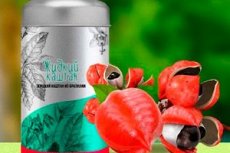
Those who want to lose weight do not stop looking for all sorts of means that would speed up the desired elimination of extra pounds. One of such newfangled means is liquid chestnut for weight loss: it is a biologically active supplement, the main ingredient of which is ground guarana seeds. The annotation to the drug states that it significantly dulls the feeling of hunger, "burns" fatty tissue, normalizes tone and adds energy and vigor.
What exactly is this substance – liquid chestnut?
Indications Liquid chestnut for weight loss
As a rule, liquid chestnut is used for weight loss, as the manufacturer of the dietary supplement promises stimulation of calorie burning, increased endurance during exercise and effective weight loss.
In addition, other properties of liquid chestnut for weight loss are known:
- a herbal remedy that helps cleanse the body of toxic substances, normalizes metabolic processes, and improves the absorption of nutrients from food;
- as a result of the action of liquid chestnut, the acute feeling of hunger disappears, the desire to overeat and "eat away" disappears;
- muscle tone is normalized, a feeling of a surge of strength and vigor appears, which leads to an increase in the effect of physical activity;
- blood circulation and metabolic processes are accelerated, fat cells decrease in volume, which affects not only weight loss, but also the disappearance of cellulite;
- the immune system is strengthened, the body becomes more resistant to negative external and internal influences.
Thus, the manufacturer recommends taking liquid chestnut extract for weight loss, to eliminate signs of cellulite, for general cleansing of the body, to strengthen the immune system and increase endurance.
Pharmacodynamics
Let's talk about how beneficial liquid chestnut is for the body, and whether this drug can cause harm.
- First, let's talk about the benefits of liquid chestnut.
The main benefit of liquid chestnut is its ability to promote weight loss. Everyone knows that excess weight increases the risk of developing heart and vascular diseases, as well as diabetes. In addition, people with a normal and slim physique live longer.
In addition, liquid chestnut gives a person energy, which makes him move more and lead a more active lifestyle. This property of the supplement is especially important for people suffering from physical inactivity, slow metabolism, or hypotension.
An additional property of liquid chestnut is the suppression of platelet aggregation, which directly affects the slowing of blood clotting. This effect can be useful in thrombosis, thrombophlebitis, and even in constant headaches - migraines.
- Can liquid chestnut cause harm?
Unfortunately, any remedy that is not officially recognized as a medicine or preventive remedy can cause harm to the body. The extent of such harm may depend on the dosage, as well as on the characteristics of the body of a particular person.
For example, the fact that liquid chestnut increases blood pressure may have a negative impact on the health of patients with a tendency to hypertension. To avoid a negative reaction, the drug should be taken in the morning. If liquid chestnut is consumed at night, it may affect the quality of sleep.
Liquid chestnut helps activate digestive enzymes. This property can be harmful if the patient has gastritis, esophagitis or peptic ulcer.
In addition, one of the properties of liquid chestnut is slowing down blood clotting. This can be dangerous in some genetic diseases associated with thrombus formation disorders, as well as in anemia, thrombocytopenia, etc.
Liquid chestnut also has some diuretic properties, which, when used over a long period of time, can cause electrolyte imbalances.
The stimulating effect on the nervous system can eventually lead to apathy, depression, chronic fatigue, etc.
Liquid Chestnut Composition for Weight Loss
The fruits of the Amazonian guarana, which are the same liquid chestnut, have long been known in South American and European countries. In Brazil, for example, guarana is valued for its stimulating properties, which can only be compared to coffee beans. At the same time, the tonic effect lasts longer than from drinking coffee.
Amazonian guarana contains the following substances:
- polyphenols;
- xanthines (alkaloids);
- B vitamins, ascorbic acid and tocopherol;
- theobromine;
- theophylline.
The listed substances determine the various properties of liquid chestnut.
Theophylline is present in the leaves of the tea tree. Theobromine is most often extracted from cocoa beans. These ingredients are powerful antioxidants that help prolong youth and health.
Dosing and administration
The correct use of liquid chestnut for weight loss involves taking the drug according to the following scheme:
- Mix 2 measuring spoons of powder in a glass of liquid (any drinking liquid) and drink;
- course of admission – 1-1.5 months.
The next course can be started no earlier than in one and a half to two weeks.
It is recommended to take the powder in the first half of the day to avoid insomnia and irritability.
To speed up the process of losing weight, you need to follow a moderate diet:
- do not overeat;
- do not eat at night and especially not at night;
- limit the amount of salt;
- give up sugar, flour and yeast products;
- drink enough clean water or herbal teas (chamomile, lemon balm).
One package of liquid chestnut for weight loss can last for about 1-1.5 months.
Use Liquid chestnut for weight loss during pregnancy
During pregnancy, the issue of extra pounds is usually very acute. It rarely happens that a woman immediately after giving birth returns to her previous body weight, which she had before pregnancy. For this reason, many expectant mothers are interested in whether it is possible to take liquid chestnut for weight loss during the process of bearing a baby?
Let's be honest: there have been no studies on the possible impact of the liquid chestnut preparation on the course of pregnancy and the growing fetus. That is why doctors consider this period a contraindication to taking the weight loss product.
However, there is another significant reason why pregnant women are prohibited from using liquid chestnut - these are the stimulating properties of the drug. As is known, doctors do not recommend expectant mothers to drink coffee or even strong tea, so this drug is also strictly prohibited.
The advice is simple: if a pregnant woman is afraid of gaining weight, she should follow the following rules:
- stick to a daily routine, get enough sleep;
- eat properly and nutritiously, but do not overeat;
- regularly perform simple gymnastic exercises for pregnant women;
- walk in the fresh air.
Some women successfully practice yoga, breathing exercises, and swimming during this period.
Contraindications
Liquid chestnut for weight loss can not be used by everyone, since any means, including dietary supplements, have their own contraindications:
- tendency to hypertension, periodic high blood pressure;
- insufficient blood clotting;
- mental illness;
- heart rhythm disturbances;
- history of myocardial infarction;
- history of acute cerebrovascular accident;
- increased intraocular pressure;
- age under 18;
- period of pregnancy and breastfeeding;
- special sensitivity of the body, expressed in possible allergies.
In addition, liquid chestnut is not recommended:
- for gastritis and peptic ulcer;
- if the thyroid gland is not functioning properly;
- for chronic systemic pathologies, epilepsy.
 [ 9 ]
[ 9 ]
Side effects Liquid chestnut for weight loss
Liquid chestnut also has side effects. Some of them are common, while others have been observed only in isolated cases. However, you should be aware of such symptoms and be prepared for their appearance.
Here is a list of possible side effects:
- increased heart rate;
- high blood pressure;
- pain behind the breastbone, in the area of the heart projection;
- hot flashes;
- increased sweating;
- bowel disorder;
- pain in different parts of the abdomen;
- sensation of noise in the ears;
- transient visual impairment;
- anxiety, worry;
- headaches;
- difficulty falling asleep, insomnia;
- mood instability;
- agitation, irritability;
- skeletal muscle cramps;
- rapid breathing, shortness of breath;
- allergic reactions.
Such phenomena may occur with incorrectly calculated dosage or with excessive susceptibility of the organism to this drug. If this happens, it is advisable to contact a doctor and consult.
Overdose
A large list of contraindications and side effects allows us to make sure that liquid chestnut for weight loss is not such a safe remedy. Of course, if you stick to the dosage, and also undergo the necessary diagnostic tests before starting to take the dietary supplement, then, in most cases, complications should not arise.
When using a large amount of the product, symptoms similar to side effects may appear. However, their severity may be much greater. If this happens, you should definitely induce vomiting, wash out the stomach, and then drink some kind of sorbent drug - for example, activated carbon, or sorbex, or enterosgel. After this, you should consult a doctor and describe the symptoms that have arisen. Further treatment is prescribed depending on the pathological signs detected.
Interactions with other drugs
Before starting treatment with liquid chestnut for weight loss, you should remember a number of undesirable interactions that can cause increased side effects, complications and additional unpleasant symptoms.
Liquid chestnut for weight loss should not be combined with dark chocolate, strong tea and coffee, alcoholic and energy drinks, Coca-Cola. During treatment, it is advisable to give up stimulating sports nutrition, drugs based on caffeine, theophylline and theobromine, as well as other biologically active supplements for weight loss.
If you are undergoing any treatment or are taking maintenance medications on a regular basis, it is recommended that you consult with your doctor before starting treatment.
[ 14 ]
Shelf life
The shelf life of a sealed jar is up to 3 years. An opened jar must be used as soon as possible - within 1-1.5 months.
Real reviews of liquid chestnut for weight loss
Real user reviews of the effect of liquid chestnut are contradictory. We will not hide that many describe the effect of the biologically active supplement with admiration, but some note that they did not notice any special changes.
Most likely, the effect of liquid chestnut for weight loss is individual, as well as the time during which the first results can appear. After all, everyone starts taking the drug with different weight and body characteristics: one needs to lose 50 kg, and another - only 5 kg. The more excess weight a person has, the more he can lose, say, in a week.
Moreover, each person losing weight may need a different amount of time for the components of liquid chestnut to demonstrate a stable and pronounced effect. The effect of the drug can manifest itself within 2 weeks, but it is possible that the first positive results will be detected in a month.
A nutritionist can determine the correct weight loss course more accurately and in more detail, and will examine the problem of excess weight in an individual spectrum.
Another topical topic of reviews is the widespread sale of counterfeit liquid chestnut. Without a doubt, the sale of such weight loss products is a fairly profitable business. Therefore, before buying the drug, be sure to make sure it is original. Ask the seller for certificates and accompanying documentation, inquire about the manufacturer and carefully read the annotation to the dietary supplement.
- The composition and instructions for liquid chestnut must be written clearly, legibly, without errors and inconsistencies.
- The composition must necessarily contain guaranine, theophylline and theobromine.
- The liquid chestnut packaging must be tight, undamaged, with high-quality text and instructions included. The kit must include a measuring spoon for proper dosing of the product.
- The taste of the drug is pleasant, slightly sweet, and does not evoke unpleasant taste associations.
- The color of the powder is brownish, reminiscent of the color of cocoa.
It is most logical to purchase the product from a trusted official representative of liquid chestnut for weight loss. A counterfeit product may be useless at best, and at worst, it can even harm your health.
Doctors' Reviews of Liquid Chestnut for Weight Loss
Those who really care about their health, before taking this or that dietary supplement, consult a doctor. And this is right: after all, a qualified specialist understands the intricacies of the human body better than an ordinary user and knows how this or that drug can affect each specific situation.
Let us give as an example several opinions of doctors regarding such a dietary supplement as liquid chestnut.
- Passive intake of liquid chestnut is unlikely to speed up weight loss. Against the background of the use of dietary supplements, a diet and dosed physical activity are necessarily prescribed.
- Before starting to take the product, it is necessary to undergo an examination: liquid chestnut has a large number of contraindications.
- Consumers should be wary of:
- if the dietary supplement is too cheap or too expensive;
- if the name of the supplement and the manufacturer are unknown to anyone, the drug does not come with a certificate, and the instructions are written without translation or with a large number of errors;
- if the drug is sold on the street, in a passageway, etc.
Advice: never buy a product spontaneously. Approach the purchase of a dietary supplement consciously, having previously collected as much information about the drug as possible. In this case, one of the best options would be a visit to a nutritionist with a list of questions about the supplement being purchased.
Liquid Chestnut Analogues for Weight Loss
There are quite a lot of food supplements that have an effect similar to liquid chestnut. Here we will present to your attention a far from complete list of such weight loss products that are considered the most popular among those losing weight. The criteria for our selection are simple:
- proven drug developer;
- positive user reviews;
- safety for the body;
- minimal number of side effects;
- high percentage of positive results.
- Guarana extract (the same as liquid chestnut extract for weight loss) is a dry powder in capsules that has the same active components and properties as liquid chestnut.
- Ideal figure is a food supplement in the form of a drink that is taken instead of one of the meals. Contains only plant ingredients.
- Fitomucil is a dietary supplement that stimulates bowel function, eliminates hunger and eliminates the habit of constantly snacking. In addition to the above, the drug normalizes the digestive system.
- Green coffee is a biologically active drink that stimulates weight loss. It is effective only in combination with physical exercise and changes in nutrition.
- Turboslim is a herbal supplement that reduces the feeling of hunger, replenishes vitamin deficiencies and stimulates the weight loss process.
- Sarika - capsules based on plant components. The manufacturer of the capsules promises high-quality and stable weight loss.
- Slimaluma is a natural supplement that has no side effects and is not toxic to the body.
- Zhuidemen is a capsule supplement with green tea, hawthorn, cassia and other herbal ingredients. The manufacturer of the dietary supplement promises slow but sure weight loss.
- Hoodia gordonii is a drug with a unique molecular composition, which is intended for the treatment of obesity even in very obese patients.
- Tianshi is a well-known dietary supplement among people trying to lose weight, which stimulates metabolic processes and stabilizes hormonal balance in the body.
If you really want to lose weight with the help of nutritional supplements, but don’t know where to start, we can give you some effective tips:
- do not expect fast and high-quality weight loss from dietary supplements, since without physical activity and changes in diet, the effect of supplements will be zero;
- Before buying a dietary supplement, make sure not only of its effectiveness, but also of its safety;
- evaluate the principle of action of the selected drug and determine whether it is right for you;
- Read the instructions carefully and never take the product without supervision or in excessively large quantities: this will not help you lose weight faster, but it can harm your health.
We hope that our article will help you make your choice. Liquid chestnut for weight loss can really be beneficial if you approach the issue responsibly and competently.
[ 17 ]
Attention!
To simplify the perception of information, this instruction for use of the drug "Liquid chestnut for weight loss" translated and presented in a special form on the basis of the official instructions for medical use of the drug. Before use read the annotation that came directly to medicines.
Description provided for informational purposes and is not a guide to self-healing. The need for this drug, the purpose of the treatment regimen, methods and dose of the drug is determined solely by the attending physician. Self-medication is dangerous for your health.