
Medical expert of the article
New publications
Milk and soda during pregnancy: is it possible and what can you replace it with?
Last updated: 04.07.2025
All iLive content is medically reviewed or fact checked to ensure as much factual accuracy as possible.
We have strict sourcing guidelines and only link to reputable media sites, academic research institutions and, whenever possible, medically peer reviewed studies. Note that the numbers in parentheses ([1], [2], etc.) are clickable links to these studies.
If you feel that any of our content is inaccurate, out-of-date, or otherwise questionable, please select it and press Ctrl + Enter.
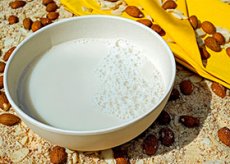
Milk with baking soda is sometimes used as a home remedy for heartburn or mild indigestion. However, during pregnancy, regular or significant consumption of baking soda is associated with real risks: excess sodium, fluid retention, electrolyte imbalances, and metabolic alkalosis. Therefore, most experts and clinical guidelines do not recommend taking oral sodium bicarbonate as an antacid during pregnancy. [1]
What is "milk and soda" and why do people drink it?
Milk with soda is a solution of baking soda in warm milk or water. The mechanism of its supposed effect is simple: the bicarbonate neutralizes stomach acid, creating a temporary feeling of relief from heartburn or acid reflux. [2]
This remedy is commonly used for quick self-help with mild symptoms, especially when pharmacies are unavailable. However, home remedies don't take into account the sodium dosage and the overall burden on the mother's body. [3]
In the context of pregnancy, not only the temporary effect is important, but also the safety for the mother and fetus. Pregnancy alters water-electrolyte balance and sensitivity to salt loading, so traditional "grandmother's" recipes may have undesirable effects. [4]
Conclusion: A single, accidental use of a small dose at home rarely causes problems in a healthy woman, but systematic use or large doses are dangerous and not recommended. [5]
How does soda affect the mother and fetus - physiology and risks
Sodium bicarbonate quickly neutralizes hydrochloric acid in the stomach, increasing carbon dioxide and bicarbonate levels in the bloodstream at high doses. This can alter the blood's acid-base balance toward alkalosis, leading to a decrease in potassium ions and other electrolyte shifts. [6]
An additional and particularly important effect is the high salt-holding capacity of sodium bicarbonate. Frequent use increases the risk of fluid retention and increased circulating plasma volume. This is critical during pregnancy, when excess volume can worsen edema, increase blood pressure, and place strain on the heart. [7]
The fetus is directly exposed via the uteroplacental blood flow. Disturbances in maternal electrolyte balance and hemodynamics could theoretically impact placental blood flow and fetal well-being, especially in severe or prolonged disorders. Therefore, the benefits of regular use must clearly outweigh the risks before recommending this approach. [8]
Clinical manifestations of toxicity have been described in the literature: weakness, confusion, muscle cramps, decreased potassium, vomiting, and impaired renal function. In severe toxic conditions, serious complications for the mother and fetus are possible. [9]
What clinical guidelines and reviews say - key findings
Large clinical reviews and regional guidelines recommend avoiding sodium bicarbonate-containing antacids during pregnancy due to the risk of fluid overload and metabolic alkalosis. Alternatives with a better safety profile are often preferred first.[10]
Medical reference books and clinician handbooks note the need to weigh the risks and benefits of bicarbonate in pregnant women and generally consider oral bicarbonate a relative contraindication if safer preparations are available.[11]
Systematic reviews of heartburn treatment in pregnancy emphasize the following sequential approach: lifestyle modification first, then safe antacids and antacid combinations with good safety data, and finally H2 blockers or proton pump inhibitors if needed. Direct inclusion of baking soda in this algorithm is not recommended. [12]
Bottom Line: Guidelines do not support the regular use of milk and baking soda as a treatment for heartburn in pregnant women. Alternatives with proven safety should be chosen. [13]
Documented clinical cases - why is it important?
The literature describes cases of baking soda abuse during pregnancy with serious consequences. For example, peak soda consumption leads to severe hypokalemic metabolic alkalosis, arrhythmia, and even rhabdomyolysis in the mother. Such cases demonstrate that "folk" doses are far from always safe. [14]
Anecdotal reports link excessive bicarbonate consumption to worsening cardiovascular status and decompensation in women with previously unexplained kidney or heart disease. This argues for caution in the presence of chronic diseases. [15]
The incidence of severe complications is low compared to the frequency of household use of soda, but the severity of possible outcomes requires respectful treatment and consultation with a physician with any regular use. [16]
Practical conclusion: Once you read a case in the professional literature, you should stop self-medicating and seek medical advice. [17]
Safe Alternatives for Heartburn and Acid Reflux in Pregnancy
Initial non-drug measures include reducing food portions, eating smaller, more frequent meals, not lying down immediately after eating, elevating the head of the bed, and avoiding fatty and spicy foods. These measures are effective for many women. [18]
If symptoms persist, most guidelines recommend calcium-based antacids or alginate preparations. For example, calcium-based preparations or preparations that create a physical "dam" over the stomach contents have good safety data during pregnancy. Combination preparations with bicarbonate are known, but their use is limited due to the bicarbonate content. [19]
If these are ineffective, H2 blockers or proton pump inhibitors may be considered as prescribed by a physician. These medications have been studied and are used during pregnancy when indicated, if lifestyle modifications and antacids are insufficient. [20]
Therefore, if you have heartburn, it is better to discuss options with your healthcare professional rather than regularly drinking milk with soda. [21]
Practical recommendations - what can and cannot be done
- Avoid using milk with baking soda regularly. If severe heartburn occurs, it's safer to first try lifestyle changes and a one-time, doctor-approved over-the-counter alternative. [22]
- If you decide to temporarily use a small dose of bicarbonate, stick to the minimum dose and do not repeat it during the day. Taking high doses is dangerous. It is best to discuss the dosage with your doctor. [23]
- Women with hypertension, edema, kidney disease or cardiovascular disease are strictly advised not to take baking soda orally without a doctor's supervision. [24]
- If symptoms of intoxication occur, such as severe weakness, confusion, muscle cramps, rapid heartbeat, vomiting, or decreased urination, seek emergency medical attention immediately. These signs may indicate electrolyte imbalance and metabolic alkalosis. [25]
When to See a Doctor Urgently - Red Flags
Seek immediate medical attention if, after taking baking soda, you experience: severe headache with nausea, confusion, rapid or irregular pulse, severe weakness, muscle cramps, severe vomiting, or decreased urine output. These symptoms require laboratory evaluation of electrolytes and acid-base balance. [26]
If a woman has chronic diseases such as kidney failure, heart failure, or severe arterial hypertension, she should first discuss any homemade antacids with her doctor and avoid soda. [27]
If the cause of heartburn is unclear or if you experience bloody vomiting, black stool, or significant weight loss, consult a gastroenterologist or obstetrician immediately. Self-medication is inappropriate if you suspect a serious underlying condition. [28]
Tables - quick summaries
Table 1. Quick reminder: Can you drink milk with soda?
| Situation | Recommendation |
|---|---|
| Occasional mild heartburn | Prefer lifestyle changes and safe antacids; do not overuse baking soda. [29] |
| Regular heartburn | Consult a doctor to select a safe therapy. [30] |
| Hypertension or edema | Do not take baking soda; discuss with your doctor. [31] |
| Chronic kidney or heart disease | It is strongly not recommended without medical supervision. [32] |
Table 2. Risks of oral bicarbonate intake during pregnancy
| Risk | Why is it important? |
|---|---|
| Fluid retention and increased pressure | High sodium content.[33] |
| Metabolic alkalosis | Change in acid-base balance. [34] |
| Hypokalemia | Potassium loss in alkalosis and diuresis. [35] |
| Exacerbation of chronic diseases | Increased cardiac and renal load. [36] |
Table 3. Safe alternatives for heartburn in order of preference
| Measure | Note |
|---|---|
| Lifestyle changes | Eat smaller portions and do not lie down after eating. [37] |
| Calcium-based antacids or alginates | Often safe in pregnancy.[38] |
| H2 blockers or proton pump inhibitors | As prescribed by a doctor if previous measures are ineffective. [39] |
Table 4. Signs of soda toxicity - act immediately
| Symptom | Action |
|---|---|
| Confusion or severe weakness | Call emergency help |
| Muscle cramps, severe vomiting | Urgent laboratory testing of electrolytes |
| A sharp decrease in urination | Inpatient renal function assessment |
| Arrhythmia or palpitations | Cardiological evaluation immediately |
Table 5. Frequently Asked Questions
| Question | Answer |
|---|---|
| Is it possible to take 1 teaspoon of baking soda in milk at a time? | A single dose is likely safe for a healthy woman, but regular use is best avoided. [40] |
| What can I replace baking soda with for heartburn? | Lifestyle changes, calcium-based antacids or alginates; if needed, your doctor will prescribe H2 or PPI. [41] |
| Will baking soda affect a breastfed baby? | Most of the risk is related to the mother; toxic effects in the mother may indirectly affect the baby, so treat the mother with safe methods. [42] |
Conclusion - practical recommendation
Milk and baking soda as a heartburn remedy during pregnancy is not the best option. A single, accidental use of a small dose is rarely dangerous in a healthy woman, but regular use or large doses are associated with serious risks for the mother and potentially the fetus. It is preferable to first use safe non-drug measures, then antacids with a good safety profile, and only stronger medications when indicated, as determined by a doctor. In cases of chronic heartburn, hypertension, edema, or renal or cardiac disease, strictly avoid baking soda and discuss therapy with your obstetrician. [43]