
Goat milk during pregnancy: is it possible?

Alexey Krivenko, medical reviewer, editor
Last updated: 30.05.2026
Fact-checked
х

All iLive content is medically reviewed or fact checked to ensure as much factual accuracy as possible.

We have strict sourcing guidelines and only link to reputable media sites, academic research institutions and, whenever possible, medically peer reviewed studies. Note that the numbers in parentheses ([1], [2], etc.) are clickable links to these studies.

If you feel that any of our content is inaccurate, out-of-date, or otherwise questionable, please select it and press Ctrl + Enter.
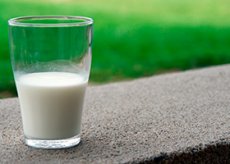
Goat's milk is a complete dairy product with a composition similar to cow's milk: on average, about 3.6% protein, 4.2% fat, and 4.5% carbohydrates per 100 g, with the remainder being water. In terms of calories, a 1-cup serving (≈244 g) provides a comparable amount of energy and macronutrients to cow's milk. Moreover, the lactose content is only slightly lower than that of cow's milk, meaning the product is not "low-lactose." [1]

At the protein level, goat's milk has a lower proportion of αs1-casein and a different fat globule profile; this is why many people perceive it as "easier to digest." However, clinical benefits for pregnant women (better digestion, less bloating, etc.) have not yet been confirmed by large randomized trials; perceived "lightness" varies from person to person. [2]

Micronutrient levels vary by country, feed, and fortification. Both unfortified and vitamin D-fortified options are available in retail; in some jurisdictions, vitamin D fortification of goat milk is permitted, but not always required, so the label value is critical. [3]

An important difference is the very low folate (vitamin B9) content in milk itself: in the order of magnitude of a few micrograms per 100 g, meaning its contribution to a pregnant woman's daily requirement is minimal. B12 levels are also lower than those of cow's milk. This isn't a "minus" of the product, but a reason not to rely on it as a source of these vitamins. [4]

Safety: Pasteurization, Dampness, and Cheeses

The main rule for pregnant women is to consume only pasteurized milk and milk products. Raw (unpasteurized) milk and milk-based products may contain Listeria monocytogenes and other pathogens that can cause severe infections, pregnancy loss, and neonatal complications. This is not compensated for by the "naturalness" and "farm origin" label. [5]

For goat cheeses, the "rind rule" applies. Safe: all pasteurized hard cheeses (including "hard" goat cheese), as well as pasteurized soft cheeses without a white moldy rind (for example, rindless fresh goat cheese). Soft moldy surface-ripening cheeses (chèvre, brie, camembert) and soft blue cheeses are prohibited until the end of pregnancy, unless they are heated to "boiling steam." [6]

In addition to listeriosis, raw goat's milk is associated with risks of Q fever (Coxiella burnetii) and Toxoplasma gondii transmission—rare but clinically significant scenarios, especially during pregnancy. Pasteurization reliably reduces these risks. Choose industrially processed products and check for the "pasteurized" label. [7]

Homemade fermented products made with raw milk (classic "homemade kefir," cheeses, and yogurts) are not recommended during pregnancy due to the lack of guaranteed pasteurization and control of starter cultures. Safer options include commercially pasteurized yogurts and kefir. [8]

Table 1 - "Traffic light" for goat milk products during pregnancy

Product Status Explanation
Pasteurized milk, yogurt, kefir Can Standard industrial pasteurization is safe. [9]
Hard cheeses (including goat cheese), pasteurized Can Low water activity, minimal risk of listeria. [10]
Soft goat cheeses without rind, pasteurized Can In the absence of white mold crust. [11]
Soft moldy cheeses (chèvre, etc.), any cheeses made from raw milk Not recommended Risk of listeria; only acceptable after thorough cooking to "steaming hot". [12]
Any raw milk products Forbidden Risk of Listeria, C. burnetii, T. gondii. [13]

Nutritional value and place in the diet

One glass (≈244 g) of goat's milk contains about 8-9 g of protein, 12-13 g of natural sugars (mainly lactose), 10-12 g of fat, and ≈300-400 mg of calcium; potassium is also significant. This makes the product a good protein-calcium component of a meal—for example, as a base for porridge or a drink with a sandwich on whole-grain bread. [14]

For comparison, 1 glass of cow's milk is comparable in protein and sugars, often has higher vitamin B12 levels, and, if fortified, contains more vitamin D per serving. Iodine levels in both types of milk vary, but in several studies of retail samples, goat's milk had higher values at the median level. The bottom line for consumers is to read the label and not consider milk the sole source of iodine. [15]

Folate (B9) in goat's milk is extremely low (approximately 2-3 mcg per glass), so a pregnant woman's daily requirement (600 mcg of dietary folate equivalent per day) is met through a varied diet and prescribed folic acid supplements, not milk. Goat's milk is also inferior to cow's milk for B12. [16]

Vitamin D fortification varies by country and brand (in Canada, for example, it's mandatory for cow's milk, but permitted for goat's milk). Given the common occurrence of vitamin D deficiency, consult the label and supplement recommendations, especially during the fall and winter. [17]

Table 2 - Approximate comparison per 250 ml

Indicator Goat milk* Cow's milk* Comment
Energy, kcal ~170-200 ~150 Depends on fat content and fortification
Protein, g ~8-9 ~8 Comparable
Lactose/sugars, g ~12-13 ~12-13 Little difference, not a "low lactose" product
Calcium, mg ~330-400 ~275-550 Wide range of brands
Vitamin D, mcg 0-4 (if fortified) 0-6 (often fortified) Check the label
Folate (B9), mcg ~2-8 ~20-25 The contribution of goat milk is minimal
Vitamin B12, mcg ~0.2 ~2.2 Cow's milk is the best source
*Based on FoodData Central / MyFoodData; values vary. [18]

Lactose and allergies: who shouldn't drink goat milk?

Goat's milk contains lactose in amounts similar to cow's milk. If lactose intolerance is diagnosed, symptoms with goat's milk will generally persist. Individual tolerance may vary due to the different proteins and fats, but this does not affect lactose. The solution is lactose-free pasteurized products. [19]

If you have a cow's milk protein allergy, goat's milk is not a safe alternative. The proteins are highly homologous and exhibit cross-reactivity, so substituting cow's milk for goat's milk can fuel allergic inflammation. This is especially important for expectant mothers with a history of severe allergies. [20]

A special case is infant formula. Although goat's milk protein is recognized by regulators as a suitable protein source for infant formula (with appropriate adaptations), regular goat's milk (like cow's milk) is not used as a substitute for formula or breast milk for infants. For pregnant women, this is an indirect but important argument against overestimating the "universal benefits" of goat's milk. [21]

If dairy products in general trigger symptoms, discuss a calcium and iodine strategy with your doctor and dietitian: lactose-free dairy products, calcium-fortified plant-based drinks (check iodine), fish, and specialized supplements as directed are acceptable. [22]

Table 3

Situation Why Alternative
Lactose intolerance Lactose content is almost the same as in cow's milk. Lactose-free pasteurized dairy products
Allergy to BCM Protein cross-reactivity Individual plan under the supervision of an allergist
Risk of infection (dampness) Listeria, C. burnetii, T. gondii Only pasteurized cheeses, avoid "homemade" cheeses
Need B9/B12 There are few of them in goat milk. Diet + supplements as prescribed by a doctor

Iodine and Vitamin D: Why Labels and Region Matter

Milk and dairy products are a key source of iodine in the European and UK diets; however, iodine levels in milk from different animal species vary greatly depending on season, diet, and farming practices. In some studies, retail goat's milk contained more iodine than cow's milk, but the range of values was wide; relying solely on milk as a stable source of iodine is not recommended. [23]

In many countries, vitamin D fortification primarily applies to cow's milk; for goat's milk, it's often "permitted" rather than "mandatory." Therefore, two packages of different brands can differ significantly in vitamin D content. During pregnancy, when vitamin D deficiency is common, check the label and follow national supplement recommendations. [24]

Consider other sources of iodine as well: seafood, eggs, iodized salt (if used in your country), and iodized plant-based beverages. Excess iodine is also undesirable, so do not use seaweed (especially kelp) as a "simple iodine supplement" without medical supervision. [25]

The bottom line is simple: when choosing goat's milk, look for two lines: "pasteurized" and "vitamin D/iodine." The rest is a matter of taste and the product's place in the diet, not its "medicinal" properties. [26]

Table 4 - Iodine and Vitamin D in Milk: What to Look for

Parameter What happens in practice What to do
Vitamin D Fortification available/not available depending on country and brand Look for "vitamin D… µg/100 ml" on the label.
Iodine Varies greatly between species and seasons Don't rely only on milk, consider fish and eggs
Organic/inorganic Iodine content may vary Alternate iodine sources periodically
Plant-based alternatives Often iodine-free (unless fortified) Check the nutrition facts/table for "iodine"

Iron and dairy products: how not to interfere with absorption

Calcium and milk components can reduce iron absorption when taken simultaneously, especially when taking iron tablets. However, long-term studies show that with a normal diet, overall iron status may not be affected over time. A safe practical tactic is to separate iron tablets from calcium-rich foods. [27]

The standard recommendation for pregnant women taking iron supplements is to take them on an empty stomach (if tolerated) or with food rich in vitamin C, and not with milk/calcium, tea, or coffee. Separate them by at least 1-2 hours. This way, you get the benefits of both nutrients without competing for transport in the intestines. [28]

If iron tablets cause nausea, they can be taken with a small meal, but without milk and not with calcium supplements. The regimen should be determined with an obstetrician: for gestational diabetes, anemia, and gastrointestinal disease, the nuances are individual. [29]

And don't forget: foods with vitamin C (vegetables, citrus fruits) improve the absorption of non-heme iron, while excess calcium and caffeine at the time of consumption interfere. Therefore, "porridge + berries/peppers" and "iron + water/juice" are working pairs; "iron + milk" is not. [30]

Table 5 - How to combine iron and dairy products

Task How to do it For what
Take iron In the morning, with water/drink with vitamin C Maximize absorption
Drink milk/eat yogurt 1-2 hours after iron Avoid calcium competition
Calcium supplement At other times of the day Do not reduce iron absorption
Coffee/tea Not with iron Tannins interfere with absorption

Practice: how much, when and how to include in the menu

A reasonable guideline is 1-2 servings of dairy products per day, with an emphasis on pasteurized and, if possible, fortified ones. A serving of milk is 200-250 ml; yogurt - 150-170 g. Include milk in a complete meal with protein and fiber (whole-grain porridge/muesli, fruit, nuts). [31]

Combinations such as "oatmeal + pasteurized goat's milk + berries" or "whole-grain toast + fresh goat's cheese (pasteurized) + vegetables" will provide protein, calcium, and potassium without the added sugar. If you're prone to heartburn, it's best to drink milk in small portions and avoid going to bed for 2-3 hours after eating. [32]

When following a vegetarian diet, monitor your B12 and iodine levels: cow's milk typically provides more B12, while goat's milk provides variable amounts of iodine. If you choose only goat products, consider other sources of these nutrients in advance. [33]

If lactose is a problem, choose lactose-free pasteurized products (goat's or cow's milk) and control total calcium and iodine through a combination of foods and/or supplements as discussed with your doctor. [34]

Table 6 - Ideas for safe "goat's milk" servings

Situation Idea What does it give?
Breakfast Oatmeal with pasteurized goat milk and berries Protein + calcium + fiber
Snack Natural yogurt (goat, pasteurized) + a handful of nuts Satiety and micronutrients
Dinner Salad with whole grain bulgur and fresh cheese (pasteurized) Protein + minerals
Dinner Vegetable casserole with goat cheese (pasteurized, baked until boiling steam) Heat treatment reduces microbiological risk

When to see a doctor

Seek immediate medical attention if you experience signs of a severe foodborne illness after consuming dairy products: fever, severe weakness, diarrhea, vomiting, muscle pain; listeriosis can also develop indolent but dangerous forms. It is important to tell your doctor if you have eaten raw/unpasteurized foods. [35]

Stop consuming dairy products immediately and seek medical attention if you experience any signs of an allergy, including itchy mouth, hives, wheezing, swelling of the lips or tongue, or a drop in blood pressure. If you have a confirmed food allergy, do not experiment with substituting goat's milk for cow's milk without medical supervision. [36]

If you are prescribed iron or calcium supplements and are unsure about the schedule for taking them while consuming dairy products, check with your obstetrician; simple timing adjustments can help avoid absorption conflicts and side effects. [37]

For chronic gastrointestinal diseases, anemia, thyroid problems and strictly restrictive diets (veganism, dairy-free diet), an individual plan for dairy products and supplements is drawn up with a clinical nutritionist. [38]