
New publications
The West Nile virus has already been detected in 12 European countries: 625 local cases of infection have been registered so far this season.
Last updated: 23.08.2026

All iLive content is medically reviewed or fact checked to ensure as much factual accuracy as possible.
We have strict sourcing guidelines and only link to reputable media sites, academic research institutions and, whenever possible, medically peer reviewed studies. Note that the numbers in parentheses ([1], [2], etc.) are clickable links to these studies.
If you feel that any of our content is inaccurate, out-of-date, or otherwise questionable, please select it and press Ctrl + Enter.
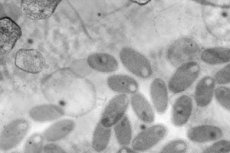
The West Nile virus continues to spread across Europe. According to the European Centre for Disease Prevention and Control, as of August 21, 2026, 12 European countries have reported 625 cases of infection acquired directly on their territory. Cases have already been registered in 99 administrative regions. Italy has the highest number of cases – 311 people, followed by Greece with 157 cases and Spain with 63. [1]
The scale of the outbreak has increased significantly in just a few weeks. On August 13, the ECDC recorded 429 cases in nine countries and 77 regions, but by August 21, the number of registered cases had risen to 625, the number of countries to 12, and the number of affected regions to 99. However, these figures reflect the dates when information was received by the epidemiological surveillance system, so the difference cannot be automatically interpreted as the number of people infected in a single week. Some cases are diagnosed and reported to the system with a delay. [2]
Epidemiologists are particularly focused not only on the absolute number of cases, but also on the geographic spread of the virus. An AFP report states that 21 European regions reported cases for the first time. However, the ECDC weekly report itself is somewhat more cautious: 21 regions were identified as affected for the first time this week of the season. Therefore, comparisons between these concepts should be made with caution – a "new region of the season" does not always mean a region where the virus has never been detected before.
European experts expect further cases. The West Nile virus transmission season typically lasts from late spring to autumn, with peak activity occurring between July and September. The WHO and ECDC emphasize that most infections are unnoticed, so the number of registered patients reflects only a fraction of the virus's actual spread. [3]
The situation in Europe on August 21, 2026
| Indicator | Data |
|---|---|
| Registered local cases | 625 |
| Countries with local transmission | 12 |
| Affected areas | 99 |
| Italy | 311 cases |
| Greece | 157 |
| Spain | 63 |
| North Macedonia | 37 |
| Romania | 28 |
| France | 17 |
| Serbia | 6 |
| Netherlands | 2 |
| Albania | 1 |
| Austria | 1 |
| Germany | 1 |
| Kosovo | 1 |
[4]
Italy and Greece have become the main hotspots of the European season
Italy accounts for almost half of all reported European cases. The ECDC counts 311 local infections in 46 administrative regions. This is the highest figure in both the number of cases and the geographical spread among European countries. National Italian data may differ slightly from the ECDC's due to the update date and inclusion criteria: for example, the Italian Institute of Health reported 312 confirmed cases as of August 19, but this figure also included some imported infections. [5]
Greece ranks second with 157 cases and 17 affected areas. Back in early August, a joint report from the ECDC and the European Food Safety Authority showed particularly intense virus circulation in Attica. As of August 5, 48 cases had been recorded there, including 34 in eastern Attica. The situation is changing rapidly, so these regional figures refer specifically to early August, not the status as of August 21. [6]
Spain ranks third, with 63 local cases reported in three areas used by ECDC for epidemiological mapping. As recently as July, the Spanish Ministry of Health reported only a few confirmed infections, including in Alicante and Seville. This clearly demonstrates how quickly the season can progress after the onset of summer mosquito activity. [7]
North Macedonia follows with 37 cases, Romania with 28, France with 17, and Serbia with six. Local transmission has also been recorded in the Netherlands, Albania, Austria, Germany, and Kosovo. Importantly, these are local infections: the person was infected in the country reporting the case, and did not bring the infection back after traveling to another region. [8]
Geography of the season
| Country | Local cases | Affected areas |
|---|---|---|
| Italy | 311 | 46 |
| Greece | 157 | 17 |
| Spain | 63 | 3 |
| North Macedonia | 37 | 3 |
| Romania | 28 | 14 |
| France | 17 | 8 |
| Serbia | 6 | 3 |
| Netherlands | 2 | 1 |
| Albania | 1 | 1 |
| Austria | 1 | 1 |
| Germany | 1 | 1 |
| Kosovo | 1 | 1 |
[9]
The virus's geography is expanding faster than a year ago.
One of the main reasons ECDC is focusing on the 2026 season is the number of territories where local transmission has been detected. As of August 21, infections have been reported in 99 regions across 12 countries. The report provides a comparison: at a similar time in August 2025, 67 regions in nine countries were reported. Thus, the current season is distinguished primarily by its wider geographic coverage. [10]
However, a greater geographic spread does not necessarily mean that 2026 will be a record year for the number of cases. A joint report by the ECDC and the European Food Safety Authority, compiled based on data up to August 5, counted 245 cases, compared to an average of 403 cases at the same time during the season over the previous decade. This historical figure is heavily influenced by particularly large epidemic years—for example, 2018, 2022, and 2024. [11]
By comparison, for the whole of 2025, European countries reported 1,112 locally acquired cases and 97 deaths to the ECDC. In 2024, 1,436 locally acquired cases were recorded. Therefore, it is premature to characterize the 2026 season as a "record epidemic"—the most intense part of the season is still ongoing, and final data will only be available after the autumn consolidation of reporting. [12]
But epidemiologists are concerned about another signal: the virus is appearing in places where it had either never been detected or was rarely detected before. As of August 5, six territories reported local human infections for the first time since the outbreak began – including areas in France, Germany, Italy, and North Macedonia. Simultaneously, animal surveillance detected new outbreaks among birds and horses. [13]
What does the 2026 season look like in comparison?
| Indicator | 2026 | Context |
|---|---|---|
| Cases as of August 21 | 625 | The season is still ongoing |
| Affected areas as of August 21 | 99 | 67 around the same time in 2025, according to Medical Xpress |
| Countries | 12 | 9 in the comparative period of 2025 |
| Cases for the entire year 2025 | - | 1112 |
| Deaths for the entire year 2025 | - | 97 |
| Cases for the whole of 2024 | - | 1436 |
| Peak transmission | - | Usually July-September |
The virus circulates between birds and mosquitoes, with humans being an accidental host.
West Nile virus is a flavivirus. Its natural cycle is fundamentally different from the spread of influenza or coronavirus infections: birds are the primary reservoirs, and mosquitoes of the genus Culex are the vectors. The mosquito becomes infected by feeding on the blood of an infected bird, and after the necessary period of viral replication, it is capable of transmitting the virus to the next host through a bite. [14]
Humans and horses are considered primarily accidental, or dead-end, hosts in this cycle. The concentration of virus in their blood is usually insufficient to effectively infect a new mosquito and maintain further transmission. Therefore, a person with West Nile fever generally does not pose a normal infectious risk to others. [15]
Rare transmission routes do exist, however. The virus has been described through contaminated blood transfusions, organ transplants, and mother-to-child transmission during pregnancy, childbirth, or breastfeeding. This is why ECDC's epidemiological mapping is important not only for mosquito control: information on infected areas is used to make decisions about testing or temporarily diverting blood donors. [16]
At the same time, European health authorities are monitoring not only people but also birds, horses, and the carriers themselves. Sometimes, an infected bird, horse, or a positive mosquito sample provides the first indication that the virus is already circulating in a specific area—even before a diagnosed patient appears. This approach is called One Health, as it integrates human, animal, and environmental health. [17]
How does the transmission chain work?
| Stage | What's happening |
|---|---|
| 1 | The bird is infected with the West Nile virus. |
| 2 | The Culex mosquito feeds on her blood. |
| 3 | The virus multiplies in the mosquito's body. |
| 4 | An infected mosquito bites a person or animal |
| 5 | A person may become ill but usually does not support further transmission. |
| Rare exceptions | Blood transfusion, transplantation, mother-to-child transmission |
[18]
Most people infected do not experience any symptoms at all.
The most important feature of the West Nile virus is that approximately 70-80% of infected people show no symptoms. Therefore, the 625 reported cases do not mean that only 625 infections occurred in Europe. The actual number of infections must be higher, although it is impossible to calculate it accurately from this data. [19]
About one in five infected people develops West Nile fever. Symptoms can include fever, headache, severe fatigue, muscle aches, nausea, vomiting, swollen lymph nodes, and sometimes a skin rash. The incubation period typically ranges from three to fourteen days. [20]
A completely different situation occurs with the neuroinvasive form of the disease. In approximately one in 150 infected people, the virus affects the central nervous system and can lead to meningitis, encephalitis, or a polio-like syndrome. Symptoms may include high fever, severe headache, neck stiffness, disorientation, tremors, seizures, muscle weakness, paralysis, and coma. This condition can be fatal. [21]
The elderly and immunocompromised individuals are at greatest risk of severe disease. The WHO particularly highlights older adults and patients with weakened immune systems, including some transplant recipients. Therefore, the same infection in a young, healthy individual may go completely unnoticed, but in an elderly patient, it may lead to severe brain damage. [22]
What happens after infection?
| Option | Approximate frequency | Possible manifestations |
|---|---|---|
| Asymptomatic infection | 70-80% | No symptoms |
| West Nile fever | About 20% | Temperature, headache, weakness, pain, nausea |
| Severe neuroinvasive disease | About 1 in 150 infected | Meningitis, encephalitis, paralysis, impaired consciousness |
| The most vulnerable groups | - | Elderly and immunocompromised people |
[23]
Why are there so many severe cases in European statistics?
At first glance, this seems contradictory. If severe neurological disease develops in only a small proportion of those infected, why might half or more of the cases reported in epidemiological reports be accompanied by neurological symptoms? The answer lies in how the detection system works. People without symptoms almost never seek medical attention, and a mild fever may go undiagnosed. [24]
In a joint report by ECDC and the European Food Safety Authority as of August 5, 2026, 72% of registered patients were hospitalized, and 58% had neurological manifestations. Most of the registered cases were men aged 65 and older. However, these figures reflect only the cases detected by the system, not all people infected with the virus. [25]
At that time, 12 deaths had been recorded in Europe: six in Greece, five in Italy, and one in Romania. The report's authors estimated the case fatality rate among registered cases at approximately 5%, but specifically cautioned that this figure was preliminary: some outcomes might not yet be known, and subsequent reports could change the figure. Later national Italian data already reported additional fatalities. [26]
This is a good example of why it's impossible to divide the number of deaths by the estimated number of all infected people, and simultaneously, why the recorded fatality rate cannot be considered the risk of death after any bite from an infected mosquito. The surveillance system is disproportionately good at detecting severe cases and significantly worse at detecting asymptomatic and mild infections. The ECDC explicitly warns that the official case count underestimates the real number of infections. [27]
Clinical picture according to European data as of August 5
| Rate among registered cases | Meaning |
|---|---|
| Total local cases at that time | 245 |
| Hospitalized | 72% |
| Neurological manifestations | 58% |
| Registered deaths | 12 |
| Preliminary mortality among registered | About 5% |
| The most frequently registered group | Men ≥65 years old |
| Important disclaimer | Mild and asymptomatic infections are severely under-diagnosed |
[28]
Why Europe is seeing more and more areas with the virus
West Nile virus has been present in Europe for a long time, so what's happening can't be described as a sudden, entirely new outbreak. However, the conditions that determine the intensity of transmission are changing. In July, the WHO noted that higher temperatures and longer warm seasons are increasing the time and area over which mosquitoes can sustain virus transmission. [29]
But climate isn't the only factor. A joint European analysis points to a combination of temperature, humidity, landscape features, the presence of water bodies and wetlands, agricultural zones, mosquito populations, and the behavior of reservoir birds. These factors interact differently in different regions, creating localized pockets of increased risk. [30]
Another factor is the quality of epidemiological surveillance. The more actively a country tests people, screens donated blood, studies mosquito populations, and examines dead birds and sick horses, the higher the likelihood of detecting circulation that might have previously gone undetected. Therefore, an increase in the number of affected areas may simultaneously reflect both the actual spread of the virus and improved detection. [31]
ECDC therefore advocates not simply the need to spray more insecticides, but the creation of an integrated control system. This should combine mosquito surveillance, early detection of human and animal cases, management of vector breeding sites, public information, and localized application of mosquito control agents, taking into account environmental impacts. [32]
What can contribute to the spread
| Factor | Possible influence |
|---|---|
| Warm weather | Accelerates the development of mosquitoes and the virus |
| Longer summer | Extends the transmission season |
| Still water | Creates breeding grounds for mosquitoes |
| Wetlands | Support mosquitoes and reservoir birds |
| Bird migrations | Facilitate the movement of the virus |
| Agricultural areas | They can create a favorable ecological environment |
| Improving supervision | Allows detection of previously unnoticed circulation |
[33]
By August 21, 63 local cases had already been registered in Spain.
Spain ranks third in European statistics for 2026, after Italy and Greece. According to the latest ECDC report, as of August 21, the country had reported 63 locally transmitted cases of infection, spread across the three affected territories. On August 13, the European system counted 42 Spanish cases, meaning the latest update has included a significant number of new reports. [34]
At the beginning of the season, the situation seemed much calmer. According to the Spanish Ministry of Health, by July 22, one case had been confirmed in Alicante and two in Seville, and the virus had already been detected in mosquitoes in Seville and Almería. The national system uses not only human cases but also veterinary and entomological surveillance data. [35]
West Nile virus is not new to Spain. In 2025, 45 local cases were registered, of which 37 were confirmed and eight probable. Half of the symptomatic patients had the neuroinvasive form of the disease; five deaths were recorded among those infected. The majority of cases were in Extremadura, but circulation was also observed in Andalusia and the Valencian Community. [36]
These data demonstrate why a single case in a new area is important for public health services even when the absolute probability of severe disease for an individual is low. Detection of a local infection means that the virus is already present in the bird-mosquito cycle in the area, meaning additional measures to control vectors and ensure blood donation safety may be required. [37]
Spain: How the messages have changed throughout the season
| Data date | Situation |
|---|---|
| July 22 | Cases have been confirmed in Alicante and Seville |
| August 13 | ECDC counted 42 local cases |
| August 21 | ECDC counts 63 local cases |
| Affected areas according to ECDC | 3 |
| Place among European countries | 3rd in number of cases |
There is no specific medicine or vaccine for humans yet.
There is currently no licensed vaccine against West Nile virus for humans. Vaccines exist for horses, but a similar prophylactic drug for humans has not yet been routinely administered. There is also no specific antiviral therapy that can directly stop virus replication after infection. [38]
For mild cases, treatment is primarily aimed at relieving symptoms. Severe meningitis or encephalitis may require hospitalization, intravenous fluids, respiratory support, and other intensive care measures depending on the patient's condition. Therefore, bite prevention remains the primary individual risk reduction strategy. [39]
In areas where the virus is circulating, the WHO recommends using approved repellents, wearing clothing that covers arms and legs, installing mosquito nets on windows and doors, and, if possible, limiting outdoor time during periods of high mosquito activity. Evening and nighttime hours are particularly important for Culex. [40]
Eliminating mosquito breeding sites is equally important. Even small containers of stagnant water—flower pot trays, open buckets, and containers on terraces and gardens—can serve as a breeding ground for larvae. ECDC recommends combining such household measures with municipal monitoring and professional vector control. [41]
Basic preventive measures
| Measure | What is it for? |
|---|---|
| Repellents | Reduces the likelihood of bites |
| Closed clothing | Reduces exposed skin area |
| Nets on windows and doors | Prevent mosquitoes from entering the home |
| Mosquito nets | Extra protection while you sleep |
| Removing standing water | Reduces the number of breeding sites |
| Mosquito control by municipal services | Reduces the vector population |
| Epidemiological surveillance | Allows for earlier detection of new lesions |
[42]
When to seek medical attention
A common fever, headache, and weakness after a mosquito bite are not sufficient to diagnose West Nile virus—similar symptoms are common with many infections. However, during periods of active viral circulation, a physician should consider the epidemiological situation, especially if the person is currently or has recently been in an affected area. The diagnosis is confirmed by laboratory testing, such as the detection of specific antibodies or viral ribonucleic acid, depending on the stage of the disease. [43]
Particularly alarming are severe headache, high fever, neck stiffness, confusion or loss of consciousness, severe muscle weakness, tremors, seizures, or paralysis. These symptoms may indicate damage to the central nervous system and require urgent medical evaluation. [44]
Age also plays a role. The likelihood of the neuroinvasive form increases significantly in the elderly, so the development of fever and neurological symptoms in this group requires special attention. The same applies to patients with severe immunodeficiency and some people who have received organ transplants. [45]
However, the current situation in Europe does not mean that every mosquito bite poses a high risk of severe infection. Even among people who do become infected with the virus, the vast majority are asymptomatic, and severe disease develops in approximately one in 150 infected individuals. The primary purpose of the ECDC warning is not to create alarm, but to promote timely prevention and recognition of rare, severe cases. [46]
Why the ECDC is calling on Europe to strengthen mosquito control
In parallel with the spread of West Nile virus, European experts are recording a change in the overall pattern of mosquito-borne diseases. Culex mosquitoes, which transmit West Nile virus, are already widely present on the continent. Furthermore, the Asian tiger mosquito Aedes albopictus, which can transmit dengue and chikungunya, is now considered established in 16 European countries—double the number found 12 years ago. [47]
The problem isn't just the number of insects. The European control system faces challenges such as mosquito resistance to insecticides, a limited range of approved products, environmental requirements, and the varying capabilities of different countries and municipalities. Therefore, relying solely on the mass use of chemical insecticides is considered insufficient. [48]
On August 20, a group of European experts published a separate paper in Eurosurveillance dedicated to strengthening mosquito control. The authors call for the use of an integrated model combining epidemiological and entomological surveillance, removal of breeding sites, community participation, targeted treatments, and methods that take into account the impact of interventions on the environment. [49]
This is why the current 625 registered cases should be viewed as part of a broader process. West Nile virus is already an endemic epidemic infection in Europe, but its geographic expansion demonstrates how sensitive transmission is to environmental and climate change. The final scale of the 2026 season will only become clear in the fall, after the main period of vector activity has concluded and national data have been consolidated. [50]
What is now known for sure
| Conclusion | Grade |
|---|---|
| Local transmission is broadcast in 12 countries | Yes |
| 625 local cases have been registered | Yes, on August 21st |
| Italy is the most affected | Yes - 311 cases |
| Spain is in third place | Yes - 63 cases |
| The geography is wider than a year ago at the same stage | Yes |
| 2026 has already become a record year for the number of cases | There is no reason to assert this yet |
| Most infections are asymptomatic. | Yes |
| There is a vaccine for humans | No |
| There is specific antiviral treatment. | No |
| Further increase in cases is possible | Yes, the seasonal peak is still ongoing. |
News source and DOI
The main peer-reviewed official source of epidemiological data is the joint report of the European Centre for Disease Prevention and Control and the European Food Safety Authority:
European Centre for Disease Prevention and Control; European Food Safety Authority. Surveillance of West Nile virus infections in humans and animals in Europe, monthly report - data submitted up to 5 August 2026. EFSA Journal. 2026. This report at that time included 245 locally reported human cases, 12 deaths, and veterinary surveillance data; a more recent figure of 625 cases came from the ECDC weekly update on 21 August.
DOI of the official August report: 10.2903/j.efsa.2026.10304.
An additional scientific publication, released on August 20th, concurrent with the new ECDC alert, focused on strengthening European vector control:
Briet OJT et al. Strengthening mosquito control to manage emerging mosquito-borne diseases. Eurosurveillance. 2026;31(33).
DOI: 10.2807/1560-7917.ES.2026.31.33.2600306.
Thus, the most accurate formulation to date is as follows: by August 21, 2026, the European surveillance system has registered 625 locally acquired cases of West Nile virus in 12 countries and 99 regions, with the main burden falling on Italy, Greece, and Spain. The number of detected infections rises rapidly during the peak season, but most actual infections remain asymptomatic and are not included in official statistics.