
New publications
The FDA has cleared the first autonomous blood-drawing robot: the device automatically finds a vein, inserts a needle, and fills tubes.
Last updated: 30.08.2026

All iLive content is medically reviewed or fact checked to ensure as much factual accuracy as possible.
We have strict sourcing guidelines and only link to reputable media sites, academic research institutions and, whenever possible, medically peer reviewed studies. Note that the numbers in parentheses ([1], [2], etc.) are clickable links to these studies.
If you feel that any of our content is inaccurate, out-of-date, or otherwise questionable, please select it and press Ctrl + Enter.
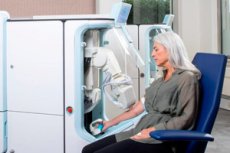
On August 19, 2026, the U.S. Food and Drug Administration granted marketing authorization for Vitestro's Aletta system, the first freestanding robotic medical device in the U.S. capable of performing venous blood collection from a patient's arm without direct manual intervention by a technician during the puncture. The approval was granted under the De Novo procedure, which is intended for new low- or moderate-risk medical devices for which no previously applicable regulatory category exists.
Aletta doesn't just help the doctor locate the vein. Once the procedure is initiated, the robot automatically applies a tourniquet, locates a suitable vessel using near-infrared light and ultrasound, disinfects the skin, inserts the needle, fills the necessary tubes, changes them, removes the needle, and applies a bandage. If the system can't reliably locate a suitable vein, the puncture is not performed at all.
However, the device is not intended to completely replace a healthcare professional. According to FDA regulations, the Aletta is intended for adult patients in outpatient settings and must be used under the supervision of a trained phlebotomist. This trained phlebotomist initiates the session, remains available in case of an emergency, and, after the procedure, checks that the tubes are correctly ordered and filled sufficiently. One such specialist can simultaneously monitor up to three Aletta devices.
The device's introduction is no longer accompanied by mere engineering demonstrations. In 2026, the results of a large multicenter study of autonomous robotic phlebotomy were published in the journal Clinical Chemistry. In the main cohort of 1,633 patients, the robot successfully drew blood on the first attempt in 94.5% of cases where it had identified a suitable vein. All reported adverse events were mild, with an incidence of 0.6%.
Key points about the FDA decision
| Parameter | What is known |
|---|---|
| Device | Aletta |
| Manufacturer | Vitestro, Netherlands |
| FDA decision | August 19, 2026 |
| Regulatory pathway | De Novo |
| De Novo Room | DEN250046 |
| Type of procedure | Diagnostic venous blood sampling |
| Patients by FDA decision | Adults |
| Place of use | Outpatient facilities |
| Participation of a specialist | Mandatory observation |
| How many devices can a specialist control? | Up to 3 |
| Search for a vessel | Near infrared light + ultrasound + Doppler ultrasound |
| First successful puncture in a published study | 94.5%* |
| Adverse events | 0.6%, all lungs |
| DOI of the associated clinical trial | 10.1093/clinchem/hvag029 |
*Among patients in whom the investigational version of the device preliminarily found a suitable vein.[1]
How does a robot know where to insert the needle?
One of the most challenging steps in routine blood sampling is selecting the appropriate vein. The phlebotomist relies on a combination of the patient's appearance, palpation, experience, and the individual anatomy of the arm. In some patients, the vessels are clearly visible, while in others, they are deep, difficult to palpate, displaced, or virtually invisible under the skin. Aletta attempts to replace this subjective visual and tactile search with a combination of several visualization methods.
First, near-infrared light is used to obtain additional information about the vascular network beneath the skin's surface. Then, ultrasound is added. Doppler mode helps assess blood flow and, crucial for safety, distinguish between veins and arteries. Based on this information, the device selects the vessel it deems suitable for puncture.
A key feature of the algorithm is the ability to abort the attempt. If the system cannot find a vessel that meets its safety criteria, it shouldn't simply choose the "best of a bad bunch" and insert the needle. The FDA specifically states that in this situation, Aletta will not perform the puncture, after which the patient will need a routine blood draw by a specialist.
This point is important for understanding the 94.5% figure from the clinical trial. Prior to the main robotic retrieval procedure, 1,743 people were screened in the study. In 110 participants, or approximately 6%, the device was unable to identify a suitable vein, so robotic puncture was not performed. The remaining 1,633 people were included in the first-attempt success analysis.
How Aletta chooses a vessel
| Stage | System action |
|---|---|
| 1 | The patient places his hand in the device |
| 2 | Infrared scanning in progress |
| 3 | Ultrasound imaging is connected |
| 4 | Doppler helps assess blood flow |
| 5 | The system distinguishes a vein from an artery |
| 6 | A suitable vessel is selected |
| 7 | The needle trajectory is calculated |
| If there is no suitable vein | Puncture is not performed |
[2]
From tourniquet to patch: almost the entire procedure is automated
Once the vein is selected, Aletta takes over almost all the mechanical steps required by a phlebotomist during a standard procedure. The system automatically applies a tourniquet, prepares the skin, and begins the puncture procedure. According to the FDA, disinfectant continues to be applied to the skin during the ultrasound scan.
Next, the robotic mechanism inserts a needle into the selected vein and begins collecting blood. Most laboratory tests require more than one tube: for example, biochemistry, hematology, and coagulation tests may require different types of tubes with different additives. Aletta can automatically change them during a single venipuncture.
After receiving the required volume, the system automatically removes and disposes of the used needle, then applies a dressing. This transforms the device from a robotic "needle insertion arm" into a significantly more comprehensive automated phlebotomy system. This is why the FDA has designated the Aletta as the first stand-alone, autonomous device of its kind.
However, quality control of the tubes remains the responsibility of the individual. The supervising specialist must ensure that they are used in the correct order and filled to the required level. This is especially important, for example, in coagulation tests, where an incorrect blood-to-anticoagulant ratio can distort laboratory results.
What does a robot do and what is left for a human to do?
| Part of the procedure | Aletta | Specialist |
|---|---|---|
| Searching for a vein | Controls | |
| Distinguishes a vein from an artery | - | |
| Applies a tourniquet | - | |
| Treats leather | - | |
| Inserts a needle | - | |
| Gathering blood | - | |
| Changes test tubes | - | |
| Removes and disposes of the needle | - | |
| Applying a bandage | - | |
| Starts a session | - | |
| Available if there is a problem | - | |
| Checks the order of the test tubes | - | |
| Checks for sufficient filling | - |
[3]
What happens if the patient suddenly jerks their hand?
The most obvious question about an automatic needle device is what happens if the patient moves unexpectedly. The FDA states that the Aletta is equipped with multiple independent safety controls. If the patient moves so much that continuing the puncture becomes unsafe, the needle automatically disengages from the mechanism and the procedure is terminated.
In addition to motion monitoring, the device has additional sensors that can stop or pause the procedure if it detects an unsafe condition and alert the supervising specialist. Therefore, Aletta is not fully autonomous in the sense of "the robot operates alone in a room without medical personnel": a human must be present in the safety system as a backup control layer.
Infection safety was also considered by the designers. During the ultrasound examination, the skin area is continuously disinfected, and the device itself must be cleaned by a trained specialist between patients. After use, the needles are automatically disposed of in a disposal system.
Clinical data so far appear encouraging. In the published main cohort of 1,633 robotic procedures, 10 adverse events were reported, or 0.6%. All were classified as mild and resolved spontaneously; no serious adverse events were reported.
What complications were observed in the published study?
| Adverse event | Cases | Share |
|---|---|---|
| All adverse events | 10 | 0.6% |
| Vasovagal reaction | 5 | 0.3% |
| Vasovagal syncope | 2 | 0.1% |
| Hematoma | 2 | 0.1% |
| Temporary paresthesia | 1 | 0.1% |
| Serious adverse events | 0 | 0% |
[4]
Clinical study: 94.5% successful punctures on the first attempt
The most detailed published data on the technology appeared in April 2026 in the journal Clinical Chemistry. The multicenter ADOPT study was conducted in outpatient blood collection centers in the Netherlands. It consisted of several parts and assessed not only the robot's ability to access veins but also the quality of the obtained blood samples, safety, and patient acceptance of the automated procedure.
In the main operational cohort, 1,743 participants were screened by the robotic system. A suitable vein for automated puncture was not identified in 110 (approximately 6%). The robot performed the procedure on the remaining 1,633 participants, and blood was successfully obtained from the first puncture in 1,543 participants. This corresponds to a success rate of 94.5% with a 95% confidence interval of 93.3% to 95.5%.
Here, it's important to emphasize a condition that sometimes gets lost in headlines: 94.5% isn't the success rate among all patients who presented, but the first-attempt success rate among those for whom the robot had previously found a suitable vein and begun the puncture. The FDA itself uses similarly cautious wording: clinical data showed results comparable to or better than those of trained phlebotomists when the device initiated needle insertion.
The sample was diverse enough for an early study of this technology. The average age of participants in the main cohort was 58 years, ranging from 17 to 93 years; 43% were women, 43% were at least 65 years old, approximately a quarter reported complex venous access, 19% were obese, and 30% were taking anticoagulants or antiplatelet agents. The US approval applies specifically to adult patients.
Main clinical cohort
| Indicator | Meaning |
|---|---|
| Underwent robotic screening | 1743 |
| No suitable vein found | 110 (≈6%) |
| The robot performed a puncture | 1633 |
| Success at first try | 1543 |
| First-stick success | 94.5% |
| 95% confidence interval | 93.3-95.5% |
| Middle age | 58 years old |
| Age ≥65 years | 695 (43%) |
| Self-assessment of complex venous access | 411 (25%) |
| Obesity | 308 (19%) |
| Anticoagulants/antiplatelet agents | ≈30% |
[5]
The robot coped well even with "difficult veins"
Automated venipuncture makes the most sense not when the vein is large and clearly visible, but in patients for whom the healthcare provider must make multiple attempts. Therefore, the researchers preliminarily analyzed groups for whom traditional venous access may be more difficult: patients who self-reported difficult veins, elderly patients, and the obese.
Among 411 participants who reported difficult venous access, the robot successfully obtained the necessary samples on the first attempt from 381 people—a 92.7% rate. The confidence interval ranged from 89.7% to 95.0%. Thus, this rate was only slightly lower than the overall result.
Among 695 patients aged 65 or older, the initial puncture was successful in 93.4% of cases. And among 308 participants with a body mass index of 30 kilograms per square meter or higher, the success rate was surprisingly even higher than the overall rate—97.4%. A potential advantage of combined visualization is that the robot doesn't rely solely on how well the vessel is visible through the skin or palpated by the fingers.
The FDA specifically notes that the data submitted to the regulator included patients with varying health conditions, skin tones, and subjectively difficult venous access. This is important for a device that uses optical imaging: technologies based solely on skin surface imaging may potentially perform differently with different pigmentations. Aletta combines infrared imaging with ultrasound and Doppler analysis.
Success of the first attempt in different groups
| Group | Number of patients | Success |
|---|---|---|
| Anyone who has a suitable vein found | 1633 | 94.5% |
| Complex venous access | 411 | 92.7% |
| Age ≥65 years | 695 | 93.4% |
| Obesity | 308 | 97.4% |
[6]
It is important not only to get into the vein, but also to obtain a high-quality sample.
A successful puncture is useless if the resulting blood is unsuitable for laboratory analysis. Excessive mechanical stress can destroy red blood cells and cause hemolysis, while improperly filled tubes can alter the blood-to-reagent ratio. Therefore, a separate section of ADOPT was devoted to sample quality.
The first cohort included 153 participants. For intrapatient comparison, blood was drawn robotically and routinely, and laboratory parameters were analyzed. Samples from 119 participants were available for the final paired analysis. The authors found no statistically significant differences for selected parameters, including activated partial thromboplastin time, prothrombin time, lactate dehydrogenase, aspartate aminotransferase, and platelet count; the observed deviations remained within pre-established clinically acceptable limits.
In the main cohort, hemolysis indices were available for 1,484 robotic samples. Hemolysis was recorded in only five cases—0.3%. At some sites, manual collection rates were higher, but these data were collected in a secondary manner rather than as a rigorous randomized, simultaneous comparison. Therefore, it would be premature to conclude that robotic sampling has been proven to cause less hemolysis.
There is also an important limitation of the first analytical cohort: 24 of the 369 robotically collected samples, or 6.5%, were not filled according to the tube manufacturer's recommendations and were excluded from the corresponding analysis. This demonstrates why human oversight of tube filling remains even in the FDA-approved system.
What did the blood quality analysis show?
| Indicator | Result |
|---|---|
| Participants of the analytical cohort | 153 |
| Robotic puncture was performed | 127 |
| Paired samples for primary comparison | 119 |
| Significant differences in selected laboratory tests | Not identified |
| Robotic samples with available hemolysis index | 1484 |
| Hemolyzed samples | 5 |
| Overall incidence of hemolysis | 0.3% |
| Insufficiently correctly filled samples in the early cohort | 24/369 (6.5%) |
[7]
Robotic blood sampling was no more painful for patients than usual.
The ADOPT authors specifically asked patients how painful the procedure was compared to traditional manual blood draws. Nineteen percent reported significantly less pain, another 32% reported less pain, and 39% reported no significant difference. Overall, 90% of participants rated the experience as similar or less painful than traditional phlebotomy.
This figure is interesting because robotic procedures can seem psychologically more intimidating: a person sees a large device and understands that the needle will be guided by a machine. However, clinical data showed no significant deterioration in subjective experience. More than half of participants actually perceived the procedure as less painful, and nearly four in ten perceived it as approximately the same.
After the procedure, participants were also asked which option they would choose in the future. Sixteen percent strongly preferred the robotic fence, 31% merely preferred it, and 35% had no preference. Thus, 82% either preferred the robot or felt equally about the two methods.
A separate American study of technology acceptance assessed 78 participants: 51% stated they were very willing to use autonomous robotic blood collection, another 35% were willing; only 4% were "not willing" or "not at all willing." This doesn't prove clinical effectiveness, but it does show that the idea of robotic puncture doesn't necessarily cause widespread patient rejection.
How did patients rate the procedure?
| Answer | Share |
|---|---|
| The pain is significantly less | 19% |
| Less pain | 32% |
| The pain is about the same | 39% |
| Total: same or less | 90% |
| Strongly prefer a robot in the future | 16% |
| They prefer a robot | 31% |
| No preference | 35% |
| Prefer a robot or are indifferent | 82% |
[8]
A robot isn't replacing the phlebotomist profession; it's changing its role.
The FDA press release articulates one of the main reasons for the Aletta's development: the United States is facing a growing shortage of blood draw specialists, while venipuncture remains one of the most common medical procedures. Delays in sample collection can also delay diagnosis, as a vast number of decisions—from infection assessment to therapy management—depend on laboratory results.
The Aletta operating model assumes that routine punctures can be performed by a technician, while a specialist can focus on monitoring more complex patients. The FDA allows one trained phlebotomist to simultaneously monitor up to three devices. This theoretically allows for an increased number of parallel procedures without a corresponding increase in staffing.
However, the term "autonomous" here doesn't mean the absence of a human presence. A phlebotomist must begin the session and remain ready to intervene if a problem arises. They also check that the tubes are filled correctly. If the robot fails to detect a suitable vessel or the procedure is stopped for safety reasons, the patient will still need a specialist.
Therefore, the likely implementation scenario is not "robots will replace all nurses and phlebotomists," but rather the coexistence of automated and manual phlebotomy. Routine procedures on suitable patients will be performed by Aletta, while complex cases, children, patients with contraindications, or those for whom the robot was unable to find a vein will remain in the realm of manual phlebotomy. This follows from both the design of the device itself and the fact that approximately 6% of screened participants in the published study did not receive robotic puncture due to the lack of a suitable vein.
How the department's work may change
| Now | When using Aletta |
|---|---|
| One specialist usually performs one procedure | One specialist can control up to 3 devices |
| The search for a vein is performed by a person | Performed by the visualization system |
| A man inserts a needle | The robot enters |
| A man changes test tubes | The robot is changing |
| A man applies a bandage | The robot does it |
| Complex cases | They still require a specialist |
| Quality control | Retained by the specialist |
| Response to an emergency situation | The specialist remains available |
[9]
What does De Novo authorization mean—and why is it not an emergency authorization?
The word " authorization" in the FDA announcement may give the impression that this refers to an Emergency Use Authorization, similar to those used for certain products during emergencies. This is not the case. Aletta received De Novo marketing authorization—a full regulatory pathway for introducing a new type of medical device to the US market.
De novo is applied to new medical devices with low or moderate risk when there is no suitable, previously approved alternative available through the standard 510(k) pathway. In the case of Aletta, the FDA filed the application under number DEN250046 and issued a positive decision on August 19, 2026.
When the FDA clears the first new product, it simultaneously establishes special controls for the entire new category. For stand-alone phlebotomy, these include labeling, performance testing, and clinical trials. Together with general requirements for medical devices, these special controls must provide reasonable assurance of safety and effectiveness.
This also means that Aletta is effectively setting a regulatory precedent. Going forward, it will potentially be easier for other manufacturers of similar autonomous systems to define market entry requirements, as the corresponding device category and set of specialized controls already exist. However, this doesn't automatically mean approval for future robots—each product will have to demonstrate compliance with the established requirements.
De Novo in the case of Aletta
| Question | Answer |
|---|---|
| Is this Emergency Use Authorization? | No |
| Regulatory mechanism | De Novo |
| Number | DEN250046 |
| Decision date | August 19, 2026 |
| Why De Novo | A new type of device without a suitable previously approved equivalent |
| Level of perceived risk | Low to moderate if requirements are met |
| What does the FDA establish? | General + special control measures |
| Is it possible to bring the device to the US market? | Yes, within the permitted indications and requirements |
[10]
Why the published 94.5% cannot be directly declared as proof of superiority over humans
The FDA reports that clinical data submitted to the regulator demonstrates blood collection success rates comparable to or superior to those of trained phlebotomists when the device performs a puncture. However, the published Clinical Chemistry study was not a simple randomized "one robot versus one phlebotomist" competition across all 1,633 patients. The primary outcome measure for the second cohort is the success of the first robotic puncture.
An additional limitation is pre-screening. The system failed to find a suitable vein in 6% of those who underwent robotic screening, and these patients were not included in the 94.5% result. In routine clinical practice, a human phlebotomist in such situations might try a different site, involve a more experienced colleague, or select an alternative venous access method.
The published work also relates to an investigational version of the autonomous robotic device. On its website, Vitestro specifically states that the results of this publication are investigational. Therefore, the scientific paper provides important context for the Aletta technology, but it cannot be considered a complete public disclosure of all the data from the specific final configuration reviewed by the FDA.
Furthermore, the study was funded by Vitestro, and several of its authors worked for the company. This doesn't invalidate the results: the study was peer-reviewed and conducted at multiple medical institutions. However, with the emergence of new technology, independent replication of the data and follow-up after implementation are especially important.
How to correctly read the result 94.5%
| Formulation | Correctness |
|---|---|
| "The robot hits the vein of 94.5% of all people." | Incorrect |
| "94.5% of first puncture success rates after finding a suitable vein" | Correctly |
| "In 6% of those screened, no suitable vein was found." | Yes |
| "Proven absolute superiority over any phlebotomist" | No |
| "The result looks clinically promising." | Yes |
| "We need real-world data." | Yes |
[11]
Which patients are still beyond the reach of the new technology?
The FDA's approval applies to adult patients in outpatient settings. This means that the current approval should not automatically be extended to children, hospitalized critically ill patients, intensive care units, emergency settings, or any other venous access scenarios.
Even the larger European ADOPT study had several exceptions. For example, the protocol excluded subjects unable to follow instructions, pregnant or breastfeeding women, and contraindications for a specific arm included arteriovenous fistula or vascular graft, skin infection, severe swelling, large scars, hematoma, and certain other conditions.
This makes practical sense. An automated system must operate within a fairly standardized anatomical region—the antecubital fossa—and reliably interpret images. The more the anatomy deviates from the norm or the higher the risk of vascular damage, the more reason there is to hand over the procedure to a human.
Finally, even among relatively routine outpatients, the algorithm sometimes refuses to perform the procedure. This should be viewed as a safety feature rather than solely as a system failure: for an autonomous medical robot, the ability to recognize its own limits of confidence can be just as important as a high success rate.
Where the technology is better studied, and where there is still insufficient data
| Situation | Status |
|---|---|
| Adult outpatient | FDA approved |
| Elderly people | Well represented in the published cohort |
| Obesity | Studied |
| Subjectively difficult veins | Studied |
| Different skin tones | Considered in FDA data |
| Children | Not included in current FDA approval |
| Pregnancy | Not studied in ADOPT |
| Resuscitation/emergency care | The current permit does not apply |
| Arteriovenous fistula in the arm | Protocol limitation |
| Severe skin damage/scarring/edema | May interfere with use |
[12]
What happens next: Permission has been granted, but mass implementation will not begin immediately.
Receiving De Novo approval is a major regulatory milestone, but it doesn't mean Aletta will be available in every US lab the next day. Vitestro reports that following the FDA's approval, the company plans to expand production capacity, build a US commercial infrastructure, and conduct phased preparations for launch.
The company is also planning an additional multicenter study in the United States prior to widespread commercial implementation. This study aims to confirm the system's performance and safety directly in American healthcare facilities and help understand how autonomous phlebotomy integrates into local workflows.
Another important issue is actual productivity. While the ability for a single specialist to control three devices seems attractive, the department's ultimate efficiency depends on the duration of each session, the rate of puncture abandonment, the time required for equipment cleaning, the need for human intervention, and the patient flow rate. These metrics will need to be evaluated during large-scale operation, not just in a controlled study.
Nevertheless, the FDA's decision marks a significant change for a procedure that for decades remained almost entirely manual. Robotic surgery has long been a part of hospitals, and automation is widely used in laboratories, but now autonomous robotics has reached the very first step of laboratory diagnostics—obtaining blood directly from the patient.
What should happen after the FDA's decision?
| The next stage | Task |
|---|---|
| Scaling up production | Releasing more systems |
| Personnel training | Training of supervising specialists |
| American multicenter study | A Real-World Test in the US |
| Phased commercial launch | Implementation in laboratories and collection centers |
| Post-marketing surveillance | Identifying rare problems |
| Studying work processes | Real savings in time and personnel |
| Expansion of indications | Will require additional data and regulation |
[13]
Why the FDA's decision really matters
The first reason is standardization of the procedure. The outcome of manual venipuncture depends to some extent on the experience of the individual operator and the patient's anatomy. An automated system attempts to locate the vein, calculate the trajectory, and insert the needle in a consistent manner for every procedure. If this is confirmed in widespread use, interoperator variability will potentially be reduced.
The second reason is the ability to address staffing shortages. If a single phlebotomist can safely monitor three simultaneous procedures, specialists will be able to more easily devote time to patients who require individualized attention, while more routine procedures can be handled by technology. The FDA highlights the staffing factor as one of the device's key potential advantages.
The third reason is success in groups traditionally considered difficult to venipuncture. In a published study, the first-attempt success rate remained above 92% in patients with subjectively difficult venous access and in the elderly, while among obese individuals, it was 97.4%. These results still require further confirmation in real-world practice, but they demonstrate that robotic venipuncture is potentially not limited to patients with perfectly visible veins.
Finally, Aletta creates a new category of medical devices within the scope of US regulatory frameworks. If the technology proves successful after widespread adoption, the current solution could become for phlebotomy what automated analyzers once became for laboratories: first an unusual, high-tech device, and eventually a standard element of the diagnostic process. While this is still a prediction, the very fact of this first de novo approval demonstrates that fully autonomous venipuncture has moved from the realm of prototypes to a regulated clinical technology.
Key figures
| Indicator | Meaning |
|---|---|
| FDA decision date | August 19, 2026 |
| De Novo | DEN250046 |
| Screening in the published main cohort | 1,743 people |
| The robot couldn't find a suitable vein. | 110 (≈6%) |
| Robotic puncture | 1,633 people |
| Success of the first attempt | 94.5% |
| Complex venous access | 92.7% |
| Age ≥65 years | 93.4% |
| Obesity | 97.4% |
| Adverse events | 0.6% |
| Serious adverse events | 0 |
| Hemolysis among the samples evaluated | 0.3% |
| The pain is the same or less than usual | 90% |
| Prefer the robot or have no preference | 82% |
| Devices under the control of one specialist | Up to 3 |
[14]
News source
The main source of the news: the official press release from the US Food and Drug Administration - FDA Authorizes First-Of-Its-Kind Robotic Blood Draw Device, published on August 19, 2026. The FDA granted Vitestro De Novo marketing authorization for the Aletta system, number DEN250046. The FDA press release and regulatory decision itself are not a scientific journal publication and do not have a DOI.
The primary peer-reviewed publication is Giesen LFP, Roest JA, Koopman FMA, et al. Performance, Safety, and Patient Experience of an Autonomous Robotic Phlebotomy Device: A Multicenter Trial. Clinical Chemistry. 2026;72(8):845–856. The paper was published April 10, 2026, and describes the ADOPT multicenter trial, registration number NCT05878483. DOI for the study is 10.1093/clinchem/hvag029.
It's important to distinguish between these two sources: the FDA decision is based on a regulatory package of clinical data, while the Clinical Chemistry article is a related peer-reviewed publication on the investigational version of the autonomous system. Therefore, DOI 10.1093/clinchem/hvag029 refers to the clinical trial of robotic phlebotomy, not the FDA approval itself.