
New publications
New obesity treatment guidelines: Semaglutide and tirzepatide receive strong support, and effective therapy is recommended not to be stopped without reason.
Last updated: 30.08.2026

All iLive content is medically reviewed or fact checked to ensure as much factual accuracy as possible.
We have strict sourcing guidelines and only link to reputable media sites, academic research institutions and, whenever possible, medically peer reviewed studies. Note that the numbers in parentheses ([1], [2], etc.) are clickable links to these studies.
If you feel that any of our content is inaccurate, out-of-date, or otherwise questionable, please select it and press Ctrl + Enter.
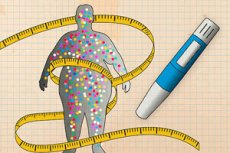
Obesity is increasingly being viewed in medicine not as a temporary problem of "excess weight," but as a chronic, recurring disease that often requires long-term, and sometimes lifelong, treatment. This approach underlies updated recommendations from the US Department of Veterans Affairs and the US Department of Defense, a summary of which was published in the Annals of Internal Medicine.
One of the most notable changes concerns drug therapy. The expert group has made a strong recommendation for semaglutide or tirzepatide for weight loss and subsequent weight maintenance in adults with a body mass index of at least 30 kilograms per square meter, or 27 kilograms per square meter in the presence of obesity-related disease. Drug therapy is considered not as a substitute for diet and physical activity, but in conjunction with a comprehensive lifestyle modification program.
An equally important change concerns the treatment duration. If a drug is effective and well-tolerated, experts do not recommend automatically discontinuing it once the target weight is reached, as stopping therapy is often followed by weight regain. The guidelines explicitly note that long-term treatment is often required to maintain results. However, there is insufficient evidence to recommend a universal strategy of reducing the dose or increasing the interval between doses after weight loss.
But the new guidelines go much further than just popular glucagon-like peptide (GLP-1) medications. The document contains 23 recommendations covering diagnostics, nutrition, physical activity, obesity stigma, medications, gastric balloons, endoscopic gastroplasty, and metabolic bariatric surgery. The main idea is to individually tailor treatment and adjust it over time, similar to how it is done for hypertension or diabetes.
Key points in the updated recommendations
| Question | New position |
|---|---|
| How is obesity viewed? | A chronic disease requiring long-term management |
| The basis of treatment | A comprehensive program: nutrition + physical activity + behavior change |
| Semaglutide | Strong recommendation for appropriate indications |
| Tirzepatide | Strong recommendation for appropriate indications |
| Discontinuation of an effective drug | It is generally not recommended just because the weight has already been lost. |
| Dose reduction after weight loss | There is not enough evidence yet for a universal scheme |
| Bariatric surgery | Considered as an effective long-term treatment |
| Endoscopic sleeve gastrectomy | Added as a separate option |
| Dietary supplements | Not recommended for clinically significant weight control. |
| Number of recommendations | 23 |
| DOI of the publication | 10.7326/ANNALS-26-00676 |
Obesity is being treated as a chronic disease rather than a short-term "weight loss course"
The new version of the guidelines clearly articulates one of the first principles: obesity is a chronic disease requiring lifelong management. This is a significant shift from the traditional model, which recommends a diet for several months, achieves a certain weight loss, and then effectively ends active medical care.
The reason for this approach is physiological. After losing weight, the body triggers mechanisms that promote weight regain: hunger and satiety signals, energy expenditure, and other components of weight regulation change. Therefore, regaining weight after successful weight loss does not necessarily indicate a lack of willpower or "poor discipline." The official VA/DoD clinical manual explicitly describes obesity as a condition in which adaptive physiological responses following weight loss contribute to weight regain.
Another principle of the recommendations follows from this: treatment should be longitudinal and adaptive. The physician and patient can begin with comprehensive lifestyle changes, add medications if necessary, change them if they are ineffective or poorly tolerated, and, in suitable patients, discuss endoscopic or surgical treatment. These are not competing strategies, but different elements of a single system.
The authors also emphasize shared decision-making. It's not just the numbers on the scale that matter, but also comorbidities, functional status, treatment safety, patient preferences, cost and availability of therapy, previous weight loss experience, and the likelihood of long-term adherence to the chosen strategy.
How does the chronic model differ from the old approach?
| Short-term model | Modern chronic model |
|---|---|
| "I need to lose weight" | It is necessary to improve health and control the disease |
| Diet for several months | Long-term strategy |
| Weight achieved - treatment completed | After losing weight, you need to maintain the results. |
| Weight gain is considered a "patient failure" | Physiological mechanisms of relapse are taken into account |
| The medicine is temporary | Long-term use is possible if necessary. |
| One method of treatment | A combination of lifestyle, medications and procedures is possible |
| Fixed plan | Regular reassessment and modification of therapy |
[1]
Body mass index is not enough: doctors should look at the real health risks
For adults, the guidelines continue to use body mass index as a practical screening tool. Values between 25 and 29.9 kilograms per square meter traditionally correspond to overweight, while 30 and above correspond to obesity. For people of Asian descent, the document cites lower thresholds, as metabolic risk may increase with a lower body mass index.
However, an important change is that BMI alone is insufficient to understand a specific individual's risk. Two patients with the same BMI can differ significantly in their visceral fat levels, waist circumference, blood pressure, glucose levels, lipids, presence of fatty liver disease, sleep apnea, and functional limitations. Therefore, the publication in the Annals of Internal Medicine emphasizes the use of BMI in conjunction with waist circumference and clinical context.
The clinical algorithm provides guidelines for increased waist circumference: 102 centimeters for men and 88 centimeters for women, and 90 and 80 centimeters for people of Asian descent, respectively. A waist-to-height ratio of at least 0.50 is also mentioned as a possible indicator of increased risk. These indicators help roughly estimate the accumulation of central fat tissue.
However, the group's formal recommendation is cautious: the available data are insufficient to declare any single measure of body fat the best tool for improving clinical outcomes. This is an important distinction. The experts do not reject body mass index or waist circumference, but they caution that diagnosis and treatment cannot be reduced to a single anthropometric number.
What is now proposed to be taken into account when assessing a patient
| Indicator | What is it for? |
|---|---|
| Body mass index | Rapid primary screening |
| Weight dynamics | Shows the change in state over time |
| Waist circumference | Approximately reflects central obesity |
| Blood pressure | Cardiovascular risk assessment |
| Glucose and carbohydrate metabolism | Detection of prediabetes and diabetes |
| Lipids | Metabolic risk assessment |
| Liver | Detection of metabolic fatty liver disease and fibrosis |
| Sleep apnea and other complications | Influence the choice of treatment |
| Functional state | Sometimes the weight figure itself is more important |
[2]
Diet and exercise remain fundamental – but experts haven't found a "best diet"
Despite the advent of far more effective medications, recommendations do not relegate lifestyle changes to the background. The expert group strongly recommended offering adults with overweight or obesity a comprehensive intervention that simultaneously includes behavioral approaches, nutrition, and physical activity.
To lose weight, diet must create a negative energy balance—on average, the body must consume less energy than it expends. However, the recommendations fundamentally do not declare one specific diet to be the winner. After reviewing the available research, experts concluded that there is insufficient evidence to recommend one specific dietary approach as universally superior for weight loss and maintenance.
This means that a low-carb, Mediterranean, moderately low-fat, or other diet may be appropriate depending on the patient, as long as it provides the necessary energy deficit, adequate nutrition, and can be maintained long-term. The most important practical criterion is not the diet's name, but its safety, quality, tolerability, and the person's ability to adhere to it for months and years.
Regarding activity, the document allows for virtually any type of activity as a component of weight management and health improvement, but to optimize overall well-being, it recommends combining moderate- or high-intensity aerobic exercise with strength training. This is especially important during significant weight loss, when the goal is not only to reduce fat mass but also to maintain muscle mass and physical function.
What does a comprehensive lifestyle change consist of?
| Component | What is recommended? |
|---|---|
| Nutrition | Energy deficit |
| The "best" specific diet | Not installed |
| Behavioral work | A mandatory component of the comprehensive program |
| Physical activity | Any feasible type is suitable |
| To optimize health | Aerobic + strength training |
| After losing weight | Continue the program to maintain the results |
| Telephone support | Can be used instead of or together with in-person |
| One mandatory digital format | There is insufficient evidence |
[3]
Semaglutide and tirzepatide received the strongest possible drug recommendation
The most notable pharmacological point was the inclusion of semaglutide and tirzepatide in a strong recommendation. They are recommended for weight loss and maintenance, along with comprehensive lifestyle interventions, in adults with a body mass index of at least 30 kilograms per square meter, or at least 27 kilograms per square meter in the presence of an obesity-related condition.
This is fundamentally different from the approach taken with most older medications. Semaglutide acts primarily through the glucagon-like peptide-1 receptor, while tirzepatide simultaneously targets both the glucose-dependent insulinotropic polypeptide and glucagon-like peptide-1 receptors. Both mechanisms reduce appetite and alter the physiological regulation of food intake, rather than simply "suppressing the desire to eat" through willpower. In the VA/DoD drug table, both medications are classified as weight-loss medications.
Another separate recommendation concerns people with prediabetes or type 2 diabetes. For overweight or obese patients with these conditions, the group recommends using medications containing glucagon-like peptide type 1 receptor agonists, along with a comprehensive lifestyle program. This recommendation is weaker than the recommendation specifically for semaglutide and tirzepatide for weight management.
The word "strong" here refers specifically to the GRADE system—a method that takes into account the quality of evidence, the balance of benefits and harms, patient preferences, availability, and other factors. It does not mean that semaglutide or tirzepatide are suitable for every person with obesity. Contraindications, tolerability, comorbidities, potential side effects, and patient preference remain essential elements of the decision.
Who is recommended to take semaglutide or tirzepatide?
| Clinical situation | Recommendation |
|---|---|
| Body mass index ≥30 kg/m² | Yes, strong |
| Body mass index ≥27 kg/m² + obesity-related disease | Yes, strong |
| The goal is initial weight loss | Yes |
| The goal is to maintain the achieved weight | Yes |
| Without changing your lifestyle | The recommendations consider the drug in conjunction with a comprehensive intervention. |
| All patients automatically | No |
| Choosing between drugs | Individual |
[4]
"If you've lost weight, you can stop taking the drug" is no longer considered an obvious rule.
The new document places particular importance on the question of what happens after successful weight loss. Previously, obesity treatment was often based on a time-course model: the patient takes the medication, achieves the desired weight, and then discontinues treatment. However, recent studies have shown that weight gain often occurs after effective drug therapy is discontinued. This is why the new recommendation does not recommend stopping the medication automatically.
Formally, the recommendation against drug discontinuation is considered "weak," meaning it allows for individual exceptions. Experts explicitly require consideration of the patient's characteristics and preferences. Discontinuation may be necessary due to adverse events, pregnancy, contraindications, cost, lack of effect, or other clinical circumstances.
However, the treatment logic itself has changed significantly. If blood pressure is normalized thanks to an antihypertensive medication, this does not always mean the medication is no longer needed. Similarly, with obesity, normalization of body weight during therapy may be a result of ongoing treatment, not evidence of the disappearance of the biological tendency to gain weight. This is consistent with the VA/DoD's general position on the chronic and relapsing nature of the disease.
However, the group did not find sufficient data to address another common question: whether it is possible to switch to a lower dose or administer injections less frequently after achieving the goal. Recommendation No. 16 explicitly states that there is insufficient evidence either for or against reducing the dose or frequency of administration to maintain the achieved results. Therefore, the individual "maintenance dose" remains an area where further research is needed.
What do the guidelines say about maintenance therapy?
| Question | Answer |
|---|---|
| Is it necessary to stop taking the drug after achieving the goal? | No |
| Why | Weight gain often occurs after discontinuation. |
| Can the treatment be long-term? | Yes |
| Is treatment always lifelong? | Not necessarily, the decision is individual |
| Can everyone reduce the dose after losing weight? | There is insufficient evidence |
| Can everyone increase the interval between doses? | There is insufficient evidence |
| Is regular revaluation necessary? | Yes |
[5]
Other drugs are not gone: recommendations leave several alternatives
Despite strong support for semaglutide and tirzepatide, the new guidelines do not limit the medical treatment of obesity to these medications alone. The combination of phentermine with extended-release topiramate and liraglutide are also recommended for weight loss and maintenance at the same BMI thresholds, but the recommendation for them is weaker.
Another option is naltrexone in combination with extended-release bupropion. It is also recommended for a body mass index of at least 30, or 27 or higher in the presence of an obesity-related disorder, but the recommendation is again weak. This means that the choice of medication should be carefully tailored to the individual patient's profile.
Of particular interest is the list of medications for which the expert group deemed the evidence insufficient to recommend them specifically as weight loss treatments. This included orlistat, metformin, sodium-glucose cotransporter-2 inhibitors, and pramlintide. This does not mean that these medications have no effect on body weight or have no medical indications. This wording simply means that, given the outcomes assessed and the update methodology, the group was unable to recommend for or against their use specifically as an obesity treatment strategy.
For phentermine monotherapy and a number of other older sympathomimetic drugs, there is insufficient data on maintaining achieved weight loss. Thus, the new regimen demonstrates a significant differentiation in pharmacotherapy: drugs are no longer considered a single, homogeneous category of "diet pills," but differ in the quality of evidence, duration of effect, and ability to maintain results.
How guidelines rank drugs
| Drug/approach | VA/DoD position |
|---|---|
| Semaglutide | Strong recommendation |
| Tirzepatide | Strong recommendation |
| Phentermine/topiramate extended-release | Weak recommendation |
| Liraglutide | Weak recommendation |
| Naltrexone/bupropion | Weak recommendation |
| Orlistat | There is insufficient data to recommend for or against. |
| Metformin as a drug specifically for weight loss | Insufficient data |
| Sodium-glucose cotransporter type 2 inhibitors specifically for weight loss | Insufficient data |
| Pramlintide is specifically for weight loss. | Insufficient data |
[6]
Doctors are advised to review other patient medications that may contribute to weight gain.
Another important, but less prominent, part of the document is an analysis of obesogenic medications—that is, medications for other conditions that can contribute to weight gain. Experts believe it's important to regularly review a patient's full medication list and, when clinically feasible, choose more weight-neutral alternatives.
The VA/DoD drug guide lists certain antipsychotics, antidepressants, antiepileptic drugs, mood stabilizers, and a number of hypoglycemic agents as medications potentially associated with weight gain. For example, among antiepileptic drugs, pregabalin, gabapentin, valproic acid, and divalproex are listed as potentially weight-inducing.
However, the recommendation does not mean that such medications should be discontinued or replaced on one's own for the sake of weight loss. The document itself emphasizes the need for individualization, and for antiepileptic therapy, it specifically states that seizure control remains the priority. Treatment of the underlying condition should always balance benefits and risks.
This approach demonstrates how complex obesity treatment can be. Sometimes a patient may be following a healthy diet and engaging in physical activity, but simultaneously taking several medications that promote weight gain. Correcting this factor—if an equivalent and safe alternative exists—can be part of an overall plan, along with the actual obesity medication.
Examples of drug factors that are suggested to be taken into account
| Category | Examples potentially associated with weight gain |
|---|---|
| Some antipsychotics | Olanzapine, quetiapine, clozapine, etc. |
| Some antidepressants | Mirtazapine, a member of the selective serotonin reuptake inhibitors (SSRIs), a tricyclic drug |
| Antiepileptic/mood stabilizers | Pregabalin, gabapentin, valproate, lithium |
| Some diabetes medications | Insulin, sulfonylurea derivatives, thiazolidinediones |
| Possible tactics | If a safe alternative is available, discuss a weight-neutral option. |
Self-discontinuation of prescribed medications based on their effect on weight is not recommended.
[7]
Endoscopic and surgical methods are now included in a single treatment “ladder”
The update places significant emphasis on methods that fall between drug therapy and traditional bariatric surgery. For temporary weight loss, the document allows for the use of intragastric balloons, along with a comprehensive lifestyle modification program, in patients with a body mass index of at least 30, provided they meet U.S. Food and Drug Administration guidelines. This recommendation is rated weak.
A new option is endoscopic sleeve gastrectomy. This procedure involves placing sutures through an endoscope into the stomach from the inside, reducing its functional capacity without the usual surgical incisions in the abdominal wall. The VA/DoD recommends considering it in conjunction with a comprehensive lifestyle modification program for adults with a body mass index of 30 or greater. The recommendation is also weak, reflecting the limited long-term data available compared to the more studied surgical methods.
For sustainable weight loss, guidelines recommend metabolic and bariatric surgery for a body mass index of at least 35, or 30 or higher in the presence of type 2 diabetes. This significantly reflects the current trend away from historically very high thresholds for surgical treatment, especially when obesity has already caused serious metabolic complications.
The document's key principles specifically note that bariatric procedures are effective for weight loss and particularly capable of improving the course of type 2 diabetes. However, surgery is not viewed as a "one-time, definitive solution": it requires individualized patient selection, follow-up, and monitoring of diet and laboratory parameters.
When procedures are considered
| Method | Who is invited to consider |
|---|---|
| Intragastric balloon | Body mass index ≥30 kg/m², temporary weight loss |
| Endoscopic sleeve gastrectomy | Body mass index ≥30 kg/m² |
| Metabolic/bariatric surgery | Body mass index ≥35 kg/m² |
| Surgery for type 2 diabetes | Can be considered already with a body mass index ≥30 kg/m² |
| Comprehensive lifestyle changes | Maintained as part of treatment |
| After the procedures | Long-term follow-up is required |
[8]
Dietary supplements and fat burners received the opposite recommendation
While the evidence base for obesity medications has expanded significantly, experts found no basis for similar optimism regarding dietary supplements and nutraceuticals. The document's key principles explicitly state that they do not provide clinically significant weight loss or weight control.
Separate recommendation #23 recommends against the use of dietary supplements or nutraceuticals for clinically significant weight management. It has a weak recommendation against, but its direction clearly differs from the recommendations for semaglutide, tirzepatide, and several other licensed medications.
This distinction is especially important in a market filled with numerous products advertised as "metabolism boosters," "carb blockers," or natural fat burners. The mere fact that a plant substance is biologically active does not necessarily mean it leads to sustained, clinically significant weight loss in controlled studies.
The authors effectively draw a clear distinction between medical treatment of chronic disease and the supplement industry. The availability of new effective drugs does not mean that all products claiming to influence appetite or metabolism automatically become proven treatments for obesity.
What do the recommendations say about supplements?
| Statement | Position |
|---|---|
| Dietary supplements provide clinically significant weight loss | Not confirmed |
| Nutraceuticals are recommended as a treatment for obesity | No |
| They can replace proven drugs. | No |
| "Natural" means effective | No |
| VA/DoD Recommendation | Weak recommendation against use for weight management |
[9]
Weight stigma has become a distinct therapeutic issue for the first time
Obesity is often accompanied by stigma—the idea that the condition is entirely due to weak willpower, laziness, or a lack of self-control. A modern understanding of the disease takes into account the much more complex interaction of biology, genetics, environment, and social factors. This is why the new guidelines pay special attention to internalized weight stigma.
The expert group recommends cognitive-behavioral interventions for people who experience significant internalized stigma related to their weight. The recommendation is weak, but its very existence demonstrates a shift in approach: the patient's psychological state is considered part of medical care, not an afterthought.
Stigma can interfere with treatment. People may avoid medical care due to previous negative experiences, hide their eating behavior, perceive weight gain as a personal failure, or discontinue treatment. Therefore, recommendations emphasize empathy, non-judgmental attitudes, and shared decision-making.
It's the chronic obesity model that helps change the language of communication. Instead of simply demanding "eat less," the doctor must analyze the causes of the disease, previous treatment attempts, medications, sleep, metabolic complications, lifestyle, and available therapeutic tools. This is both a medical and organizational restructuring of treatment.
What changes in communication with the patient
| Old stereotype | Recommendations approach |
|---|---|
| "It all depends on willpower." | Weight is regulated by complex biological and external mechanisms. |
| Weight gain = failure | Relapse is typical for chronic disease |
| Pressure and condemnation | Empathetic discussion |
| The same goal for everyone | Individual goals |
| Only the number of kilograms | Health, function and quality of life |
| Stigma is not a medical problem | Internalized stigma may require help |
[10]
The new recommendation does not mean that the drugs should be prescribed to everyone at once.
An important consideration concerns the timing of drug therapy initiation. The expert group considered whether it is necessary to first undertake a long-term course of lifestyle modification and only after its failure should medication be added. It turned out that the data are insufficient to recommend a mandatory delay in drug therapy prior to comprehensive lifestyle modification.
This potentially changes the practice of "first prove you've been trying to lose weight without medication for a sufficient period of time." However, the document also doesn't advocate the opposite—that all patients should be immediately prescribed medications, along with the initial weight-related discussion. The decision should take into account the severity of obesity, complications, previous treatment attempts, and the patient's preferences.
This flexibility is especially important for high-risk patients. A person with severe obesity, diabetes, sleep apnea, or other complications may require more intensive therapy sooner than a mildly overweight patient without metabolic disorders. This is why the guideline is structured as a set of possible pathways, rather than a single, mandatory sequence of "diet → medications → surgery."
Therefore, one of the key ideas of the review published in the Annals of Internal Medicine is the flexible integration of interventions. Lifestyle modification remains the foundation, but medications, endoscopic procedures, and surgery can be introduced promptly when the clinical situation requires them.
Do you have to "fail the diet" before getting the medicine?
| Question | Response to recommendations |
|---|---|
| Is it always necessary to first treat yourself with lifestyle alone for months? | There is insufficient evidence to support mandatory drug retention. |
| Does this mean that everyone needs the medicine at once? | No |
| What is taken into account | Body mass index, complications, previous history, preferences |
| You can combine methods | Yes |
| Basic model | Flexible step or combination therapy |
[11]
How the guidelines were developed: Experts reviewed nearly six years of evidence
The 2025 update replaced the 2020 VA/DoD guidance. This was driven by the rapidly expanding evidence base—primarily the emergence of new drugs, data on long-term pharmacotherapy, and the development of endoscopic treatment methods. The group conducted a systematic search of the literature published between April 1, 2019, and January 6, 2025.
The study was conducted by a multidisciplinary team of clinical experts convened by the Evidence-Based Practice Work Group of the U.S. Department of Veterans Affairs and the Department of Defense. In addition to treatment effectiveness, the experts assessed adverse effects, patient preferences, resources, acceptability, and equity issues.
The GRADE (Grading of Recommendations Assessment, Development, and Evaluation) system was used to determine the strength of recommendations. Therefore, not all recommendations are of equal standing. A "strong recommendation" means that the balance of available evidence sufficiently supports the intervention for the majority of eligible patients; a "weak" recommendation leaves more room for individual choice; and "insufficient evidence" means there is no reliable basis for recommending or opposing a method.
A total of 23 evidence-based guidelines and a unified clinical algorithm have been developed. The authors themselves emphasize that the guidelines are a decision-support tool, not a rigid standard that should be applied equally to every individual. Individual clinical assessment remains mandatory.
How the evidence was assessed
| Component | Approach |
|---|---|
| The period of searching for new research | April 1, 2019 - January 6, 2025 |
| Method | Systematic review |
| Evaluation system | GRADE |
| The benefits were taken into account | Yes |
| The harm was taken into account | Yes |
| Patient preferences were taken into account | Yes |
| Resources and availability were taken into account | Yes |
| Recommendations | 23 |
| Clinical algorithm | Yes |
[12]
Why recommendations are important now
The main change of the past few years is that the medical treatment options for obesity have expanded significantly. Previously, the gap between the relatively modest effects of lifestyle changes and the much more intensive surgical interventions was wide. Modern pharmacotherapy and endoscopic procedures fill a significant gap, allowing for individualized treatment intensity.
Because of this, obesity is increasingly beginning to resemble other chronic diseases. For hypertension, doctors don't just recommend cutting back on salt; they prescribe medication if necessary and continue treatment after blood pressure has returned to normal. New guidelines apply a similar logic to obesity: behavioral changes remain important, but a biological condition may require pharmacological or procedural therapy.
The point about maintaining effective pharmacotherapy is particularly important. If this principle is entrenched in everyday practice, the goal of anti-obesity medications will finally shift from a temporary "weight loss regimen" to long-term disease control and prevention of weight regain. At the same time, cost of therapy, insurance coverage, and drug availability remain important practical constraints, so actual treatment regimens may vary significantly.
Finally, the guidelines demonstrate that obesity treatment can no longer be assessed solely by the number of kilograms lost. Associated conditions, functionality, quality of life, and sustainability of results must be at the center. This is why the Annals of Internal Medicine authors characterize obesity as a condition requiring longitudinal and flexible care pathways that can be adjusted as the patient's needs change.
A major shift in obesity treatment
| Was | It becomes |
|---|---|
| Diet and Willpower | Chronic medical model |
| Weight as the only outcome | Weight + complications + quality of life |
| Medicine as a last resort | The drug can be included in the plan in a timely manner |
| The drug is discontinued after the goal has been achieved. | Effective therapy is often continued |
| One strategy | Several complementary options |
| Surgery only for extremely high weight | More individualized indications |
| Dietary supplements as a popular alternative | Not recommended as a proven treatment |
What is important not to overestimate
First, this is a clinical guideline, not a new randomized trial of semaglutide or tirzepatide. The publication in the Annals of Internal Medicine represents a summary of updated VA/DoD guidelines derived from a cumulative body of research. Therefore, there is no single new patient group or percentage of weight loss that could be attributed to this publication.
Secondly, the guidelines are developed primarily for adults served by the U.S. Department of Veterans Affairs and the Department of Defense: veterans, military personnel, and related patient groups. Many principles are based on a common medical evidence base and have broader implications; however, they are not international, universal guidelines that automatically supersede recommendations from European or national medical societies.
Third, the strong recommendation for semaglutide and tirzepatide does not eliminate safety concerns. The official VA/DoD Prescribing Information lists gastrointestinal adverse events, gallbladder disease, pancreatitis, pregnancy risks, and certain contraindications among the important considerations for drugs in this class. Prescribing decisions should be made in accordance with the specific drug's prescribing information.
Finally, long-term use does not automatically mean "lifelong treatment for everyone." The guidelines recommend not discontinuing effective therapy without a valid reason, but also require consideration of individual preferences, benefits, tolerability, and the clinical situation. The main principle of the new document is not the maximum number of medications, but an individualized long-term strategy.
What the recommendations don't mean
| Possible interpretation | Correctly? |
|---|---|
| "Now everyone who is overweight needs semaglutide." | No |
| "Tirzepatide is suitable for everyone" | No |
| "Diet and exercise are no longer necessary." | No |
| "After losing weight, the drug should never be discontinued." | No |
| "Everyone needs lifelong treatment." | No |
| "The dose definitely can't be reduced." | No, there just isn't enough data yet. |
| "Bariatric surgery replaces follow-up care" | No |
| "The recommendations support dietary supplements" | No |
Key VA/DoD 2025 Recommendations
| No. | Recommendation | Strength |
|---|---|---|
| 2 | Comprehensive lifestyle changes | Strong for |
| 6 | A diet that creates a negative energy balance | Strong for |
| 7 | There is no evidence that one particular diet is superior. | Insufficient data |
| 8 | Physical activity of any suitable type | Weak for |
| 9 | Aerobic + strength training | Weak for |
| 10 | Cognitive-behavioral interventions for internalized weight stigma | Weak for |
| 11 | Intragastric balloon for body mass index ≥30 | Weak for |
| 12 | Bariatric surgery if you are ≥35 or ≥30 + type 2 diabetes | Weak for |
| 13 | Endoscopic sleeve gastrectomy for ≥30 | Weak for |
| 14 | Is it necessary to postpone medications until the completion of the lifestyle program? | Insufficient data |
| 15 | Don't stop taking medication automatically after losing weight | Weak against cancellation |
| 16 | Reduce dose/frequency after reaching target | Insufficient data |
| 17 | Semaglutide or tirzepatide | Strong for |
| 18 | Phentermine/topiramate or liraglutide | Weak for |
| 19 | Naltrexone/bupropion | Weak for |
| 20 | GLP-1 receptor agonist drugs for prediabetes/type 2 diabetes | Weak for |
| 23 | Do not use supplements/nutraceuticals for significant weight control | Weak against |
The main conclusion
The most important thing in the new publication isn't that experts simply added semaglutide and tirzepatide to the list of drugs. The very understanding of how obesity should be treated has changed. Weight loss is seen as the first step, followed by maintaining the results and continuing to manage the disease.
Semaglutide and tirzepatide have received a strong recommendation for appropriate patients, and discontinuing effective pharmacotherapy simply because the patient has already lost weight is no longer considered an optimal universal strategy. This is one of the most clinically significant points of the update.
At the same time, the recommendations do not turn obesity treatment into a one-shot procedure. Nutrition, exercise, and behavioral interventions remain the foundation; medications, endoscopic procedures, and surgery are used as additional tools depending on the severity of the disease and individual risk.
As a result, obesity is increasingly moving from the realm of short-term weight loss programs to long-term chronic treatment. For patients, this means not only more treatment options, but also a different measure of success: not just losing weight, but maintaining the results, reducing complications, and improving health for years to come.
News source
“Adult Overweight and Obesity Management: Updates From the 2025 US Department of Veterans Affairs and US Department of Defense Clinical Practice Guidelines.” Annals of Internal Medicine, 2026. This publication provides a synopsis of key updates to the VA/DoD guideline for primary care physicians. The corresponding author in the Proceedings of the American College of Physicians is James Sall, PhD. DOI: 10.7326/ANNALS-26-00676.
The synopsis is based on the VA/DoD Clinical Practice Guideline for the Management of Adult Overweight and Obesity, Version 4.0, 2025, which contains 23 evidence-based recommendations. To update this guideline, experts systematically reviewed the literature from April 1, 2019, to January 6, 2025, using the GRADE system to assess the strength of recommendations.