
New publications
The MIND diet may protect against structural brain degeneration.
Last updated: 20.03.2026

All iLive content is medically reviewed or fact checked to ensure as much factual accuracy as possible.
We have strict sourcing guidelines and only link to reputable media sites, academic research institutions and, whenever possible, medically peer reviewed studies. Note that the numbers in parentheses ([1], [2], etc.) are clickable links to these studies.
If you feel that any of our content is inaccurate, out-of-date, or otherwise questionable, please select it and press Ctrl + Enter.
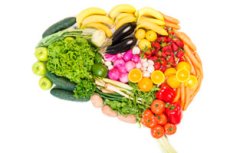
A new prospective study on the association of the MIND diet with long-term changes in brain structure was published in the Journal of Neurology, Neurosurgery & Psychiatry. The study, published online in March 2026, examines how adherence to this dietary pattern correlates with changes in gray matter and ventricular volume over more than 10 years.
The MIND diet is a combination approach that combines elements of the Mediterranean diet and the DASH diet, which is aimed at lowering blood pressure. It emphasizes leafy green vegetables, other vegetables, berries, nuts, whole grains, fish, legumes, olive oil, and poultry. It allows moderate wine consumption and recommends limiting butter and margarine, cheese, red meat, baked goods, sweets, and fried fast foods.
The authors based their work on the fact that the MIND diet has previously been linked to a lower risk of neurodegenerative diseases and better cognitive outcomes, but there was less data on long-term structural changes in the brain. In this regard, the new study is important because it examines not memory performance in a single test or a single scan, but how the brain changes in repeated MRI scans over years.
The study's main finding sounds newsworthy, but the scientific evidence is modest: higher adherence to the MIND diet was associated with a slower decline in gray matter volume and a slower increase in lateral ventricular volume. The authors interpret this as a possible slowing of structural brain aging, but emphasize that this is an association, not a proven cause-and-effect.
Table 1. Research passport. [1]
| Parameter | Data |
|---|---|
| Name | Adherence to the MIND diet and longitudinal brain structural changes over a decade: evidence from the Framingham heart study offspring cohort |
| Magazine | Journal of Neurology, Neurosurgery & Psychiatry |
| Online publication date | March 17, 2026 |
| Design | prospective cohort study |
| Cohort | Framingham Heart Study Offspring cohort |
| Number of participants | 1647 |
| DOI | 10.1136/jnnp-2025-336957 |
How the study was conducted
The analysis included 1,647 middle-aged and older adults from the Framingham Heart Study Offspring cohort. Their average age at baseline was approximately 60 years. All had follow-up examinations, and at the time of their first MRI, they had no signs of stroke or dementia.
Dietary patterns were assessed using validated frequency questionnaires, which participants completed several times during visits around 1991-1995, 1995-1998, and 1998-2001. Based on these data, the MIND dietary score was calculated. The average score in the cohort was just below 7 out of a possible 15 points, indicating that the majority did not have perfect compliance with this dietary pattern.
Brain structure was monitored using magnetic resonance imaging (MRI) scans performed between 1999 and 2019. Participants underwent repeated MRI scans, with a median of three scans. The average follow-up period was approximately 12.3 years, making this study particularly valuable: it shows not a snapshot, but rather the direction of change over time.
The researchers then used linear mixed models to assess whether the overall MIND score and individual dietary components were associated with rates of change in various neuroimaging measures. The model also controlled for other participant characteristics, and the authors further tested whether the results varied across subgroups based on age, body weight, and physical activity level.
Table 2. How the analysis was structured. [2]
| Element | What the researchers did |
|---|---|
| Nutrition assessment | repeated validated food questionnaires |
| Impact Calculation | MIND diet score |
| Brain assessment | repeat magnetic resonance imaging |
| MRI period | 1999-2019 |
| Median number of MRIs | 3 |
| Median observation | 12.3 years |
| Basic analysis | linear mixed models |
What the results showed
During the observation period, participants generally showed age-related brain changes: total brain volume, gray and white matter volume, and hippocampal volume decreased, while ventricular and cerebrospinal fluid volumes increased. In other words, the study documented normal brain aging, not its absence. The question was: in whom were these changes occurring more slowly?
The researchers found the most consistent signal for gray matter. Each additional 3-point increase on the MIND scale was associated with a slower decline in total gray matter volume of 0.279 cm³ per year. The authors calculated this to be approximately a 20.1% reduction in age-related decline and equivalent to approximately 2.5 years of reduced structural brain aging over the 12.3 years of follow-up.
The second important result concerned the brain ventricles. With higher adherence to the MIND diet, the lateral ventricles enlarged more slowly: the overall effect for the lateral ventricles was -0.071 cm³ per year, and for the left lateral ventricle, -0.041 cm³ per year. Because ventricular enlargement often reflects brain tissue loss, the authors interpret this result as another indirect indicator of slower atrophy.
In relative terms, this corresponded to approximately 8.0% and 8.8% reduction in age-related changes and approximately one year of slower brain aging over the observation period. The study focused specifically on gray matter and ventricles: it was for these parameters that the association proved most convincing and repeatable.
Table 3. Main quantitative results. [3]
| Indicator | Result |
|---|---|
| Increase of 3 points on the MIND scale | associated with slower gray matter decline |
| Rate of change of gray matter | +0.279 cm³ per year |
| 95% confidence interval | 0.089 to 0.469 |
| Attenuation of age-related gray matter changes | 20.1% |
| Time equivalent | approximately 2.5 years less brain aging |
| Change in the volume of the lateral ventricles | -0.071 cm³ per year |
| 95% confidence interval | -0.125 to -0.017 |
| Time equivalent | approximately 1 year less brain aging |
Which products gave the most noticeable signal?
The authors separately examined which components of the MIND diet were most strongly associated with neuroimaging changes. Berries and poultry provided the most favorable signals. Higher berry consumption was associated with a slower increase in ventricular volume, while higher poultry consumption was associated with both a slower increase in ventricular volume and a slower decrease in gray matter volume.
On the other hand, sweets and fried fast food were associated with a more rapid dilation of the ventricles and more pronounced hippocampal atrophy. Fried fast food was also associated with a greater reduction in hippocampal volume. This fits well with the general biological logic regarding the role of inflammation, vascular damage, and oxidative stress.
The study also yielded some unexpected results. For example, higher whole grain consumption in this cohort was associated with less favorable structural changes, including faster gray matter and hippocampal volume loss and faster ventricular enlargement. Another surprise was that higher cheese consumption was associated with slower gray matter and hippocampal volume loss, less ventricular enlargement, and fewer white matter lesions.
It's these unexpected signals that require particularly careful interpretation. They don't necessarily mean we need to immediately change our basic understanding of a healthy diet or, for example, consider cheese a "brain-protective food." Rather, they serve as a reminder that component analysis in observational studies can reflect not only the properties of the food itself, but also overall lifestyle, portion sizes, dietary context, and the characteristics of a particular population.
Table 4. Which diet components were associated with more favorable and less favorable changes.[4]
| Component | Direction of communication |
|---|---|
| Berries | slower increase in ventricular volume |
| Bird | slower increase in ventricular volume and slower decrease in gray matter |
| Sweets | more rapid ventricular dilation and more pronounced hippocampal atrophy |
| Fried fast food | more pronounced decrease in hippocampal volume |
| Whole grains | unexpectedly associated with less favorable changes |
| Cheese | unexpectedly associated with more favorable changes |
For whom was the connection stronger and what does it mean?
The association between higher MIND adherence and slower atrophy was stronger in older adults. This can be interpreted in two ways. The first is that the diet truly has a greater impact in areas where the risk of accelerated aging is higher. The second is that differences are simply easier to detect in older individuals because the rate of age-related brain changes is, on average, faster in older individuals.
Stronger associations were also observed among more physically active participants and those who were not overweight or obese. This suggests an important practical implication: brain health is likely supported not by a single miraculous habit, but by a combination of factors—diet, body weight, exercise, and cardiovascular risk management.
But it's important not to overestimate the strength of this news. The study didn't directly measure memory, thinking, or the primary outcome of dementia. It looked at structural brain markers using magnetic resonance imaging. These are very important biomarkers, but they still don't equate to actual clinical memory loss in a given individual.
Therefore, the practical conclusion is this: this study strengthens the case for a MIND-like diet as part of a strategy for healthy brain aging, but it doesn't guarantee that such a diet will prevent dementia. Rather, it is a strong observational signal in favor of a healthy dietary pattern, best considered in conjunction with physical activity, blood pressure control, metabolic health, and smoking cessation.
Limitations of the study
This is an observational study, meaning it can't be used to draw firm conclusions about cause and effect. Even if the association between the MIND diet and slower brain aging is statistically robust, it remains possible that some of the effect is explained by the associated characteristics of people who eat a healthier diet. For example, the top third of MIND adherents included more women, people with higher education, fewer smokers, and fewer people with obesity, diabetes, hypertension, and cardiovascular disease.
The authors also explicitly point out the limitations of dietary questionnaires. Such questionnaires rely on memory and accurate self-reporting, and a person's diet can change over time. Furthermore, the researchers were unable to completely rule out mild cognitive impairment at the time of the first MRI scan, nor did they account for all possible genetic risk factors.
Another limitation relates to the sample composition. The participants were predominantly white, so the results cannot be automatically generalized to all ethnic groups and all cultural dietary patterns. Furthermore, although there were over 5,000 potentially eligible participants, the final analysis was conducted on 1,647 people, which also requires caution when generalizing the findings.
That's why this news should be read with a grain of salt. It doesn't prove that MIND "rejuvenates the brain," but it adds high-quality long-term data to the existing line of research on the benefits of a healthy diet for the brain. For clinical practice, this isn't just a prescription, but a compelling argument that dietary habits can be part of the prevention of age-related neurodegenerative disorders.
News source: Chen H, Hailili G, Tong LS, Fei L, Cao Y, Xu X, Li X, Melo van Lent D, Yuan C. Adherence to the MIND diet and longitudinal brain structural changes over a decade: evidence from the Framingham heart study offspring cohort. Journal of Neurology, Neurosurgery & Psychiatry. Published online March 17, 2026. DOI: 10.1136/jnnp-2025-336957.