
New publications
For the first time, unified guidelines for cardiorenal metabolic syndrome have been released: the heart, kidneys, diabetes, and obesity are proposed to be treated as one interconnected problem.
Last updated: 16.08.2026

All iLive content is medically reviewed or fact checked to ensure as much factual accuracy as possible.
We have strict sourcing guidelines and only link to reputable media sites, academic research institutions and, whenever possible, medically peer reviewed studies. Note that the numbers in parentheses ([1], [2], etc.) are clickable links to these studies.
If you feel that any of our content is inaccurate, out-of-date, or otherwise questionable, please select it and press Ctrl + Enter.
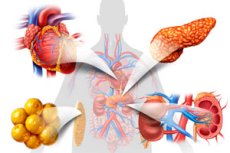
The American Heart Association and the American College of Cardiology, together with the American Diabetes Association and the American Society of Nephrology, have released the first clinical guidelines for the prevention, detection, evaluation, and treatment of cardiorenal metabolic syndrome (CKM syndrome). The document, published in the journal Circulation, brings together in a single system diseases that have traditionally been treated by different specialists: obesity, type 2 diabetes, chronic kidney disease, and cardiovascular disease. [1]
The main idea of the guidelines is that these conditions should not be considered as independent diagnoses. Excess fat can impair insulin sensitivity and increase blood pressure, diabetes damages blood vessels and kidneys, chronic kidney disease dramatically increases cardiovascular risk, and heart failure, in turn, can impair kidney function. Therefore, the new model proposes assessing the holistic course of disease progression—from early metabolic disturbances to clinical damage to the heart and kidneys. [2]
The guidelines introduce a scale from stage 0 to stage 4. At stage 0, there are no risk factors; at stage 1, excess body fat or prediabetes appears; stage 2 includes conditions such as hypertension, type 2 diabetes, metabolic syndrome, or chronic kidney disease; stage 3 signifies either latent cardiovascular damage or a very high predicted risk; and stage 4 signifies clinically evident cardiovascular disease. The authors emphasize that movement along the scale is not necessarily irreversible: in the early stages, weight loss, lifestyle changes, and drug therapy can lead to risk regression. [3]
Modern medications—glucagon-like peptide-1-based therapy and sodium-glucose cotransporter-2 inhibitors—have gained a special place. They are now being proposed for selection beyond blood sugar levels: in patients with diabetes, obesity, chronic kidney disease, and increased cardiovascular risk, they are being considered as drugs capable of simultaneously protecting the heart and kidneys. In some situations, metabolic or bariatric surgery is also considered. [4]
| Key change | Recommendations for 2026 |
|---|---|
| Main concept | The heart, kidneys and metabolism are considered as a single system |
| Staging | 0-4 |
| Risk assessment | PREVENT - 10- and 30-year risk |
| Obesity | Body mass index + waist circumference |
| Diabetes | Cardiovascular and renal protection of therapy is taken into account |
| Chronic kidney disease | Estimated glomerular filtration rate + urine albumin/creatinine |
| Modern drugs | SGLT2 inhibitors, GLP-1-based therapy, mineralocorticoid receptor antagonists |
| Severe obesity | Metabolic/bariatric surgery may be an option |
| Organization of assistance | Interdisciplinary team and coordinator |
| Social factors | It is proposed to evaluate systematically |
[5]
What is cardiorenal metabolic syndrome?
Cardiorenal metabolic syndrome is not a separate diagnosis in addition to diabetes, obesity, or hypertension. It is a model that describes the mutually reinforcing interactions between metabolic disorders, chronic kidney disease, and cardiovascular disease. The American Heart Association first formalized this concept in 2023, and the 2026 guidelines for the first time translate it into a comprehensive clinical algorithm. [6]
A typical path may begin with an increase in visceral adipose tissue. Visceral adipose tissue is a metabolically active organ and influences insulin sensitivity, inflammation, blood pressure, and lipid metabolism. This may then lead to prediabetes, hypertension, elevated triglycerides, or diabetes. These changes simultaneously increase the burden on the vascular system and kidneys. This is why recommendations focus not just on body weight, but on abdominal obesity and a person's metabolic state. [7]
Chronic kidney disease is another powerful driver of this process. The kidneys are involved in controlling blood pressure, fluid volume, electrolytes, and hormonal mechanisms affecting blood vessels. When their function deteriorates or albumin appears in the urine, the risk of heart failure, atherosclerotic cardiovascular events, and further loss of renal function increases. Therefore, the new system considers renal parameters not as a separate nephrological issue, but as part of an overall cardiovascular risk assessment. [8]
Feedback also operates in the opposite direction. Heart failure can reduce renal perfusion and promote fluid retention; vascular disease impairs organ blood flow; metabolic disturbances intensify inflammatory and hemodynamic processes. As a result, the patient eventually receives multiple diagnoses, although biologically they may be manifestations of a single, interconnected chain. [9]
| CKM component | How is it related to the others? |
|---|---|
| Abdominal obesity | Insulin resistance, inflammation, hypertension |
| Prediabetes/diabetes | Damage to blood vessels and kidneys |
| Hypertension | Damage to the heart, blood vessels and kidneys |
| Dyslipidemia | Atherosclerosis |
| Chronic kidney disease | Dramatically increases cardiovascular risk |
| Heart failure | May further impair kidney function |
| Atherosclerosis | Associated with metabolic and renal factors |
[10]
New scale: from stage 0 to stage 4
Stage 0 corresponds to optimal cardiorenal-metabolic health: the person has no identified risk factors for CKM. Here, the goal of medicine is not to treat the disease, but to maintain normal body weight, blood pressure, sugar and lipids, sufficient physical activity, adequate sleep, a healthy diet, and the absence of nicotine exposure. [11]
Stage 1 represents the earliest signs of metabolic dysfunction. This includes excess weight or increased waist circumference, insulin resistance, and prediabetes in the absence of more severe metabolic disorders, chronic kidney disease, and clinical cardiovascular disease. It is here that the authors particularly emphasize the possibility of reversing the process. [12]
At stage 2, established metabolic or renal disorders appear: arterial hypertension, type 2 diabetes, elevated triglycerides, metabolic syndrome, or chronic kidney disease. Clinical cardiovascular disease may not yet be present, but the likelihood of its development increases significantly, and the scope of preventive therapy increases. [13]
Stage 3 is a particularly important innovation. A person may not yet have had a heart attack, stroke, or symptomatic heart failure, but already has latent cardiovascular disease or the equivalent of extremely high risk—for example, very high-risk chronic kidney disease or a predicted 10-year cardiovascular risk according to PREVENT of at least 20%. This is the stage of "silent damage," when the absence of outward symptoms no longer signifies low risk. [14]
Stage 4 signifies diagnosed cardiovascular disease combined with metabolic or renal problems. This includes coronary artery disease, heart failure, stroke, peripheral arterial disease, and atrial fibrillation. At this level, the goal is no longer simply to prevent the initial event but also to intensively address secondary prevention of recurrent complications and further loss of kidney function. [15]
| Stage | Typical signs | The main task |
|---|---|---|
| 0 | No CKM risk factors | Maintain health |
| 1 | Overweight/abdominal obesity, prediabetes | Prevent progression and achieve regression |
| 2 | Hypertension, type 2 diabetes, metabolic syndrome, dyslipidemia and/or CKD | Actively manage risk factors |
| 3 | Occult cardiovascular disease, very high risk of CKD or PREVENT ≥20% | Intensive primary prevention |
| 4 | Clinical cardiovascular disease | Secondary prevention and organ protection |
[16]
PREVENT becomes the central risk calculator
One of the biggest practical changes is the integration of the PREVENT calculator—Predicting Risk of Cardiovascular Disease EVENTs—directly into staging and treatment selection. Unlike older calculators, PREVENT attempts to take into account not only classic cardiovascular factors but also metabolic and renal health indicators. [17]
The model is based on current data from more than 6.5 million US adults. It estimates the 10-year and 30-year risk of overall cardiovascular disease in individuals aged 30-79 years without known cardiovascular disease. Risks for atherosclerotic disease, heart failure, and all cardiovascular outcomes are calculated separately. [18]
Standard clinical indicators can be supplemented with the urine albumin-to-creatinine ratio, glycated hemoglobin, and the social deprivation index. In other words, the new model attempts to assess a person not only as "blood pressure + cholesterol + age," but also takes into account kidney function, metabolic status, and social environment. [19]
Specific thresholds are emerging in the guidelines. PREVENT-CVD ≥20% at 10 years may be one of the criteria for stage 3 CKM. A threshold of ≥7.5% is used to discuss the prioritization of certain cardioprotective drug strategies. And with a calculated PREVENT-HF risk of ≥5%, additional testing for subclinical or pre-heart failure using biomarkers or echocardiography may be beneficial. [20]
| PREVENT | Meaning in recommendations |
|---|---|
| Population | 30-79 years without established CVD |
| Initial data | >6.5 million people |
| Grade | 10- and 30-year risk |
| ASCVD | It is being calculated |
| Heart failure | It is being calculated |
| Overall cardiovascular risk | It is being calculated |
| PREVENT-CVD ≥20% | One of the criteria of CKM-3 |
| PREVENT-CVD ≥7.5% | May influence the choice of cardioprotective therapy |
| PREVENT-HF ≥5% | May provide grounds for further assessment of subclinical HF |
[21]
Obesity is now assessed not only by body mass index
The new guidelines significantly shift the focus on obesity. The authors emphasize that the same body weight does not mean the same metabolic risk: the amount of fat tissue, its distribution, and its impact on sugar, lipids, blood pressure, liver, and kidney function are all important. Excess fat accumulation in the abdominal region is considered particularly unfavorable. [22]
Therefore, it is recommended to simultaneously assess body mass index and waist circumference. Body mass index remains a convenient method of population classification, but waist circumference adds information about abdominal obesity. This approach should help identify high metabolic risk in individuals whose weight alone may not appear particularly high. [23]
Treatment of overweight and obesity is not solely aimed at reducing weight. The goal is to prevent progression to a higher stage of CKD or to achieve regression of an existing syndrome. The mainstay remains changes in diet, physical activity, and other lifestyle components, but if necessary, the guidelines include pharmacotherapy for obesity. [24]
Metabolic or bariatric surgery is also available for suitable patients. Thus, obesity is considered an active component of cardiorenal-metabolic pathology, and not simply a cosmetic problem or one of many statistical risk factors. [25]
GLP-1 drugs have a new role - beyond sugar and weight reduction.
One of the most notable innovations concerns glucagon-like peptide-1-based therapy. For the first time in the context of CKM syndrome, the guidelines recommend such drugs for individual patients with obesity and/or type 2 diabetes mellitus and increased cardiovascular risk not only for the purpose of glycemic control or body weight, but also to reduce the risk of cardiovascular events. [26]
This reflects a fundamental change in diabetology in recent years. The choice of hypoglycemic therapy is now less and less determined solely by the drug's ability to reduce glycated hemoglobin. The presence of heart failure, atherosclerosis, chronic kidney disease, obesity, and metabolically associated fatty liver disease are becoming more important. [27]
In patients with type 2 diabetes and cardiovascular disease or high cardiovascular risk, recommendations include SGLT2 inhibitors, GLP-1-based therapy, or a combination of both as the main cardioprotective options, if appropriate for the clinical situation. The choice of a specific approach should be determined by the patient's comorbidities. [28]
However, the new document does not mean that every overweight person automatically requires GLP-1 therapy. Pharmacotherapy complements, not replaces, basic preventive measures, and the decision should depend on the stage of CKM, absolute risk, comorbidities, expected benefits, contraindications, and patient preferences. [29]
| Clinical situation | Potential role of GLP-1-based therapy |
|---|---|
| Obesity | Reducing weight and CKM risk in eligible patients |
| Type 2 diabetes | Glycemic control + cardiometabolic benefits |
| Increased CV risk | May be used to reduce cardiovascular events |
| Existing SVZ | Considered as a cardioprotective therapy |
| MASLD | May influence drug choice |
| Low absolute risk | The solution is individualized |
| Replacement of a healthy lifestyle | No |
[30]
SGLT2 inhibitors are becoming drugs for both the heart and kidneys.
Sodium-glucose cotransporter-2 inhibitors have gained an equally important place. They were originally developed as hypoglycemic agents: the drug causes the kidneys to excrete some glucose in the urine. However, clinical studies have gradually shown that their effects extend far beyond blood sugar reduction. This is why they are considered cardiorenal agents in CKM guidelines. [31]
In chronic kidney disease combined with type 2 diabetes mellitus or albuminuria, recommendations include a renin-angiotensin system inhibitor and an SGLT2 inhibitor among the first lines of organ-protective therapy. The goal is to simultaneously slow the deterioration of kidney function and reduce cardiovascular complications. [32]
SGLT2 inhibitors also play a key role in heart failure. In heart failure with reduced ejection fraction, they are part of modern quadruple therapy along with renin-angiotensin system blockade/ARNI, a beta-blocker, and a steroidal mineralocorticoid receptor antagonist. [33]
In heart failure with moderately reduced or preserved ejection fraction, SGLT2 is also called first-line therapy. This is a good example of the new CKM philosophy: one drug is chosen not because of the specific diagnosis, but because it can simultaneously improve outcomes in several interconnected organ systems. [34]
Urine analysis is becoming one of the key cardiovascular tests
To assess chronic kidney disease, guidelines recommend looking beyond creatinine and estimated glomerular filtration rate. A second key indicator is the urine albumin-to-creatinine ratio. Together, these two parameters help determine the stage of kidney disease and, simultaneously, cardiovascular risk. [35]
Albuminuria can occur even when the estimated glomerular filtration rate is relatively intact. It indicates damage to the renal filter and is also an important marker of vascular risk. Therefore, a person with "normal creatinine" does not necessarily have completely healthy kidneys if albumin in the urine is elevated. [36]
In chronic kidney disease and type 2 diabetes mellitus, if albuminuria persists despite background therapy, guidelines include the possibility of adding a non-steroidal mineralocorticoid receptor antagonist or GLP-1-based therapy for additional cardiorenal protection.[37]
Thus, urine analysis is effectively transforming from a "nephrological" test into a component of general preventive cardiology. This is one of the most obvious examples of how the CKM concept is blurring the previous boundaries between specialties. [38]
| Indicator | What does it give? |
|---|---|
| Blood creatinine | Basis for calculating kidney function |
| eGFR | Evaluates the filtration function |
| UACR | Detects albuminuria |
| HbA1c | Characterizes chronic glycemia |
| Pressure | Assesses vascular load |
| Lipids | Atherosclerotic risk |
| Waist circumference | Abdominal adipose tissue |
| PREVENT | Integrates factors into absolute cardiovascular risk |
[39]
It is suggested that heart failure should be looked for even before symptoms appear.
An interesting part of the new strategy is the focus on pre-heart failure. At this stage, a person may not yet have shortness of breath, edema, or typical clinical heart failure, but they already have structural changes in the heart or elevated biomarkers indicating increased risk. [40]
PREVENT-HF is used to identify those who may particularly benefit from additional testing. If the 10-year risk of heart failure reaches 5% or higher, the use of cardiac biomarkers or echocardiography can help detect subclinical pathology and modify preventive strategies. [41]
This is an important shift from the traditional model of treating heart failure aggressively after symptoms appear. The CKM concept views obesity, diabetes, hypertension, and kidney disease as signals that allow for the early detection of heart disease. [42]
In established heart failure, recommendations call for simultaneous treatment of CKD components—obesity, diabetes, and chronic kidney disease. In patients with preserved or moderately reduced ejection fraction, GLP-1 therapy is considered separately in addition to SGLT2 inhibitors in patients with obesity or other relevant CKD factors. [43]
For the first time, social living conditions were integrated into the recommendations
The authors believe it is insufficient to measure blood pressure, sugar, and kidney function if they simultaneously ignore the conditions under which a person attempts to follow medical recommendations. Therefore, they propose regularly assessing social determinants of health—in particular, food insecurity, unstable housing, and financial difficulties. [44]
The logic is quite practical. Advice to buy more fresh produce is of little help to someone who cannot afford the diet. Similarly, treating a chronic disease requires regular checkups and medications, and financial or transportation inaccessibility to medical care can minimize the benefits of the recommendations. This explains why social risk is included in the general CKM model. [45]
PREVENT also allows for the optional inclusion of the social deprivation index, along with glycated hemoglobin and albuminuria. This does not imply that social status is a disease. It is used as additional information that can improve the assessment of real long-term risk. [46]
Thus, prevention is not viewed solely as a matter of patient willpower. The guidelines recognize that the likelihood of developing and successfully treating CKM syndrome also depends on access to healthy food, medications, medical care, and stable social conditions. [47]
Instead of four separate doctors, a single team is proposed
One of the main organizational challenges of CCM is the fragmentation of medical care. A patient with diabetes may be seen separately by an endocrinologist, a patient with chronic kidney disease by a nephrologist, and a patient with heart failure by a cardiologist, with medications and preventive goals partially overlapping. [48]
The guidelines recommend a multidisciplinary model for patients with concurrent type 2 diabetes, chronic kidney disease, and cardiovascular disease. They emphasize the need for a single person to act as a care coordinator. This could be a physician or another member of the healthcare team, depending on the healthcare system. [49]
Its purpose is not to replace a cardiologist, endocrinologist, or nephrologist, but to ensure that necessary tests are actually performed, medications are coordinated, evidence-based therapy is not missed, and the patient understands the overall plan. The new model effectively recognizes that in complex CKM syndrome, responsibility should not be spread across multiple medical specialties. [50]
The American Heart Association specifically notes that the use of navigators or coordinators can improve communication between patients, primary care providers, and specialists. In the long term, this organizational change may prove as important as the introduction of new drugs. [51]
Lifestyle remains the foundation, despite new drugs
Despite the emphasis on GLP-1, SGLT2, and other modern medications, the guidelines do not replace a preventative lifestyle with them. At all stages—from 0 to 4—the American Heart Association's Life's Essential 8 components remain the foundation. [52]
These include a healthy diet, regular physical activity, no tobacco or nicotine use, adequate sleep, maintaining a healthy weight, and controlling cholesterol, glucose, and blood pressure. For adults, the optimal sleep duration according to Life's Essential 8 concept is approximately 7-9 hours per night. [53]
An important feature of the CKM concept is that improving one indicator has the potential to positively impact several organs at once. For example, physical activity helps control blood pressure, body weight, and glucose; quitting smoking reduces vascular and renal risk; and reducing excess body fat can improve metabolic health and reduce stress on the heart. [54]
But the guidelines also move away from the idea that if someone is severely obese or diabetic, it's enough to tell them to "eat less and exercise more." When the absolute risk is high, lifestyle changes are recommended to be combined with proven drug or surgical therapy, if indicated. [55]
| Life's Essential 8 | Contact CKM |
|---|---|
| Nutrition | Weight, sugar, lipids, blood pressure |
| Physical activity | Metabolism and vascular health |
| Quitting nicotine | Heart, blood vessels and kidneys |
| Dream | Blood pressure, body weight, glycemia |
| Body weight | One of the key CKM factors |
| Cholesterol | Atherosclerotic risk |
| Glucose | Diabetes and organ damage |
| Blood pressure | Heart, brain and kidneys |
[56]
Why a new concept could change the routine medical examination
Before the advent of the CKM approach, a person might receive the following conclusion: "Your blood sugar is slightly elevated," "You are overweight," "Your blood pressure is still borderline," or "Your kidney function has slightly declined." Each indicator individually might not seem significant enough. New recommendations suggest looking at their totality and their direction over time. [57]
For example, abdominal obesity and prediabetes may indicate stage 1. The development of hypertension, diabetes, or chronic kidney disease moves the patient to stage 2. The discovery of subclinical heart disease or a very high predicted risk means stage 3—even before a heart attack or stroke. [58]
This creates the opportunity to intervene earlier. Instead of waiting for the first major cardiovascular event, the physician can assess absolute risk, renal function, albuminuria, abdominal obesity, and glycemia and choose a strategy designed to prevent progression to the next stage. [59]
However, staging should not be taken as a prognosis. The American Heart Association emphasizes that a person can remain at one stage or even advance to a more favorable one with effective risk factor reduction and treatment. The possibility of regression of CKM syndrome is one of the key ideas of the new document. [60]
How common is the problem?
The American Heart Association reports that nearly 9 in 10 U.S. adults have at least one CKM syndrome factor—overweight, high blood pressure, lipid abnormalities, high glucose, or decreased kidney function. This figure illustrates why the new concept is being viewed not as a niche problem, but as a public health issue. [61]
However, the presence of one risk factor does not mean that nearly 90% of the population has severe heart and kidney disease. Most of these people are in the early stages, where absolute risk varies greatly. This is why guidelines introduce staging and PREVENT, rather than recommending a one-size-fits-all approach. [62]
According to the authors of the guidelines, approximately 40% of adults and 21% of children and adolescents in the United States are obese. Obesity is considered one of the main factors that can initiate and maintain the cardiovascular-renal-metabolic chain. [63]
The American Heart Association also estimates that at least three-quarters of American adults may have potentially reversible stages of CKD. The word "reversible" here doesn't mean that diabetes or chronic kidney disease can be completely reversed, but rather reflects the idea that interventions to manage weight, blood pressure, glycemia, and other factors can reduce overall risk and, in some cases, return a person to a more favorable stage. [64]
This is not a new clinical trial.
It's important to understand the publication type correctly. DOI 10.1161/CIR.00000000000001453 is not a study in which one group of patients was treated with a new algorithm and compared with a control group. It is a comprehensive clinical guideline in which an expert group systematized existing data and translated it into recommendations. [65]
To prepare the document, a systematic literature search was conducted from October 29, 2024, to April 14, 2025. The authors searched MEDLINE/PubMed, EMBASE, the Cochrane Library, and other sources for clinical trials, systematic reviews, and meta-analyses in humans published since 2015. [66]
The guideline replaces and significantly expands the 2013 recommendations for the management of overweight and obesity in adults. This represents more than just a minor adjustment to one section of cardiology: instead of a document primarily devoted to weight, it now provides a general algorithm for cardiorenal-metabolic medicine. [67]
The authors call the document a "living working guide" intended for cardiologists, endocrinologists, nephrologists, primary care physicians, and other specialists. This underscores its central idea: CKM syndrome cannot be effectively managed within a single traditional medical specialty. [68]
What the guidelines say—and what they don't say
| The recommendations state | They don't claim |
|---|---|
| The heart, kidneys and metabolism are closely linked | That it is one single disease with one cause |
| CKM can be staged from 0 to 4 | That every patient will definitely progress to stage 4 |
| Early stages may regress | That any organ damage is completely reversible |
| PREVENT helps assess absolute risk | That the calculator predicts the future with 100% accuracy |
| GLP-1 therapy may reduce CKM risk in appropriate patients | That everyone with excess weight needs it |
| SGLT2 provides cardiorenal protection in certain groups | That the drug is suitable for everyone, regardless of diagnosis |
| Waist circumference complements body mass index | That BMI has completely lost its meaning |
| UACR is needed for a complete assessment of the kidneys. | That a normal UACR rules out all kidney diseases |
| Bariatric surgery may be part of the treatment | That surgery is required for all obese patients |
| Multidisciplinary care is preferred for complex CCM | That every patient needs four specialists |
[69]
What has changed compared to the previous approach
The first and most fundamental change is the rejection of "organ silos." Diabetes is no longer viewed solely as a sugar problem, chronic kidney disease solely as a nephrologist's problem, and obesity as a weight issue. The value of therapy is increasingly determined by how many cardiovascular and renal events it can prevent. [70]
The second change is that formal staging allows for much earlier intervention. Stage 3 can exist in a person without symptoms and without a history of heart attack or stroke. This transforms subclinical damage and calculated absolute risk into real grounds for more intensive prevention. [71]
The third change is that therapeutic choices are becoming multi-targeted. An SGLT2 inhibitor, a GLP-1-based drug, a renin-angiotensin system blocker, or a mineralocorticoid receptor antagonist are assessed not only by a single laboratory parameter, but by their ability to protect multiple organs simultaneously in a given patient. [72]
Finally, the new system attempts to shift medicine from a complication-based approach to risk trajectory management. The primary question shifts from "What disease does the patient already have?" to "What stage of the interrelated process are they at, and what can be done now to prevent a heart attack, heart failure, or kidney failure in ten years?" This summarizes the very philosophy of the new guidelines. [73]
The main conclusion
The new 2026 guidelines effectively propose stopping the perception of obesity, diabetes, chronic kidney disease, and cardiovascular disease as a sequence of independent problems. Instead, they are viewed as a single cardiorenal-metabolic continuum that can be identified and treated long before the development of terminal organ damage. [74]
The most notable practical innovation is the 0-4 scale, supplemented by the PREVENT calculator. A threshold of 20% of ten-year cardiovascular risk can move a patient to stage 3 even in the absence of a clinical cardiovascular event, and a level of 7.5% can already influence the discussion of cardioprotective pharmacotherapy. [75]
In diabetes and chronic kidney disease, SGLT2 inhibitors, GLP-1-based drugs, and other organ-protective approaches are increasingly important. Obesity is proposed to be assessed by body mass index and waist circumference and, if necessary, treated not only with lifestyle modifications but also with medications or metabolic surgery. [76]
But perhaps the most important change is organizational. The new guidelines propose treating not individual blood sugar, creatinine, weight, or heart disease, but rather the individual at risk, integrating prevention, cardiology, endocrinology, and nephrology. It is this attempt to move from fragmented care to a unified model that makes the document one of the most significant changes in preventive cardiometabolic medicine in 2026. [77]
News source
Ndumele CE, Rodriguez F., Dixon DL, Khan SS, Mukherjee D., Bajaj M., Bangalore S., Bozkurt B., Breathett K., Clarke SL, de Boer IH, Ellison DH, Evangelista LS, Heffron SP, Kazi DS, Kulshreshtha A., Lingvay I., Low Wang CC, Mercado CA, Morton JM, Neeland IJ, Pagidipati N., Powell-Wiley TM, Rangaswami J., Rao G., Reza N., Saeed A., St. Peter W., Starks JB, Sterling M., Talbot AW, Tran AH, Tuttle KR, VanWagner LB, Vest AR, Virani SS 2026 AHA/ACC/ADA/ASN Guideline for the Prevention, Detection, Evaluation, and Management of Cardiovascular-Kidney-Metabolic Syndrome: A Report of the American College of Cardiology/American Heart Association Joint Committee on Clinical Practice Guidelines. Circulation. Published online June 9, 2026.
In the printed bibliography, the publication is listed as Circulation. 2026;154:e50-e158. The guideline is also concurrently published in the Journal of the American College of Cardiology, reflecting its collaborative development by several professional societies.