
New publications
The FDA has cleared the first wearable sensor that continuously monitors glucose and ketones simultaneously.
Last updated: 30.08.2026

All iLive content is medically reviewed or fact checked to ensure as much factual accuracy as possible.
We have strict sourcing guidelines and only link to reputable media sites, academic research institutions and, whenever possible, medically peer reviewed studies. Note that the numbers in parentheses ([1], [2], etc.) are clickable links to these studies.
If you feel that any of our content is inaccurate, out-of-date, or otherwise questionable, please select it and press Ctrl + Enter.
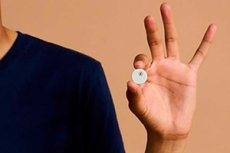
On August 25, 2026, the U.S. Food and Drug Administration granted marketing authorization for the Libre Duo 10-Day Continuous Dual Glucose Ketone Monitoring System from Abbott Diabetes Care. It is the first wearable continuous ketone monitoring device approved in the U.S. and, according to the FDA, the world's first single sensor that simultaneously tracks glucose and ketones. [1]
The system is designed for people with diabetes starting at age two. A single sensor is worn for up to ten days and measures two parameters in the interstitial fluid every minute: glucose and the ketone body beta-hydroxybutyrate. The results are wirelessly transmitted to a compatible smartphone, where the user can see not only the current values but also the trend of their change. [2]
The main goal of the new technology is not simply to add another indicator to conventional continuous glucose monitoring. It should help detect the development of diabetic ketoacidosis earlier—a dangerous condition that can progress within hours without insulin. Until now, ketones were typically measured in a separate blood or urine test, so a person only received a single reading and might not be able to see how quickly the concentration was rising. [3]
The FDA based its findings on data from six clinical studies involving more than 600 participants aged two years and older. The FDA reported that the sensor tracked clinically significant changes in ketone levels over a ten-day period of use and was able to detect increases before diabetic ketoacidosis developed. However, the FDA does not claim that a single device can completely prevent all episodes of ketoacidosis: sensor readings must be interpreted in conjunction with glucose levels, symptoms, and an individual treatment plan. [4]
Libre Duo 10 Day: The Main Thing
| Parameter | Characteristic |
|---|---|
| Manufacturer | Abbott Diabetes Care |
| FDA decision | August 25, 2026 |
| Age | From 2 years old |
| What does it measure? | Glucose + beta-hydroxybutyrate |
| Measurement environment | Intercellular fluid |
| Measurement frequency | Every minute |
| Maximum sensor life | 10 days |
| Data transfer | To a compatible smartphone |
| Notifications | About low glucose and elevated ketones |
| Main new feature | Continuous monitoring of hyperketonemia risk |
| Regulatory pathway | FDA De Novo |
| FDA Research Base | 6 studies, over 600 participants |
[5]
How does a dual glucose and ketone sensor work?
Externally, the Libre Duo resembles modern continuous glucose monitoring systems. A small sensor element is inserted under the skin, making contact with the interstitial fluid. However, inside the new device are actually two separate chemical recognition systems, located on adjacent electrodes: one for glucose, the other for ketones. [6]
Both use the enzymatic amperometric principle. The desired molecule undergoes an enzymatic reaction, resulting in an electrical signal. Its magnitude is related to the concentration of the substance being determined. For the dual sensor, engineers needed to ensure that the two chemical systems were very close to each other, but did not contaminate or distort the signals of the adjacent electrode. [7]
Measuring ketones without daily user calibration proved particularly challenging. Abbott developed a factory-calibrated ketone channel, meaning the sensor's characteristics are determined during manufacturing. The company's technical publication reported a linear response of the ketone sensor to beta-hydroxybutyrate in the range of approximately 0-8 millimoles per liter and the ability to maintain measurement over extended periods of wear. [8]
It's also important to understand that the sensor doesn't draw blood every minute. It measures glucose and beta-hydroxybutyrate in the interstitial fluid—the fluid between cells. Therefore, the readings don't necessarily have to match the laboratory blood test every single moment. Consistent measurements and trends are important when assessing the system's condition, as clearly emphasized in the official system instructions. [9]
How is Libre Duo different from conventional continuous glucose monitoring?
| Opportunity | A standard glucose sensor | Libre Duo 10 Day |
|---|---|---|
| Continuous glucose | ||
| Continuous beta-hydroxybutyrate | - | |
| Two sensory channels | - | |
| Dynamics of ketones | - | |
| High Ketones Alert | - | |
| A separate finger prick for regular glucose testing | Usually not needed | Usually not needed if instructions are followed. |
| Separate test strips for regular monitoring of ketone trends | Needed | Not required for continuous monitoring itself |
[10]
Why are ketones so important in diabetes?
With sufficient insulin, the body's cells actively use glucose as an energy source. If insulin is severely deficient, the body begins to break down fats much more intensively. The liver then produces ketone bodies—primarily beta-hydroxybutyrate and acetoacetate. A small amount of ketone formation is physiological, but with severe insulin deficiency, their concentration can quickly become dangerous. [11]
Excess ketone bodies cause metabolic acidosis—the blood becomes more acidic. At the same time, high glucose levels contribute to significant loss of fluid and electrolytes in the urine. This leads to diabetic ketoacidosis, which is characterized by thirst, frequent urination, nausea, vomiting, abdominal pain, weakness, rapid, deep breathing, and altered consciousness. Without treatment, severe ketoacidosis can lead to shock, coma, and death. [12]
The current international consensus recommends measuring beta-hydroxybutyrate in the blood for the diagnosis of ketoacidosis, as it is the primary ketone body in this condition. A concentration of 3.0 millimoles per liter or higher correlates well with metabolic acidosis and has greater than 90% sensitivity and specificity for the diagnosis of diabetic ketoacidosis in the appropriate clinical context. [13]
Traditional urine testing has an important limitation: the dipstick primarily detects acetoacetate, not beta-hydroxybutyrate. Early in ketoacidosis, a urine test can underestimate the severity of the process, and during recovery, it can remain positive, even though beta-hydroxybutyrate concentrations are already declining. A continuous sensor directly monitors interstitial beta-hydroxybutyrate, and therefore, theoretically, can provide earlier information about the progression of the process. [14]
Ketones and diabetic ketoacidosis
| Indicator | Meaning |
|---|---|
| The main ketone body in ketoacidosis | Beta-hydroxybutyrate |
| Consensus diagnostic level of ketonemia in ketoacidosis | ≥3.0 mmol/L |
| Mild/moderate ketoacidosis | Typically β-hydroxybutyrate 3-6 mmol/L + acidosis |
| Severe ketoacidosis | β-hydroxybutyrate >6 mmol/l + severe acidosis |
| Normalization during treatment | Ketones <0.6 mmol/L are included in the criteria for resolution of ketoacidosis |
| The main problem with the urine test | Shows predominantly acetoacetate and may lag behind actual dynamics |
| Advantage of continuous sensor | Shows a trend rather than a single measurement point |
[15]
Why glucose monitoring alone is sometimes not enough
The most obvious risk factor is type 1 diabetes. If you miss an insulin dose, your insulin pump malfunctions, have an infection, vomit, or another condition that dramatically increases your body's insulin requirements, ketones can begin to accumulate rapidly. For the approximately 2.1 million Americans with type 1 diabetes, according to the FDA, continuous ketone monitoring potentially adds fundamentally new information to your glucose. [16]
The problem is that increases in glucose and ketones do not always occur in parallel. A person may see a relatively familiar value on the glucose sensor and mistakenly conclude that there is no threat. International guidelines specifically address euglycemic diabetic ketoacidosis, in which severe ketonemia and acidosis occur when glucose levels are below the levels typically expected for ketoacidosis. [17]
This is particularly important when using sodium-glucose cotransporter-2 inhibitors. These drugs increase urinary glucose excretion and can keep glucose levels relatively low even when ketosis begins to develop. The 2024 consensus notes that the use of this group of drugs is a significant cause of euglycemic ketoacidosis. [18]
That's why Abbott is positioning the Libre Duo for more than just type 1 diabetes. The device is approved for use by people with any type of diabetes, starting at age two, and the manufacturer considers those with an increased risk of ketonemia—including those taking insulin and certain hypoglycemic medications—to be the most potentially important users. [19]
When continuous ketones are potentially especially beneficial
| Situation | Why do ketone levels increase? |
|---|---|
| Type 1 diabetes mellitus | Absolute or severe insulin deficiency |
| Skipping an insulin dose | Rapid transition to ketogenesis is possible |
| Insulin pump malfunction | Rapid-acting insulin delivery may suddenly stop. |
| Infection or other acute illness | Insulin requirements may increase sharply. |
| Nausea and vomiting | Symptoms can easily be confused with an infection. |
| Sodium-glucose cotransporter type 2 inhibitors | Possible euglycemic ketoacidosis |
| Normal or moderately elevated glucose with symptoms | Glucose alone does not eliminate ketosis. |
[20]
What the FDA studies showed
The FDA reports that the Libre Duo regulatory package included six clinical studies with more than 600 participants. These studies evaluated both the device's glucose and ketone channels across different concentration ranges and in patients over two years of age. This set of studies formed the basis for the system's de novo approval. [21]
The FDA concluded that the device accurately detected clinically significant ketone levels over ten days of wear. The regulator considered the system's ability to detect rising ketone levels before the development of clinical diabetic ketoacidosis particularly important. This does not equate to a proven reduction in hospitalizations or deaths; specific clinical outcome studies are needed to reach such a conclusion. [22]
A separate technical paper published by Abbott developers demonstrates how the dual glucose-ketone sensor was created. The authors described two adjacent enzymatic electrodes, factory calibration, and the stability of the ketone measurement channel. This paper is important as a technical justification for the platform itself, but its authors work for Abbott Diabetes Care, and the publication cannot be considered an independent test of the device's effectiveness in preventing ketoacidosis. [23]
There is also independent scientific literature on continuous ketone monitoring. In 2026, an international group of experts in The Lancet Diabetes & Endocrinology concluded that the technology has the potential to fill a significant gap in the prevention of diabetic ketoacidosis, particularly in patients on intensive insulin therapy and at risk for euglycemic ketoacidosis. The experts emphasized the need to accumulate real-world data on which thresholds and action algorithms provide the greatest clinical benefit. [24]
What has already been proven and what remains to be proven
| Question | State of evidence |
|---|---|
| Can the sensor measure glucose and ketones at the same time? | Yes |
| Is it capable of continuously showing dynamics? | Yes |
| Has it been FDA approved? | Yes, De Novo authorization |
| Clinical base of the regulator | >600 participants, 6 studies |
| Can ketone levels be detected before ketoacidosis? | The FDA says yes. |
| Is there evidence to suggest a reduction in hospitalizations due to ketoacidosis? | There is no convincing published data yet. |
| Has the mortality rate been proven to decrease? | No |
| Does the sensor replace clinical assessment of symptoms? | No |
[25]
What does 3.0 mmol/L mean and how do the alerts work?
The system includes an urgent alert for high ketones. According to published information about Libre Duo, the critical alert is associated with a beta-hydroxybutyrate level of approximately 3.0 millimoles per liter—a value of significant clinical significance in modern diabetic ketoacidosis criteria. [26]
At values below approximately 0.6 millimoles per liter, ketone information may remain in the background, while intermediate values allow one to see changes in concentration and the direction of the trend. The idea is to ensure that a person receives information before reaching a critical threshold, rather than first becoming aware of the problem after severe symptoms have developed. [27]
However, a value of 3.0 millimoles per liter alone is not a complete diagnosis of diabetic ketoacidosis. According to international consensus, the diagnosis requires a simultaneous assessment of diabetes or associated hyperglycemia, ketonemia, and metabolic acidosis. Therefore, a high ketone level requires a clinical assessment rather than an automatic conclusion based on a single number. [28]
Conversely, you shouldn't wait for your blood sugar to reach 3.0 millimoles per liter if you're feeling worse. The FDA specifically emphasizes that ketone data should be evaluated in conjunction with glucose and symptoms. The new technology is designed to provide additional information, not to encourage people to ignore signs of serious illness until an alarm is triggered. [29]
How to interpret ketone dynamics
| Beta-hydroxybutyrate | General meaning* |
|---|---|
| <0.6 mmol/L | Typically low ketone levels |
| 0.6-<3.0 mmol/l | Increase requires attention to dynamics and clinical context |
| ≥3.0 mmol/L | Significant ketonemia; this level is included in the diagnostic criteria for ketoacidosis |
| >6.0 mmol/L | May be consistent with severe ketonemia in ketoacidosis |
*The diagnosis of diabetic ketoacidosis cannot be made based on the sensor value alone; other clinical and laboratory criteria are required. [30]
The new sensor has important limitations
The first limitation is that no continuous sensor is infallible. Abbott explicitly warns that the urgent alarm may not detect all glucose levels below 55 milligrams per deciliter or ketones above 3.0 millimoles per liter. Therefore, the absence of an alarm does not mean the absolute absence of risk. [31]
The manufacturer also states: if readings or alarms do not match symptoms and expectations, follow the system instructions and check the situation using an alternative method. For glucose decision-making when symptoms do not match, Abbott recommends using fingerstick glucose testing. Ketone levels should be considered in conjunction with glucose, symptoms, and a pre-agreed action plan. [32]
There's also a practical limitation: not every sensor actually works for the full ten days stated. In a study of wear duration, 84.1% of adult and 68.8% of child sensors completed the full ten-day period. This means that approximately 16% of adult and 31% of child sensors stopped working or were removed early. [33]
Furthermore, the FDA approval confirms the device's sufficient safety and efficacy for its intended use, but it does not yet answer the most important question for healthcare: to what extent will continuous ketone monitoring actually reduce the incidence of ketoacidosis, emergency room visits, and hospitalizations in everyday practice. This will require extensive research after the device's market launch.
Practical limitations of Libre Duo
| Limitation | Why is this important? |
|---|---|
| The sensor may be wrong | Solutions cannot be made in spite of obvious symptoms |
| Anxiety does not detect 100% of episodes | The absence of a signal does not guarantee the absence of risk |
| Intercellular fluid is measured | Values may differ from blood test results. |
| Not every sensor lasts a full 10 days. | Particularly noticeable in children |
| High ketones ≠ automatically confirmed ketoacidosis | Clinical context is needed |
| Normal glucose does not exclude ketoacidosis. | A euglycemic variant is possible |
| There is no evidence yet of a reduction in mortality. | The FDA primarily tested the device for accuracy and safety. |
[34]
Why the FDA used the De Novo route rather than the regular 510 approval
In the news, the FDA's decision is often referred to as "approval," but technically, it's more accurately referred to as marketing authorization via the De Novo pathway. This mechanism is used for new low- or moderate-risk medical devices for which there is no suitable, previously approved analogue with which the new device can be standardly compared. [35]
Prior to approval, Libre Duo received Breakthrough Device designation. This designation is intended for technologies that could improve the diagnosis or treatment of serious and life-threatening conditions. The designation does not automatically signify efficacy, but it does give the developer closer interaction with the FDA and allows for expedited review of certain aspects of the drug. [36]
At the same time, the FDA is creating a new regulatory category—integrated continuous glucose and ketone monitoring. Abbott reports that the Libre Duo is the first device to meet both the existing integrated continuous glucose monitoring standard and the new integrated continuous glucose and ketone monitoring standard. [37]
This has implications for the future of the market. Following the De Novo classification, specific requirements for the characteristics, labeling, and testing of this new type of device will emerge. Subsequent manufacturers will be able to rely on the FDA's established regulatory framework, rather than having to create a new category from scratch each time. [38]
What does regulatory status mean?
| Term | Meaning |
|---|---|
| Breakthrough Device | Fast-Track Approval with FDA for Promising Technology in Serious Disease |
| De Novo | Path for a new type of low/moderate risk device |
| Marketing authorization | Permission to market the device in the US in the declared area of application |
| iCGM | Integrated continuous glucose monitoring system |
| iCGK | A new category of integrated continuous glucose and ketone monitoring |
| What this doesn't mean | Guarantee of preventing all cases of ketoacidosis |
[39]
The next step is to combine ketones with automatic insulin delivery.
Modern automated insulin delivery systems combine a continuous glucose sensor, an algorithm, and an insulin pump. The algorithm receives glucose data every few minutes and automatically increases, decreases, or suspends insulin delivery. However, today, such systems rely almost entirely on glucose.
The addition of ketones creates the opportunity to build a more sophisticated safety system. For example, if glucose appears normal but ketone levels suddenly begin to rise steadily, the system could potentially detect a situation that would be virtually invisible to an algorithm using only a glucose sensor.
This is especially useful for detecting problems with insulin pumps. Pump users don't have a large reserve of long-acting insulin under the skin. If rapid-acting insulin delivery is interrupted due to a blocked catheter, a disconnected system, or a technical malfunction, insulin deficiency can develop quite quickly. A ketone trend in such a situation can be an additional indicator of danger.
Abbott already states that the Libre Duo is being designed to be compatible with leading automated insulin delivery systems. However, this should be separated from the FDA approval already issued: the presence of a ketone signal does not mean that pumps today automatically make decisions based on this parameter. Such algorithms will require separate safety testing and appropriate regulatory approvals. [40]
How technology can develop
| Now | Possible development |
|---|---|
| Continuous glucose | Continuous glucose + ketones |
| The user sees a ketone trend | The algorithm analyzes the ketone trend |
| Warning to man | Additional automated protection |
| Individual user decision making | Possible integration with insulin pump |
| Reacting to high ketones | Early prediction of a dangerous trend |
| Patient data only | Joint observation by the patient, relatives and the doctor |
[41]
Why this could be a key step in the development of diabetes technologies
Continuous glucose monitoring has already radically changed the daily lives of people with diabetes. Instead of taking multiple measurements at specific points throughout the day, doctors and patients now have a nearly continuous curve, allowing them to see the direction and rate of glucose changes. Libre Duo applies the same principle to a second critical metabolic indicator: ketones.
The main advantage of continuous data is not so much the number of measurements, but rather the information it provides about the direction of the process. A beta-hydroxybutyrate value of 0.8 millimoles per liter by itself provides limited information. But if the sensor displays a sequence of 0.3 → 0.5 → 0.8 → 1.2 millimoles over a relatively short period, it becomes clear that a stable upward trend is developing. This is precisely the information that cannot be obtained with a single traditional test strip. [42]
International experts are already discussing continuous ketone monitoring as a potential new part of the standard diabetology toolkit. A separate international expert review on the application of this technology was published in The Lancet Diabetes & Endocrinology in 2026. Its authors consider the most promising scenarios to be the prevention of diabetic ketoacidosis, monitoring during intensive insulin therapy, and improving safety in situations where euglycemic ketoacidosis is at risk. [43]
But the next stage will be clinical, not technological. Now we need to determine to what extent continuous ketone data actually changes patient behavior, reduces the time to intervention, reduces the incidence of severe episodes of ketoacidosis and hospitalizations, and justifies the additional cost of the system. FDA approval opens the possibility of obtaining precisely this kind of data on a large scale from real-world practice.
What changes with the advent of continuous ketone monitoring
| Earlier | Now |
|---|---|
| Ketone testing only if you suspect a problem | Continuous background monitoring |
| One measurement point | Curve in time |
| It is important to remember the need for testing | The sensor measures automatically |
| A separate device or test strip | One sensor together with glucose |
| It's hard to see the beginning of growth | The trend direction is visible |
| Glucose is virtually the only continuous metabolic indicator | Glucose and ketones are available simultaneously |
What does this mean for someone with diabetes?
Libre Duo shouldn't be considered a "sensor that will prevent ketoacidosis." It doesn't deliver insulin or treat metabolic disorders. Its purpose is to provide information earlier, when the situation is potentially easier to correct than after severe acidosis and dehydration have developed.
The technology may be most useful for people with type 1 diabetes, insulin pump users, children and their parents, people with repeated episodes of ketosis, and some patients taking medications that increase the risk of euglycemic ketoacidosis. However, the FDA has officially approved the system for a much broader use—for people with any type of diabetes starting at age two. [44]
Moreover, the emergence of a continuous indicator can create a new problem: information overload. Not every slight physiological increase in ketones indicates impending ketoacidosis. Ketone body concentrations are affected by food intake, fasting, physical activity, and other factors. Therefore, international experts emphasize the need to educate users on how to interpret new data and create clear action algorithms. [45]
Thus, the FDA's decision's primary significance lies not in the emergence of yet another wearable gadget, but in the transition of diabetes technologies from continuous monitoring of a single indicator to multiparameter metabolic monitoring. If future studies confirm a reduction in ketoacidosis and hospitalizations, continuous ketone monitoring could eventually become as routine a part of treatment for certain patient groups as continuous glucose monitoring is today.
The main thing is in the numbers
| Indicator | Meaning |
|---|---|
| FDA decision | August 25, 2026 |
| Age of users | ≥2 years |
| Operating life of one sensor | up to 10 days |
| Measurement frequency | every minute |
| Measurable indicators | glucose + beta-hydroxybutyrate |
| Research in the FDA package | 6 |
| Participants | >600 |
| Urgent alert level for high ketones | about 3.0 mmol/L |
| Percentage of adult sensors that lasted all 10 days | 84.1% |
| Percentage of children's sensors that lasted all 10 days | 68.8% |
| People with diabetes in the US, according to FDA data | ≈40.1 million |
| People with type 1 diabetes in the United States | ≈2.1 million |
[46]
News sources
Hoss U., Alva S., Pryor H., Welsh Z., Feldman B. Continuous Dual Glucose-Ketone Sensing Technology. Diabetes Technology & Therapeutics. 2025;27(S4):S20-S24. The authors are from Abbott Diabetes Care; the article describes the design of a dual sensor and the development of factory calibration for its ketone channel. DOI: 10.1177/15209156251390820
International expert publication on the clinical application of continuous ketone monitoring:
Dhatariya K. et al. Continuous ketone monitoring for people with diabetes: international expert recommendations on the application of a new technology. The Lancet Diabetes & Endocrinology. 2026;14(1):82-92. DOI: 10.1016/S2213-8587(25)00331-6
Key international consensus on the diagnosis of diabetic ketoacidosis:
Umpierrez GE et al. Hyperglycemic Crises in Adults With Diabetes: A Consensus Report. Diabetes Care. 2024;47(8):1257-1275. DOI: 10.2337/dci24-0032