
New publications
The FDA approved the first drug in a new class against metastatic pancreatic cancer: daraxonrasib nearly doubled median survival.
Last updated: 30.08.2026

All iLive content is medically reviewed or fact checked to ensure as much factual accuracy as possible.
We have strict sourcing guidelines and only link to reputable media sites, academic research institutions and, whenever possible, medically peer reviewed studies. Note that the numbers in parentheses ([1], [2], etc.) are clickable links to these studies.
If you feel that any of our content is inaccurate, out-of-date, or otherwise questionable, please select it and press Ctrl + Enter.
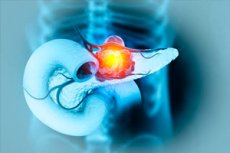
On August 26, 2026, the U.S. Food and Drug Administration approved Rasonque (daraxonrasib) for the treatment of adult patients with metastatic pancreatic adenocarcinoma. This is the first approval of a therapy of this type: the drug blocks the RAS protein family, one of the main molecular drivers of pancreatic cancer, which for decades has been considered an extremely difficult drug target.
The most impressive result of the study concerns overall survival. Among 500 patients with previously treated metastatic ductal adenocarcinoma of the pancreas, the median overall survival was 13.2 months with daraxonrasib versus 6.7 months with standard chemotherapy. The hazard ratio for death was 0.40—meaning that during the observation period, the risk of death in the new drug group was approximately 60% lower. [1]
The benefit was not limited to overall survival. The median progression-free period was 7.2 months versus 3.6 months, and objective tumor shrinkage was recorded in approximately 31.6% of patients versus 11.2% with chemotherapy. Furthermore, patients maintained their quality of life longer and reported worsening tumor-related pain later in life. [2]
Daraxonrasib, however, cannot be called a drug that "cures pancreatic cancer." All patients in the pivotal study already had metastatic disease, and the therapy was compared with second-line chemotherapy. Nevertheless, for a disease where progress in treating the metastatic stage has remained extremely slow for decades, the nearly twofold difference in median survival was a fundamentally important result. [3]
Key points about the new approval
| Parameter | Result |
|---|---|
| Preparation | Daraxonrasib - daraxonrasib |
| Trade name | Rasonque |
| FDA decision | August 26, 2026 |
| Disease | Metastatic adenocarcinoma of the pancreas |
| Class | Multiselective RAS(ON) inhibitor |
| Form | Pills |
| Recommended dosage | 300 mg once a day |
| Study | RASolute 302 |
| Phase | III |
| Patients | 500 |
| Overall survival | 13.2 versus 6.7 months |
| Risk of death | HR 0.40 |
| Progression-free survival | 7.2 versus 3.6 months |
| Objective answer | 31.6% versus 11.2% in the study publication |
| DOI of a key clinical trial | 10.1056/NEJMoa2605555 |
[4]
Why is pancreatic cancer so difficult to treat?
The vast majority of pancreatic malignancies are ductal adenocarcinoma. According to the FDA, adenocarcinoma accounts for approximately 90-95% of pancreatic cancer cases diagnosed annually in the United States. The disease is often diagnosed late, metastasizes rapidly, and is characterized by a limited range of effective systemic treatments for many years. [5]
A key biological feature of this tumor is the exceptionally high frequency of disruptions in the RAS signaling pathway. Oncogenic RAS mutations are detected in more than 90% of cases of pancreatic ductal adenocarcinoma, with the KRAS gene most often affected. The mutated protein sends a constant signal to the cell to grow and divide, helping the tumor maintain its malignant phenotype. [6]
For decades, RAS was considered virtually "undruggable." The protein lacks the classic deep pocket into which a small drug molecule can easily be inserted, as is possible with many enzymes. Furthermore, RAS constantly switches between an active state bound to guanosine triphosphate and an inactive state bound to guanosine diphosphate, further complicating pharmacological attack. [7]
In recent years, drugs targeting specific KRAS variants have emerged, but most of these agents have narrow mutational specificity. This is insufficient for pancreatic cancer, as tumors contain several common RAS variants, including G12D, G12V, and others. Daraxonrasib was developed with a different idea in mind—to target the active state of multiple RAS variants at once, rather than a single specific mutation. [8]
Why is RAS so important?
| Peculiarity | Meaning |
|---|---|
| RAS | The central switch of cell growth |
| The key gene in pancreatic cancer | KRAS |
| Oncogenic RAS mutations in ductal adenocarcinoma | >90% |
| Consequence of mutation | Constant growth signal |
| Historical problem | RAS is difficult to target with a drug molecule |
| Old targeting strategies | Usually aimed at individual options |
| Daraxonrasib | Targets multiple active forms of RAS at once |
[9]
How Daraxonrasib Works: The drug uses another protein as a "molecular clamp"
Daraxonrasib's mechanism of action differs significantly from the classic "drug that attaches to the enzyme's active site and blocks it" approach. The drug is a so-called three-component inhibitor and binds to the active form of RAS, designated RAS(ON). This is the state in which the protein is bound to guanosine triphosphate and is capable of transmitting a signal further down the cellular chain. [10]
To attach to the hard-to-reach surface of RAS, daraxonrasib first interacts with the intracellular protein cyclophilin A. Together, cyclophilin and the drug molecule create a new surface that binds significantly more effectively to active RAS. The result is a three-component complex: cyclophilin A, daraxonrasib, and RAS. [11]
This complex physically interferes with activated RAS's ability to interact with the effector proteins that need to receive its signal. This inhibits downstream pathways, including RAS-RAF-MAPK, which mediate tumor cell growth and division. Therefore, the drug is sometimes described as a type of "molecular glue": it uses one cellular protein to create a drug-like surface for another. [12]
Another fundamental difference is its breadth of action. Daraxonrasib is a multiselective inhibitor and is capable of interacting with active forms of several variants of KRAS, NRAS, and HRAS, including both mutant and some non-mutant proteins. This is potentially particularly important in pancreatic cancer, where RAS-dependent biology predominates, but the specific mutations present vary among patients. [13]
Mechanism of action in simplified form
| Stage | What's happening |
|---|---|
| 1 | RAS is in the active RAS(ON) state |
| 2 | Daraxonrasib binds to cyclophilin A |
| 3 | A new surface for RAS binding is created |
| 4 | The CypA-daraxonrasib-RAS complex is formed |
| 5 | RAS cannot communicate properly with effectors |
| 6 | Growth signaling is suppressed |
| Result | Decreases proliferation of RAS-dependent tumor cells |
[14]
RASolute 302 study: 500 patients and direct comparison with chemotherapy
The approval was based on the international, randomized, open-label, phase III RASolute 302 study. It enrolled 500 adult patients with metastatic pancreatic ductal adenocarcinoma whose disease had progressed after one previous systemic therapy. The study was conducted at 59 centers in six countries. [15]
Patients were randomly assigned in a 1:1 ratio. 248 received daraxonrasib 300 mg once daily, 252 received standard chemotherapy chosen by the physician. The control group could receive gemcitabine with nab-paclitaxel, modified FOLFIRINOX, FOLFOX, or liposomal irinotecan with fluorouracil and leucovorin. [16]
Participants were required to have a satisfactory performance status (0 or 1 point on the Eastern Cooperative Oncology Group scale). RAS mutation status was determined before inclusion, but the study was not limited to just one specific variant: the general population included patients with G12, G13, or Q61, as well as patients in whom tumor RAS mutations were not identified. [17]
Of the participants, 91.8% had a RAS G12 mutation, meaning this group constituted the vast majority of the study. The primary endpoints were overall survival and progression-free survival in the RAS G12 population. Key secondary endpoints included the same parameters across the entire group, objective tumor response, and patient-reported quality of life. [18]
At the time of analysis, the median follow-up was approximately 8.5 months. This is a relatively short period, but the difference between the survival curves was so pronounced that the primary endpoints of the study were met statistically convincingly. [19]
Design RASolute 302
| Parameter | Meaning |
|---|---|
| Phase | III |
| Design | Randomized, open |
| Participants | 500 |
| Daraxonrasib | 248 |
| Chemotherapy | 252 |
| Daraxonrasib dose | 300 mg/day |
| Previous treatment | One system line |
| ECOG | 0-1 |
| RAS G12 | 91.8% of patients |
| Websites | 59 |
| Countries | 6 |
| Median observation in the analysis | 8.5 months |
| ClinicalTrials.gov | NCT06625320 |
[20]
The most significant result was an increase in overall survival from 6.7 to 13.2 months.
Across the entire randomized population, the median overall survival was 13.2 months with daraxonrasib versus 6.7 months with standard chemotherapy. This does not mean that every patient survived exactly 13.2 months: the median represents the point at which half of the participants in the respective group were alive and half had died. [21]
The hazard ratio for death was 0.40, with a 95% confidence interval of 0.30 to 0.53 and a P value of less than 0.0001. In other words, over the observation period, the risk of death was approximately 60% lower in the daraxonrasib group. This is a significantly more accurate statistical characteristic than simply stating that the drug “doubles life expectancy.” [22]
In the main pre-specified group of patients with RAS G12 mutations, the outcome was virtually identical: median overall survival was 13.2 months versus 6.6 months with chemotherapy, and the hazard ratio was again 0.40. This is important because G12 variants constitute the overwhelming majority of RAS mutations in pancreatic ductal adenocarcinoma. [23]
In a follow-up analysis, approximately 53.3% of patients with RAS G12 who received daraxonrasib were alive at 12 months, compared with 18.7% in the control group. This is a significant difference for metastatic disease after first-line failure. However, the duration of follow-up will be important for assessing later outcomes. [24]
Overall survival
| Indicator | Daraxonrasib | Chemotherapy |
|---|---|---|
| Entire population: median OS | 13.2 months | 6.7 months |
| Hazard ratio | 0.40 | - |
| 95% CI | 0.30-0.53 | - |
| P | <0.0001 | - |
| RAS G12: OS | 13.2 months | 6.6 months |
| RAS G12: HR | 0.40 | - |
| 12-month OS, RAS G12 | 53.3% | 18.7% |
[25]
The drug also roughly doubled the time without disease progression.
The second key endpoint was progression-free survival, the time during which the tumor did not grow to progression criteria and the patient remained alive. Across the entire study population, the median was 7.2 months with daraxonrasib versus 3.6 months with chemotherapy. [26]
The hazard ratio for progression or death was 0.49, corresponding to an approximately 51% relative reduction in the risk of such an event. The confidence interval was 0.38–0.64, P < 0.0001. Thus, the benefit in overall survival was accompanied by significant control of disease growth. [27]
In patients with RAS G12, the median progression-free survival was 7.3 versus 3.5 months, and the hazard ratio was 0.45. The result was again almost identical to the overall group, which strengthens the evidence of an effect specifically in the most common molecular subtype. [28]
Importantly, progression assessment was performed by an independent, centralized committee blinded to treatment assignment. This partially offsets the open-label design of the study, in which both physician and patient were aware of the treatment they were receiving. [29]
Progression-free survival
| Indicator | Daraxonrasib | Chemotherapy |
|---|---|---|
| The entire population | 7.2 months | 3.6 months |
| HR | 0.49 | - |
| RAS G12 | 7.3 months | 3.5 months |
| HR, RAS G12 | 0.45 | - |
| Independent assessment | Yes | Yes |
[30]
The tumor shrank in approximately one in three patients
Another indicator is the objective response rate, that is, the proportion of patients whose tumors shrank by an amount that meets standard oncology criteria for a partial or complete response. In the final analysis of the publication, a response was recorded in 31.6% of patients treated with daraxonrasib and 11.2% of those treated with chemotherapy. [31]
The FDA rounded the figures to 30% versus 11% in its registration summary, but these are the same results. The difference was statistically significant—P less than 0.0001. Thus, the new treatment not only slowed progression but also resulted in measurable tumor shrinkage much more often. [32]
In the RAS G12 population, the objective response rate was 33.2% versus 11.8%. This means that approximately one in three patients in the main molecular group achieved a significant reduction in measurable tumor lesions, compared to approximately one in nine patients with standard second-line chemotherapy. [33]
However, an "objective response" cannot be equated with a cure. Even a significant reduction in metastatic tumor size does not necessarily mean the complete disappearance of all tumor cells, and the disease may subsequently become resistant. Therefore, the study's primary outcome measures were not only tumor size, but also overall survival and progression-free period. [34]
Tumor response
| Indicator | Daraxonrasib | Chemotherapy |
|---|---|---|
| ORR, general population | 31.6% | 11.2% |
| ORR, RAS G12 | 33.2% | 11.8% |
| Statistical significance | P<0.0001 | - |
| Does the result mean a cure? | No | - |
[35]
It's not just about living longer: pain and quality of life worsened later in life
For patients with metastatic pancreatic cancer, survival is not the only criterion for effectiveness. The disease can cause severe pain, weakness, loss of appetite and weight, and treatment toxicities can sometimes significantly impair daily functioning. Therefore, RASolute 302 included self-reported quality of life measures. [36]
In the RAS G12 group, the median time to clinically significant worsening of cancer-related pain was approximately 9.2 months with daraxonrasib versus 3.8 months with chemotherapy. The odds ratio for pain worsening was 0.51. [37]
Overall health and quality of life also worsened later: the median was approximately 5.7 versus 2.6 months, with an odds ratio of 0.60. Therefore, the increase in life expectancy was not achieved at the cost of an obvious earlier deterioration in the subjective condition of patients. [38]
These results are particularly important because the drug is administered orally once daily, whereas standard second-line regimens often require intravenous administration of multiple cytotoxic drugs. However, the tablet form does not mean the absence of toxicity: the side effect profile of daraxonrasib simply differs from that of conventional chemotherapy. [39]
Patient indicators
| Parameter | Daraxonrasib | Chemotherapy |
|---|---|---|
| Time until pain worsens | 9.2 months | 3.8 months |
| HR | 0.51 | - |
| Time to deterioration in overall quality of life | 5.7 months | 2.6 months |
| HR | 0.60 | - |
| Form of the drug | Tablet | Mainly intravenous circuits |
[40]
There are side effects, but it was much less common to have to stop treatment because of them.
Any anticancer drug can cause serious toxicity, and daraxonrasib is no exception. In the RASolute 302 study, adverse events of any cause were reported in nearly all participants: 100% of patients on daraxonrasib and 97.7% on chemotherapy. [41]
Grade 3 or higher adverse events of any cause occurred in 61.8% of patients in the new drug group and 69.6% in the chemotherapy group. If only adverse events that the researchers attributed directly to treatment were considered, severe reactions occurred in 43.6% and 57.5% of patients, respectively. [42]
The pattern of toxicity varied markedly. For daraxonrasib, the most common serious treatment-related events were skin rash (approximately 14%) and stomatitis (approximately 12%), while severe diarrhea occurred in approximately 5%. For chemotherapy, decreased neutrophil count, anemia, and thrombocytopenia were more common.[43]
Of particular interest is the rate of complete treatment discontinuation due to treatment-related toxicity: 1.2% with daraxonrasib versus 11.2% with chemotherapy. However, more than half of patients on the new drug required temporary treatment interruptions, and about a third required dose reductions, so calling the therapy "almost side-effect-free" would be inaccurate. [44]
The FDA's official label specifically warns of dermatological toxicity and soft tissue damage, stomatitis and other oral disorders, diarrhea, gastrointestinal perforation, interstitial lung disease or pneumonitis, and risk to the embryo and fetus. In practice, treatment requires regular monitoring by an oncologist. [45]
Safety
| Indicator | Daraxonrasib | Chemotherapy |
|---|---|---|
| Adverse events ≥ grade 3, any | 61.8% | 69.6% |
| Treatment-related grade ≥3 | 43.6% | 57.5% |
| Severe rash | ≈14% | Less often |
| Severe stomatitis | ≈12% | Less often |
| Cancellation due to toxicity | 1.2% | 11.2% |
| Daraxonrasib dose reduction | ≈36% | - |
| Temporary breaks | ≈57% | - |
[46]
Who exactly has the FDA approved to prescribe Rasonque?
The approval extends to adults with metastatic pancreatic adenocarcinoma who have received at least one prior systemic therapy. Additionally, the FDA has expanded the indication to include patients who are not candidates for multi-agent systemic therapy. [47]
Crucially, the official US indication is not formulated for just one specific KRAS mutation. Although 91.8% of RASolute 302 participants had RAS G12 and this group was the primary group for the primary statistical analysis, the FDA approved the drug for the corresponding clinical category of metastatic pancreatic adenocarcinoma. [48]
The recommended dose is 300 mg orally once daily. Treatment is continued until disease progression or unacceptable toxicity occurs.[49]
Approval was obtained through an accelerated regulatory pathway. Daraxonrasib had Breakthrough Therapy and Orphan Drug designations and had undergone Priority Review. The FDA reported that the final decision was made approximately 6.5 months ahead of the target review date. [50]
Who is the therapy intended for?
| Criterion | FDA |
|---|---|
| Age | Adults |
| Disease | Metastatic adenocarcinoma of the pancreas |
| Previous treatment | ≥1 systemic line |
| Alternative criterion | Multicomponent systemic therapy is not suitable |
| Only the G12 mutation is required in the FDA formulation. | No |
| Dose | 300 mg daily |
| Duration | Until progression or unacceptable toxicity |
[51]
Why "13.2 vs. 6.7 months" doesn't mean the drug simply adds 6.5 months to each patient's life
Median survival is often misinterpreted as a guaranteed life expectancy for a specific patient. In fact, 13.2 months is a statistical median, not the limit of drug effect. Some patients survive shorter periods, others significantly longer, and the individual prognosis depends on the extent of the disease, overall health, tumor biology, and response to treatment. [52]
Likewise, one cannot simply subtract 6.7 from 13.2 and claim that each patient “will gain an additional 6.5 months.” A more informative indicator is the hazard ratio of 0.40, which reflects the change in the risk of death over the entire observed time interval. [53]
There's another important caveat: RASolute 302 was primarily studied in patients with relatively good functional status—ECOG 0-1. Therefore, the effect in severely weakened patients with severe comorbidities may differ. The FDA approval is somewhat broader than the study population, as it also includes people who cannot receive multicomponent therapy. [54]
Furthermore, the study was open-label, meaning physicians and patients were aware of the drug prescribed. This is not a significant methodological issue for overall survival, as the fact of death is objective, but subjective quality-of-life indicators are potentially more susceptible to the influence of expectations. Progression assessment was therefore conducted by an independent, centralized committee. [55]
Finally, the results for the small minority of patients without a G12 mutation are much less certain because 91.8% of the entire sample were patients with RAS G12. Therefore, particularly strong evidence relates to this dominant population. [56]
What to consider when interpreting
| Statement | Correctness |
|---|---|
| All patients will survive 13.2 months. | No |
| The drug is guaranteed to add 6.5 months to each | No |
| The median OS has almost doubled | Yes |
| The HR for death was 0.40 | Yes |
| All participants had G12 | No, 91.8% |
| The evidence for G12 is most reliable | Yes |
| Research proves cure | No |
What is known about the development of resistance?
Even highly effective RAS suppression does not mean that tumors permanently lose their ability to grow. Cancer cells are capable of evolving under the pressure of therapy, and research is already uncovering mechanisms of acquired resistance to daraxonrasib. [57]
Analysis of paired tumor samples before and after treatment revealed new alterations that could disrupt the formation of the complex between the drug, cyclophilin, and RAS or enhance the interaction of RAS with RAF. These included amino acid changes in RAS at positions Y64 and Y71, as well as certain alterations in BRAF. [58]
This clearly illustrates why even a revolutionary targeted drug is not the end-all-be-all of therapy development. The next challenge will be finding combinations that block bypass signaling pathways and new molecular glues capable of targeting resistant RAS variants. [59]
Combinations of daraxonrasib with chemotherapy, other RAS inhibitors, immune therapies, or therapies targeting the tumor microenvironment may prove particularly important in the future. However, most such regimens still require the results of full-scale randomized trials.
What may limit the drug's effect?
| Mechanism | Meaning |
|---|---|
| Changing the RAS itself | May interfere with drug binding |
| Changes in RAS-RAF interactions | Restores the signal |
| BRAF changes | Possible way around the blockade |
| Tumor evolution | May lead to late resistance |
| Potential solution | Combined and new RAS-targeted approaches |
[60]
Why this approval could really change pancreatic cancer treatment
The key significance of Rasonque is that it is the first compelling randomized phase III trial to demonstrate that broad inhibition of active RAS can significantly improve overall survival in metastatic pancreatic ductal adenocarcinoma. Previously, RAS was considered a central biological driver of the disease, but not a practical therapeutic target. [61]
The second important difference is that the effect was demonstrated not only in laboratory or radiographic parameters. All key clinically significant endpoints were improved: overall survival, progression-free survival, the probability of an objective response, and patient-reported quality of life. [62]
A third advantage is that the therapy is oral and has a different toxicity profile compared to cytotoxic chemotherapy. Despite frequent skin and gastrointestinal reactions, only approximately 1% of patients in the study had to discontinue the drug due to drug-related toxicity. [63]
Finally, the significance of this work extends beyond pancreatic cancer. RAS mutations are present in many human tumors, so demonstrating that active RAS can be effectively targeted with a multiselective triplet inhibitor opens the possibility of exploring the same principle in lung, colon, and other RAS-dependent tumors. However, efficacy in each of these diseases must be confirmed separately. [64]
Key findings
| Conclusion | Status |
|---|---|
| FDA approves Rasonque | Yes, August 26, 2026 |
| This is targeted RAS therapy. | Yes |
| The tablet is taken once a day. | Yes |
| Phase III included 500 patients | Yes |
| Median OS | 13.2 versus 6.7 months |
| Risk of death | ↓ by about 60%, HR 0.40 |
| PFS | 7.2 versus 3.6 months |
| Objective answer | 31.6% versus 11.2% |
| Quality of life deteriorated later | Yes |
| There are no side effects | No |
| This drug cures metastatic cancer | No |
| Work changes the standard of the second line | Most likely yes; the FDA has already approved the drug. |
News source
Eileen M. O'Reilly, Zev A. Wainberg, Andrew E. Hendifar, Mitesh J. Borad, Filippo Pietrantonio, Shubham Pant, Pascal Hammel et al.; Brian M. Wolpin; RASolute 302 Trial Investigators. “Daraxonrasib or Chemotherapy in Previously Treated Metastatic Pancreatic Cancer.” The New England Journal of Medicine. 2026;395:325–337. Published online May 31, 2026. The study included 500 patients with previously treated metastatic pancreatic ductal adenocarcinoma. DOI: 10.1056/NEJMoa2605555.
The study's main finding: daraxonrasib increased median overall survival from 6.7 to 13.2 months, reduced the relative risk of death by approximately 60%, increased median progression-free survival from 3.6 to 7.2 months, and approximately tripled the likelihood of objective tumor shrinkage compared with standard second-line chemotherapy. Based on these data, the FDA approved the drug on August 26, 2026, for adults with metastatic pancreatic adenocarcinoma who have received prior systemic therapy or who are unable to receive multiple systemic therapy.