
New publications
Air pollution linked to increased risk of glaucoma and cataracts
Last updated: 19.09.2026

All iLive content is medically reviewed or fact checked to ensure as much factual accuracy as possible.
We have strict sourcing guidelines and only link to reputable media sites, academic research institutions and, whenever possible, medically peer reviewed studies. Note that the numbers in parentheses ([1], [2], etc.) are clickable links to these studies.
If you feel that any of our content is inaccurate, out-of-date, or otherwise questionable, please select it and press Ctrl + Enter.
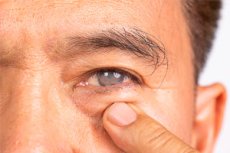
People who live for long periods in areas with higher levels of air pollution may be more likely to develop glaucoma and cataracts. This is the conclusion reached by the authors of a large systematic review and meta-analysis, the results of which were presented on September 14, 2026, at the 44th Congress of the European Society of Cataract and Refractive Surgeons in London. The researchers pooled the results of 41 observational studies, including a total of millions of participants, primarily from the UK and East Asian countries.
The clearest association was found for fine particulate matter (PM₂.0)—particles less than 2.5 micrometers in diameter, generated, in particular, by fuel combustion, transport, industry, and other combustion processes. In the pooled data, people from areas with the highest exposure had up to a 70% higher risk of glaucoma compared to those living in areas with the cleanest air. With increasing PM₂.0 exposure, the pooled risk of glaucoma increased by approximately 8%, and cataracts by approximately 4%.
Cataracts also demonstrated a fairly consistent dose-response relationship: the higher the long-term air pollution, the more frequently lens opacities were diagnosed or the need for surgery arose. For age-related macular degeneration, the results were less consistent. Some large studies found an association, but in the new meta-analysis, it was less consistent than for glaucoma and cataracts.
The authors emphasize that the results do not prove that air pollution directly causes these diseases in a specific individual. All studies included in the analysis were observational, so the influence of socioeconomic conditions, lifestyle, comorbidities, and other factors cannot be completely ruled out. Nevertheless, similar results in large independent cohorts make air pollution a potentially modifiable risk factor for diseases traditionally associated primarily with age and heredity.
| The main result | What was discovered? |
|---|---|
| Type of study | A systematic review and meta-analysis of 41 observational studies |
| Number of participants | Millions of people in total |
| Main regions | Great Britain and East Asia |
| The most convincing pollutant | PM₂.₅ |
| Glaucoma | Up to 70% higher chances at maximum exposure |
| Changing glaucoma risk | About +8% with another increase in exposure in the pooled analysis |
| Changing cataract risk | About +4% |
| Cataract | A fairly consistent relationship with pollution levels was observed. |
| Macular degeneration | The results are less uniform. |
| Causality | Not proven yet |
How researchers studied the effects of air pollution on the eyes
The study was presented by Dr. Ahmed Alnabihi of the King Khaled Eye Specialist Hospital and Research Center in Riyadh. He and his colleagues compiled existing epidemiological studies that compared long-term exposure to air pollutants with subsequent detection of glaucoma, cataracts, or age-related macular degeneration. This approach allows for the identification of patterns that may be difficult to detect in a single study.
The analysis included studies of several key pollutants: PM₂.0 and PM₁₀, nitrogen dioxide, sulfur dioxide, ozone, and carbon monoxide. The sources of these substances vary somewhat, but significant contributions come from motor vehicles, energy, heating, industry, and fuel combustion. The researchers compared exposure levels with the incidence of eye diseases and then combined comparable results from different studies.
Large population-based datasets were particularly important. For example, several studies used the UK Biobank, a British database containing detailed medical and environmental information on hundreds of thousands of people. One prospective study from 2024 analyzed 481,113 participants who were followed for an average of 12.8 years; during this period, 9,224 new cases of glaucoma were recorded. Higher long-term exposure to PM₂.₅ was associated with an increased risk of the disease.
Another large study included 441,567 people without cataracts, glaucoma, or age-related macular degeneration at baseline. Over a median period of 14.41 years, 55,104 cases of cataracts, 11,940 cases of glaucoma, and 9,060 cases of macular degeneration were recorded. When assessing a mixture of several pollutants, higher overall exposure was associated with an increased incidence of all three diseases.
| Element of analysis | What was assessed? |
|---|---|
| PM₂.₅ | Particles with a diameter less than 2.5 µm |
| PM₁₀ | Particles with a diameter of less than 10 µm |
| NO₂ | Nitrogen dioxide, largely associated with road traffic and combustion |
| SO₂ | Sulfur dioxide |
| O₃ | Ground-level ozone |
| CO | Carbon monoxide |
| Main diseases | Glaucoma, cataracts, age-related macular degeneration |
| Type of evidence | Observational population studies |
The most compelling link found was between PM₂.₅ and glaucoma
Glaucoma is a group of diseases that gradually damage the optic nerve. Elevated intraocular pressure is the most important known risk factor, but glaucoma can progress even with relatively normal pressure. Therefore, researchers have long suspected that vascular, inflammatory, metabolic, and neurodegenerative mechanisms also contribute to optic nerve damage.
A new meta-analysis shows that PM₂.₅ demonstrated the most consistent association with glaucoma. Depending on the specific studies, residents of areas with the highest pollution had up to approximately 70% higher odds of developing the disease than participants in areas with minimal exposure. In the pooled analysis, each statistically significant increase in exposure corresponded to an approximately 8% increased risk.
Some large prospective studies provide less robust but similarly oriented estimates. In an analysis of 481,113 UK Biobank participants, each interquartile range increase in PM₂.₅ corresponded to approximately a 3% additional risk of glaucoma. Participants in the quartile with the highest exposure had a 10% higher risk compared to those in the quartile with the lowest exposure.
Interestingly, this association is not necessarily explained by elevated intraocular pressure. A previous UK Biobank study found a link between PM₂.0 and glaucoma diagnoses and changes in the inner retinal layers, but found virtually no biologically significant association with intraocular pressure. This supports the hypothesis that pollution may act through neuroinflammation, vascular disruption, or direct damage to nerve tissue, rather than solely through the classic mechanism of elevated pressure.
| Glaucoma data | Result |
|---|---|
| New meta-analysis | Strongest connection with PM₂.₅ |
| Highest vs. Lowest Exposure | Up to ~70% higher odds in individual pooled comparisons |
| Increased exposure in meta-analysis | About +8% risk |
| UK Biobank, 481,113 people | 9,224 new cases in 12.8 years |
| PM₂.₅, increase by interquartile range | HR 1.03 |
| Higher versus Lower Quarter PM₂.₅ | HR 1.10 |
| Possible mechanism | Not necessarily associated with increased intraocular pressure |
Air pollution is also consistently linked to cataracts.
Cataracts occur when the transparent lens gradually loses its transparency. Age is the main risk factor, but the rate of lens change varies greatly among individuals. Smoking, diabetes, ultraviolet radiation, certain medications, and oxidative stress all contribute to the process, making air pollution a biologically significant factor.
A new meta-analysis found a more consistent link between pollution and cataracts than for age-related macular degeneration. With increasing exposure to fine particulate matter, the risk increased by approximately 4%, and studies of different populations generally showed the same direction of the effect: a more polluted environment was associated with a higher incidence of cataracts.
This picture is well illustrated by a large prospective study from the UK Biobank, which included 433,727 participants. During the follow-up period, 16,307 people underwent cataract surgery. An increase in PM₂.₅ by one interquartile range was associated with approximately a 5% additional risk of surgery. In the group with the highest PM₂.₅ exposure, the likelihood of cataract surgery was approximately 14% higher than in the group with the lowest exposure.
The association wasn't limited to PM₂. In the same study, participants with the highest nitrogen dioxide exposure were approximately 11% more likely to have surgery, while those with high nitrogen oxide exposure were approximately 9% more likely. The researchers found a gradual relationship between pollution levels and the likelihood of subsequent surgery, which is considered further evidence for a possible biological link, although causality remains unproven.
| Cataracts and pollution | Result |
|---|---|
| New meta-analysis | A strong positive association |
| Increase exposure | About +4% risk |
| UK Biobank | 433,727 participants |
| Cataract surgery | 16,307 cases |
| PM₂.₅ per interquartile range | About +5% risk of surgery |
| Maximum vs. Minimum PM₂.₅ | About +14% |
| Maximum NO₂ exposure | About +11% |
| Maximum NOx exposure | About +9% |
Why can small particles damage the optic nerve and lens?
PM₂.₅ is so small that a significant portion of it reaches the deep lungs after inhalation. The smallest components and their associated chemicals can interact with the alveolar surface and trigger a systemic inflammatory response. Therefore, the effects of air pollution are not limited to the respiratory system: epidemiological data has long linked it to cardiovascular and metabolic diseases.
One of the most likely mechanisms affecting the eyes is chronic oxidative stress. Reactive oxygen species can damage lipids, proteins, and other cellular components. The lens is particularly dependent on maintaining the structure and transparency of its proteins over decades, so the gradual accumulation of oxidative damage is one of the important mechanisms of age-related clouding. Researchers suggest that long-term exposure to pollution may accelerate this natural process.
For glaucoma, the possible chain of events is more complex. Systemic inflammation, oxidative stress, and impaired vascular endothelial function can affect the microcirculation of the optic nerve and retina. A chronic imbalance between free radical production and antioxidant defense may increase the vulnerability of retinal ganglion cells and their axons, which form the optic nerve. The fact that the association with PM₂.₅ in population studies persisted without a significant increase in intraocular pressure indirectly supports the existence of such pressure mechanisms.
There's another pathway—direct contact with the external environment. Unlike most internal organs, the ocular surface is constantly exposed to air. The tear film, conjunctiva, and cornea are the first to encounter particles and gaseous pollutants. However, the authors of the new meta-analysis emphasize that for cataracts and especially glaucoma, which affect deeper structures of the eye, not only local exposures but also systemic inflammatory and vascular responses are likely important.
| Possible mechanism | Potential consequence |
|---|---|
| Oxidative stress | Damage to proteins and membranes |
| Systemic inflammation | Chronic effects on eye tissue |
| Endothelial dysfunction | Microcirculation disorder |
| Effect on the optic nerve | Increased vulnerability to glaucoma |
| Oxidation of lens proteins | Acceleration of turbidity |
| Direct contact of the ocular surface with air | Local inflammation and additional pathways of action |
For age-related macular degeneration, the picture turned out to be more complex.
Age-related macular degeneration damages the central area of the retina and is one of the most important causes of irreversible vision loss in old age. Because the disease is associated with oxidative stress, inflammation, vascular factors, and smoking, air pollution has long been considered a potential additional risk factor. However, a new meta-analysis has not found as clear a picture as for glaucoma and cataracts.
This doesn't mean there's no connection. In an earlier UK Biobank study involving 115,954 people, pollutant concentrations were associated with both self-reported age-related macular degeneration and certain changes in retinal layers measured using optical coherence tomography. The researchers examined changes in photoreceptors and pigment epithelium as potential structural indicators of environmental exposure.
In 2025, another study of 441,567 participants found that the highest combined exposure to several pollutants was associated with a roughly 14% higher risk of age-related macular degeneration. In 2026, a large prospective study of 445,237 participants also reported associations between air pollution and the disease and separately examined the interaction of environmental exposure with genetic predisposition.
The heterogeneity may be due to the fact that different studies evaluate different pollutants, use different methods for defining macular degeneration, and include populations with different genetics, smoking, diet, and socioeconomic conditions. Therefore, the authors of the meta-analysis consider the evidence for macular degeneration promising but less robust than for the other two diseases.
| Disease | How convincing is the link in the new analysis? |
|---|---|
| Glaucoma | Most distinct, especially for PM₂.₅ |
| Cataract | Serial positive relationship |
| Age-related macular degeneration | The signal is present, but results vary between studies |
| The reason for the differences | Different methods, populations, pollutants and diagnostic criteria |
It's not just one pollutant that's important, but also a mixture of them.
In real life, a person is almost never exposed to just PM₂.₅ or just nitrogen dioxide. Vehicle emissions, industry, and combustion processes create a complex mixture of particles and gases. Therefore, analyzing each substance separately can underestimate the overall impact of air pollution.
In the 2025 study, a composite exposure index was created for 441,567 participants, combining PM₂.0, larger particle fractions, PM₁₀, nitrogen dioxide, and nitric oxide. Each interquartile range increase in this composite index corresponded to an approximately 5% increase in the risk of cataracts and an approximately 4% increase in the risk of glaucoma and age-related macular degeneration.
When comparing the extreme groups, participants with the highest total pollution had a 13% higher risk of cataracts, a 9% higher risk of glaucoma, and a 14% higher risk of age-related macular degeneration. The authors interpreted the stronger association for complex exposure as possible evidence of additive or synergistic effects of multiple pollutants.
This is also important from an environmental policy perspective. Reducing one pollutant may not be sufficient if levels of other components of urban air remain high. The new meta-analysis therefore supports a more general approach to air quality—reducing transport and industrial emissions, rather than focusing solely on a single molecule or particle size fraction.
| Cumulative exposure to multiple pollutants | Most polluted versus least polluted group |
|---|---|
| Cataract | +13% risk |
| Glaucoma | +9% |
| Age-related macular degeneration | +14% |
The data in this table are from a separate, large, prospective study from the UK Biobank and are not directly comparable to the estimates in the new 41-study meta-analysis. They illustrate why combining different pollutants has become an important area of modern environmental ophthalmology.
Why a few percent increase in risk can make a big difference
At the individual level, a 4-8% increase in relative risk may seem small. However, air pollution differs from many health risk factors in that it simultaneously affects very large populations and is largely independent of individual decision-making. If a small increase in risk is spread across millions of residents of large cities over decades, the number of additional illnesses at the population level could be significant.
This is especially true for cataracts and glaucoma. Cataracts remain one of the leading causes of vision impairment worldwide, although they can be effectively treated surgically. Glaucomatous damage to the optic nerve, on the other hand, is irreversible: treatment can slow further progression, but already damaged nerve fibers cannot be restored with modern therapy. Therefore, even a moderate impact of a preventable environmental factor can have significant societal implications.
The results also change our understanding of age-related diseases. Age remains the largest risk factor, but it alone doesn't explain why one person develops cataracts or glaucoma significantly earlier than another. Heredity, smoking, metabolic health, and, perhaps now, long-term exposure to air pollution shape individual rates of damage accumulation.
The authors believe that data on ophthalmological effects strengthens the case for stricter air quality standards, reduced traffic, and expanded green spaces. These measures have traditionally been justified by the prevention of heart and lung disease; the new analysis adds vision preservation to the possible benefits.
| Level of consideration | Meaning |
|---|---|
| An individual | The additional risk is usually moderate. |
| Urban population | The impact extends to millions of people |
| Duration | The exhibition can last for decades. |
| Cataract | Often curable with surgery, but creates a huge burden on healthcare |
| Glaucoma | Lost vision is irreversible |
| Public health | Even a small relative risk can result in a large number of additional cases. |
Why the results cannot yet be considered proof of causality
The main limitation is the observational nature of all included studies. Scientists cannot randomly assign people to live in areas with clean or polluted air for decades. Therefore, even after statistical adjustment, residual confounding remains: polluted areas may simultaneously differ in income, access to healthcare, amount of green space, road noise, diet, and other characteristics.
Exposure assessment itself also has limitations. In large population studies, pollution is typically calculated by address using ground-based stations, satellite data, and land-use models. This approach accurately describes average differences between areas, but it doesn't capture how much time a given person spends at home, at work, in public transportation, or in indoor air quality.
Furthermore, the 41 studies varied significantly in design. Some defined glaucoma using hospital codes, others by self-report or examination; for cataracts, the endpoint could be diagnosis or surgery. The periods of exposure and methods for comparing pollutant concentrations also varied. Meta-analysis allows for statistical pooling of such results but does not eliminate their heterogeneity.
Finally, much of the available data comes from the UK and East Asia. The authors specifically note the need for research in regions with very high pollution levels, including other parts of Asia, Africa, Latin America, and the Middle East. These regions offer the best opportunity to better determine the dose-response relationship and determine whether the risk continues to increase at much higher concentrations.
| Limitation | Why is it important? |
|---|---|
| Observational design | Does not prove causality |
| Assessment by place of residence | Does not reflect the exact personal dose of pollution |
| Different definitions of diseases | Increase heterogeneity of studies |
| Socioeconomic differences | May partially explain the association |
| Geographic concentration of research | It is unclear whether the effects are the same worldwide. |
| Different combinations of pollutants | It is difficult to isolate the effect of one component |
What the study means for eye disease prevention
The results do not necessarily mean that someone living near a busy road will develop glaucoma or cataracts. Age, genetic predisposition, intraocular pressure, diabetes, smoking, UV exposure, and other factors still play a much more significant role in individual risk. Air pollution should be considered as a potential contributing factor.
Individuals have limited control over their outdoor air. However, during periods of high pollution, it's prudent to limit prolonged physical activity near heavy traffic and monitor official air quality indices. Indoor air filtration can reduce exposure to indoor particles, but the new meta-analysis didn't test whether household air purifiers prevent glaucoma or cataracts, so it's too early to draw such clinical conclusions.
The results provide significantly stronger support for prevention at the population level. Reducing emissions from transport and industry simultaneously reduces the impact on all residents and does not require each person to independently avoid pollution. Therefore, the authors view the data not only as an ophthalmological finding but also as additional justification for environmental policy.
For ophthalmology, this work opens a new avenue of research. It is necessary to determine whether there are groups of people particularly sensitive to pollution, whether exposure is associated with the rate of progression of existing glaucoma or cataracts, and whether improving air quality can actually reduce the incidence of these diseases. Only such longitudinal and naturalistic experimental studies will bring us closer to proving a causal relationship.
| What can be concluded now? | What cannot be concluded yet |
|---|---|
| PM₂.₅ is associated with a higher incidence of glaucoma | That PM₂.₅ necessarily causes glaucoma |
| Pollution linked to cataracts | That one specific pollutant is the cause |
| There are signs of dependence on the level of exposure | What is the known safe individual threshold for eyes? |
| There are possible biological mechanisms | That one mechanism has already been proven |
| Reducing pollution has potential health benefits | That an air purifier has been proven to prevent these diseases |
Research source
Alnabihi A., Alamoudi A., Al-Qahtani S., Almufarriji N., Alsarhani WK, Ahmed IIK, “Smog and sight: epidemiological evidence on the link between air pollution and ocular aging: a comprehensive systematic review and meta-analysis.” The study was presented on September 14, 2026, at the 44th Congress of the European Society of Cataract and Refractive Surgeons, London. This is a systematic review and meta-analysis of 41 observational studies.
At the time of writing, the results are presented as a congress abstract/poster, not as a separate full-text article in a peer-reviewed journal.
Key peer-reviewed studies that support the findings and form the current evidence base have the following DOIs:
| Study | Main result | DOI |
|---|---|---|
| Sun Z. et al., UK Biobank, glaucoma | 481,113 participants; PM₂.₅ associated with risk of new cases of glaucoma | 10.1167/iovs.65.12.22 |
| Chua SYL et al., cataract | 433,727 participants; contamination associated with subsequent cataract surgery | 10.1167/iovs.62.15.7 |
| Wang Z. et al., Five eye diseases | 114,930 participants; PM₂.0, PM₁₀, NO₂, and NOx were studied | 10.1016/j.ajo.2025.03.009 |
| Li Y. et al., combined action of pollutants | 441,567 participants; pollutant mixture linked to cataracts, glaucoma, and AMD | 10.1016/j.ecoenv.2025.118052 |
| Chua SYL et al., AMD and retinal structure | Association of pollution with AMD and retinal layer changes | 10.1136/bjophthalmol-2020-316218 |
| Chen S. et al., AMD and genetic risk | 445,237 participants; interaction of pollution and genetic predisposition was studied | 10.1007/s10654-025-01340-8 |